Aluminium scrap export restrictions divide EU policymakers and recyclers
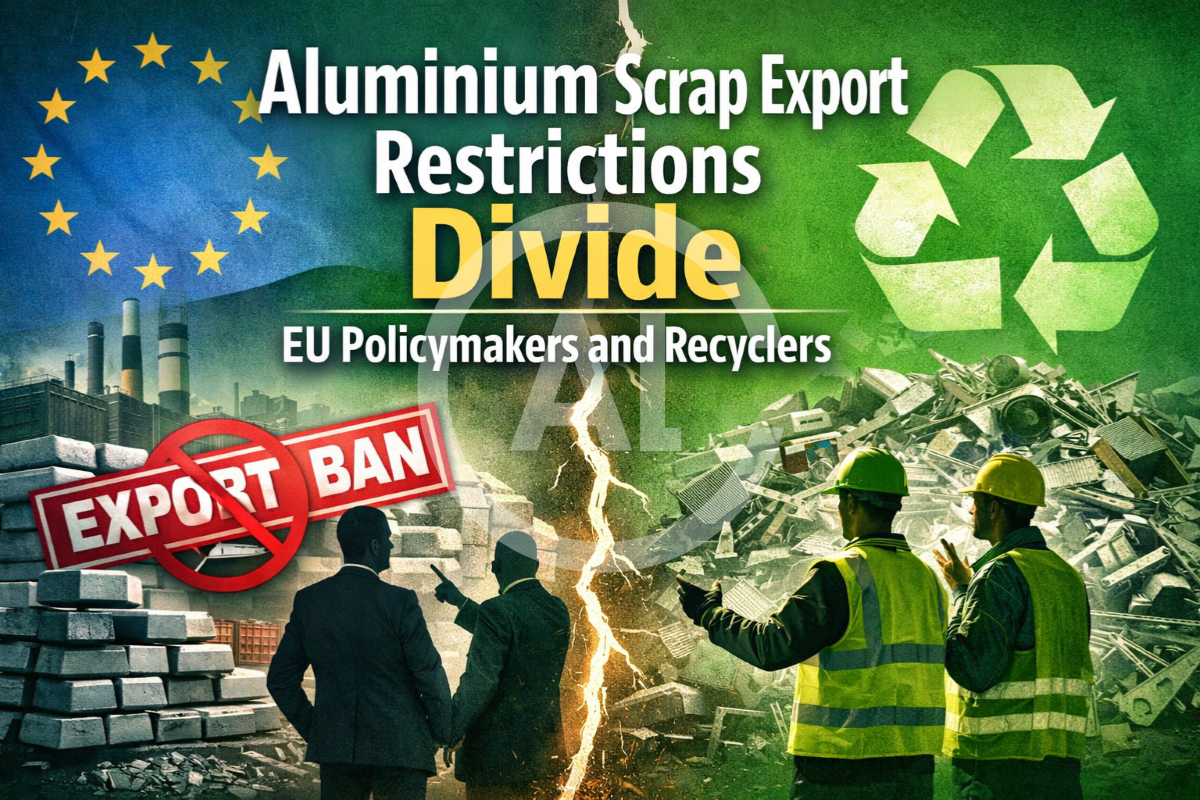
On Monday, a global recycling industry body informed that the European Commission's proposed limits on scrap aluminium exports are unnecessary and could actually harm the circular economy. Dating back to November, the Commission had implemented a restriction on these exports to keep the metal within the European Union (EU), ensuring that the domestic industry does not feel the weight of shortage.
The move that is creating buzz
The Commission’s move had been backed by the aluminium lobby, the European Aluminium, which mainly urged the policymakers to impose the export fees on the material. On the contrary, the Bureau of International Recycling (BIR), based out of Brussels, representing 37 national recycling federations, mentioned that the idea of an EU export ban or aluminium scrap trade restrictions is "neither necessary nor effective".
In feedback regarding this matter to the EU's public consultation, which went on till the end of January, BIR stated, "The EU already generates more aluminium scrap than can be absorbed domestically." Furthermore, the feedback included the discussion on the available data, which, according to BIR, "does not demonstrate structural 'scrap leakage' that would justify intervention."
Implication of the export restriction
Regarding the restrictions on the exports, BIR indicates that it would lead to oversupply in the EU with a lower price for the scrap. This would result in leaving the recyclers in a position which is economically unsustainable.
BIR adds, "This would ultimately reduce collection and recycling rates, increase the risk of unmanaged waste streams, and undermine the circular economy."
A proposed set of targeted measures concerning the aluminium scrap will soon be shared by the Commission in the second quarter of this year.
To know more about the global recycled aluminium industry 2026 outlook, book the report “Global ALuminium Industry Outlook 2026".
_0_0.png)
Spot primary aluminium prices decline for three consecutive days, with a marginal improvement in market demand
Next articleIndia: Imported aluminium scrap falls w-o-w on LME correction; domestic market stays supported amid tight supply
Grow with
AL Circle