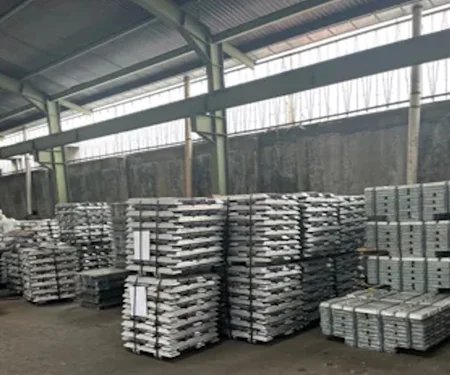
Aluminium producers seek import hike and rational raw materials cost
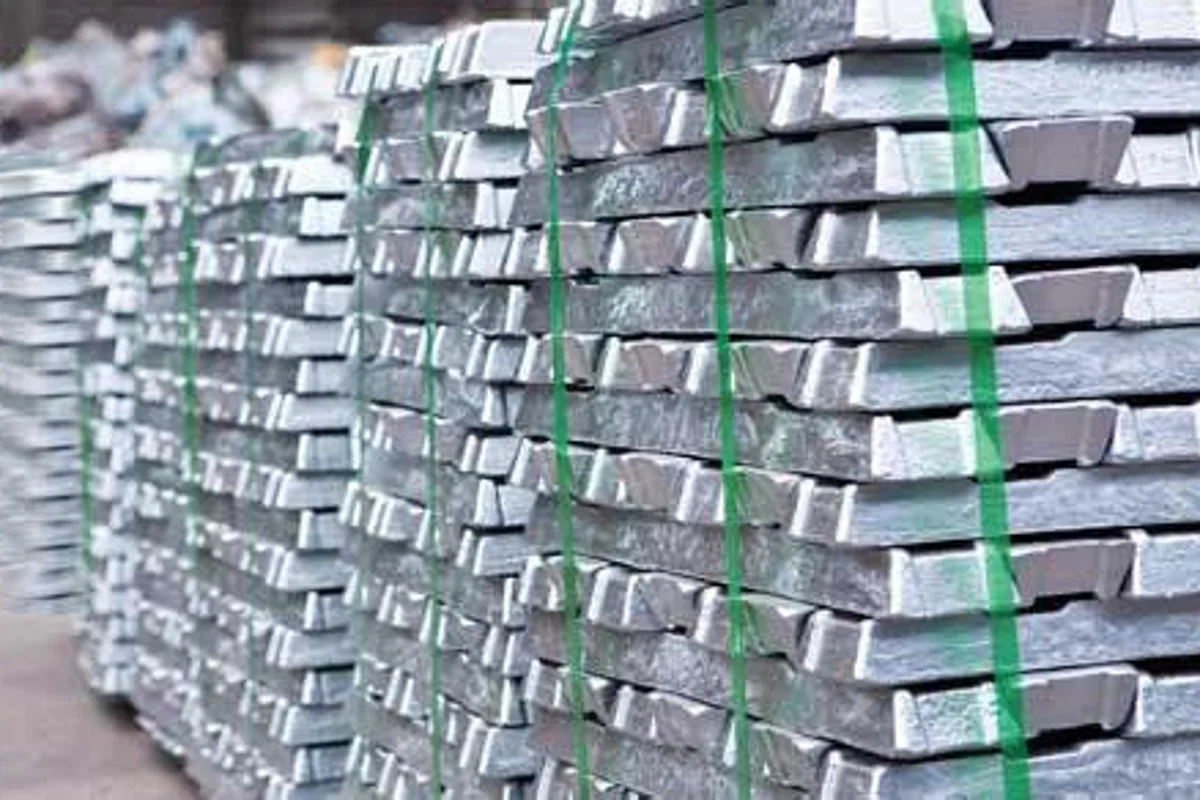
Ahead of the budget, aluminium producers in India have reportedly urged the government to increase import duty on primary aluminium, aluminium scrap, and downstream products. Besides, they have also sought steps from the government to rationalise the costs of raw materials.
Industry bodies such as the Aluminium Association of India (AAI) and FICCI have made the government aware of the fact that the rising aluminium imports, declining domestic market share, and rising production and logistic costs have taken a toll on the country's metal industry. Moreover, non-competitive energy costs and acute coal shortage are being found hitting the industry adversely, said Rahul Sharma, co-chairman of FICCI Committee on Mining and Minerals, in a press statement.
He also pointed out that the lack of policy measures is also responsible for the decline of the domestic aluminium industry. Thus, he urges the government to extend policy measures in line with what has been extended to the steel industry.
In a letter written to the Ministry of Mines, the AAI has asked for some relief in the form of increasing basic customs duty on aluminium products from 10 per cent to 12.5 per cent. The FICCI has also conveyed similar recommendations to the government.
“Restrictive measures by China, USA, and others to protect their indigenous markets from imports are making India more vulnerable as a dumping ground for primary metal, scrap and secondary products, adversely affecting the competitiveness of the domestic industry,” Sharma commented.
AAI in its communication to the Centre said that the role of aluminium in energy security, infrastructure, defense, aerospace, automobile, electricity, packaging, and consumer products makes it a sector of strategic importance.
Estimating aluminium demand to double to over 7 million tonnes in India in the next five years, the industry has invested over INR 1.2 lakh crore to ramp up its production capacity to 4 million tonnes per annum. The sector is one of the largest job creators with more than 8 lakh direct or indirect employment within the country.
LME aluminium continues downward trend; SHFE closed flat on weak fundamentals
Next articleNalco CMD receives ‘Global Indian Business Leader’ award
Grow with
AL Circle