Aluminium price surge reignites Australian smelters as Rio Tinto and Alcoa step up
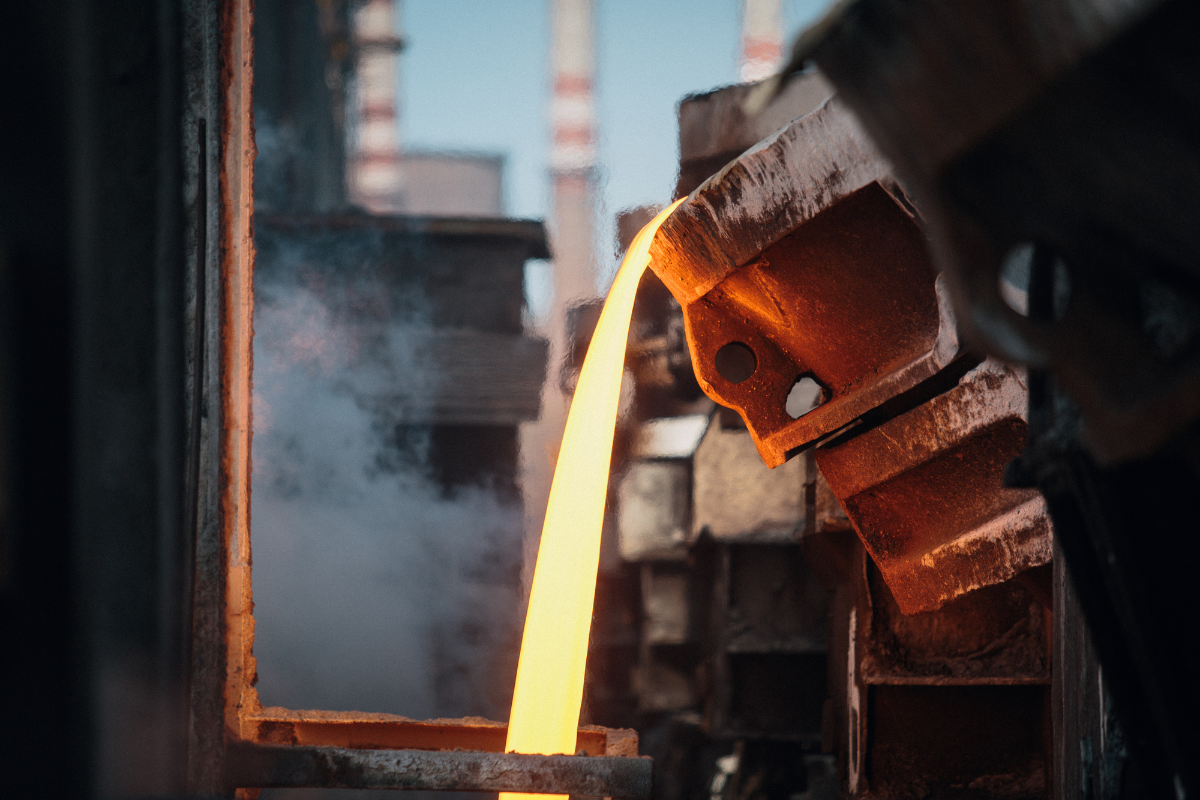
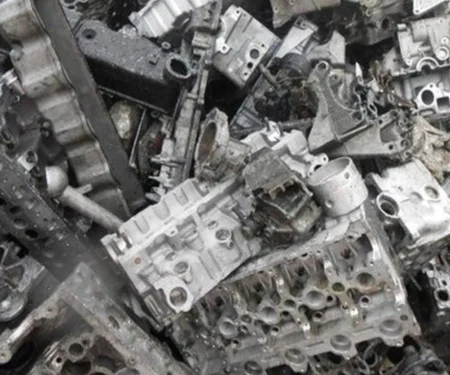
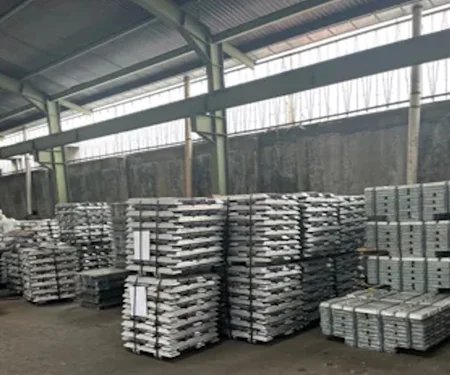
Stock image for referential purposes only
Amidst the soaring aluminium prices due to the Middle East supply disruption, the smelters in Australia are now bringing their previously closed operations back into form with the aim of gaining a better profit margin. Owing to this strategy, aluminium players like Alcoa and Rio Tinto are also working towards the restart. However, while this price surge is giving a boost to operations, it’s also revealing some significant underlying issues like rising energy costs and long-term sustainability challenges.
The rise in global aluminium prices has been sparked mainly because of the on-going geopolitical tension. But, to this, Australia's smelters are discovering that policy and power dynamics will shape how far this price surge goes.
Given the current Middle East supply disruption, which is pushing the aluminium price high, the aluminium producers in Australia are ramping up their operations. The ramp-up is possible because producers are benefiting from the improved margins gained after a period of global oversupply. But, there are certain structural challenges also occurring due to the price rally, which can create a significant impact on the overall production in the next decade.
Owing to this, key global aluminium players, like Rio Tinto and Alcoa, who are deemed to be at the forefront of this shift, are working to start the production online and re-evaluate their respective expansion plans in Queensland and Victoria.
As reported to The Australian Financial Review by Rio Tinto's aluminium head, Jérôme Pécresse, the Middle East disruption has taken away nearly 2.5 million tonnes of the global supply, creating a window for gaining a higher profit margin.
He added, "It’s a two-way street. We have an increase in costs, but the net result for profitability is positive."
For forward-thinking aluminium market insights amidst supply chain and price challenges, read "ALuminium LeaderSpeak 2026."
For this, an investment of a total of USD 2 billion will be received from the Queensland and Federal governments in March. The investment aims to boost the Boyne aluminium smelter, ensuring the long-term future aid of one of Australia’s largest aluminium operations.
With this investment, the firm will be sharing a certain percentage of the transmission and energy assets at the Boyne smelter. This way, the program is expected to unlock nearly USD 7.5 billion in investment for Queensland's energy grid.
Pécresse also concluded that the rising profit margin for the Australian smelters will provide confidence to the governments that the sector is worth supporting in the long run.
Don’t miss out- Buyers are looking for your products on our B2B platform
Alongside this, Alcoa Corporation reported its restarted potlines at its Portland smelter in Victoria. This project is also part of the broader strategy to link the ramp-up with that of new power arrangements and favourable pricing conditions.
Concerning the investors and policymakers, this current rally presents a real opportunity, but its longevity will hinge on Australia’s ability to turn these short-term price increases into lasting industrial capacity.
Check out the forecast of the global bauxite and alumina market till 2036, book the report “Global Bauxite & Alumina Market Forecast to 2036: Supply–Demand, Trade Flows & Price Outlook”
_0_0.png)
Canada sanctions $1.5B aid for the US tariff-stricken aluminium industry
Next articleLME aluminium cash surpasses $3,600/t; supply fears intensify with declining stocks
Grow with
AL Circle