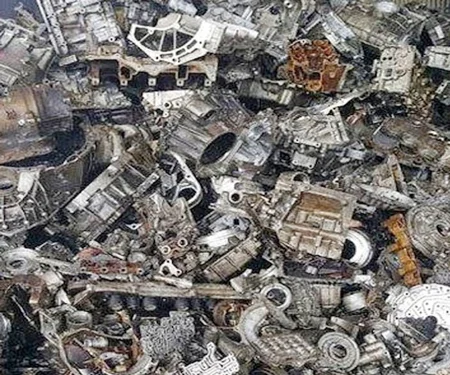
Aluminium price surge exposes policy gaps, squeezing India’s MSMEs
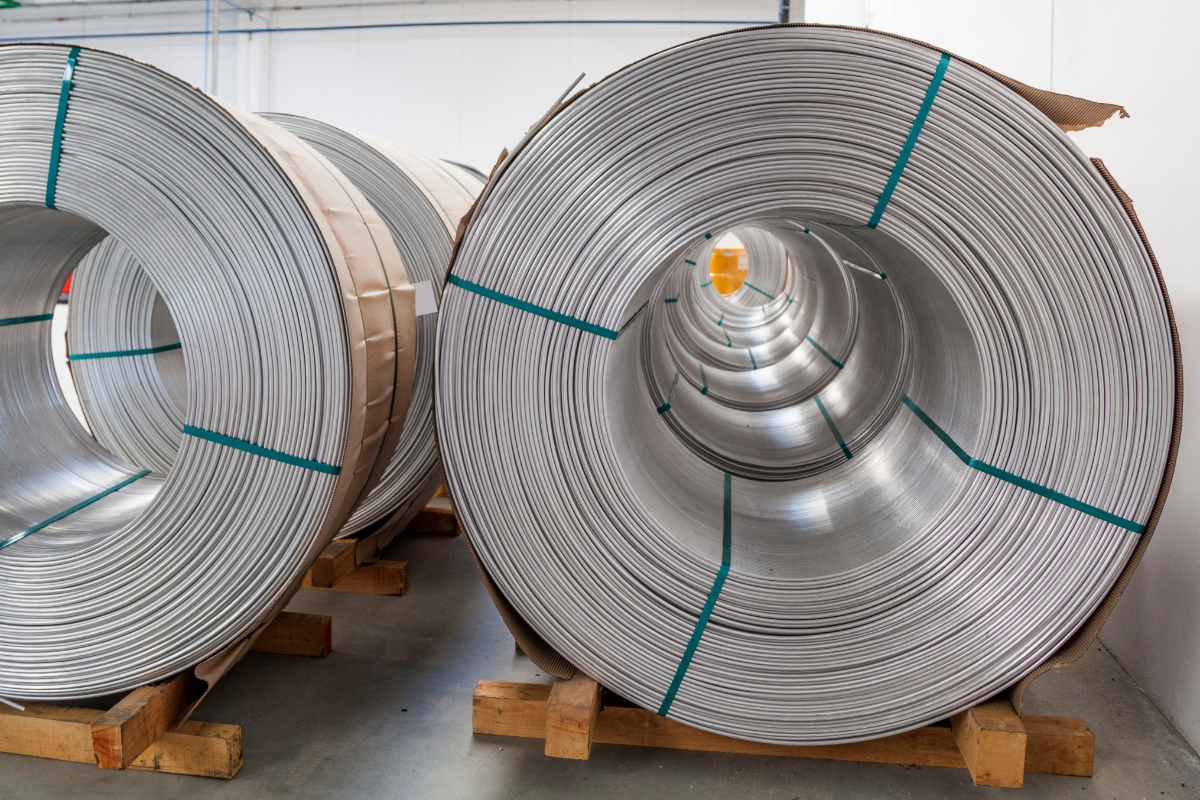
The ongoing Middle East conflict led to the London Metal Exchange (LME) aluminium prices soaring above USD 3,500 per tonne, with forecasts pointing to a potential rise to USD 4,000 by 2026. While the rally offers the primary aluminium producers a strong earnings opportunity, it is severely straining India’s downstream sector, specifically micro, small and medium enterprises (MSMEs).
Explore- Most accurate data to drive business decisions with Global ALuminium Industry Outlook 2026 across the value chain
Industry comparison: Primary aluminium vs MSME
India’s primary aluminium industry, with a capacity of 4.1 million tonnes, remains nearly 98 per cent operational and maintains margins of around 10 per cent. Yet, domestic supply is tightened because almost half of its produce is exported.
In contrast, about 3,500 downstream MSMEs, processing approximately 3.9 million tonnes of aluminium per year, are functioning at just 65 per cent capacity with approximately 5 per cent margins. A segment supporting almost one million jobs, its condition leaves a large workforce exposed to global price volatility.
A seminal structural challenge lies in India’s tariff system. The country imposes an 8.25 per cent import duty on primary aluminium, considerably higher than global benchmarks. This results in an additional raw material cost of USD 600 million (approx.) annually for domestic MSMEs. Meanwhile, finished aluminium products from ASEAN countries enter India duty-free. The duty structure becomes inverted, challenging local manufacturers.
At present, domestic aluminium prices are hovering around USD 2,892 per tonne, based on LME rates, premiums, and duties, placing further pressure on already thin margins in the downstream sector.
Don't miss out- Buyers are looking for your products on our B2B platform
Imbalance and outlook
The imbalance is also evident when we look at the employment distribution. While downstream industries contribute almost 90 per cent, upstream aluminium smelting or primary aluminium production accounts for only about 80,000 jobs, contributing 10 per cent of total industry employment.
Moreover, downstream manufacturing generates a considerably higher number of employments, such as 8 to 10 jobs for every INR 10 million (USD 106 thousand) investment, unlike the 2 to 3 jobs in primary smelting, reiterating its importance in India’s industrial ecosystem.
By 2030, aluminium demand in the Indian landscape is projected to rise from 5 million tonnes to 8.5 million tonnes and by 2047, to 28 million tonnes. In spite of that, per capita consumption remains low at 2.2 kilogrammes in comparison to the 11 kilogrammes of the global average, indicating scope for expansion, provided the downstream sector remains viable.
Aluminium plays a crucial role in sectors like renewable energy, electric vehicles (EVs), defence, aerospace and infrastructure. Surging input costs run the risk of undermining competitiveness across these strategic industries.
What is the solution?
According to industry stakeholders, reducing import duties on primary aluminium from 7.5 per cent to zero could lift India to global standards and ease cost pressures on MSMEs. Considering the strong financial position of primary aluminium producers, this step is unlikely to affect upstream profitability.
Additionally, any short-term loss in customs revenue could be offset by higher GST and corporate tax collections through a more competitive downstream sector.
A planned policy response, especially duty rationalisation, could help restore balance across the aluminium value chain, protect employment, while also reinforcing India’s long-term manufacturing and economic ambitions to realise its Viksit Bharat@2047 vision.
Must read: Key industry individuals share their thoughts on the trending topics

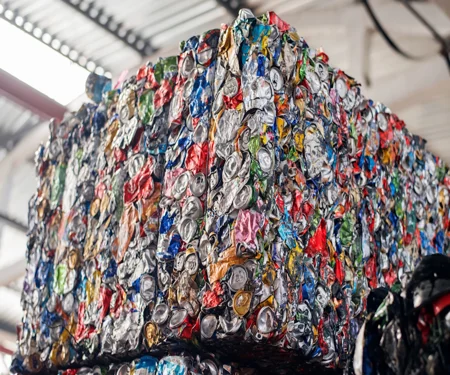
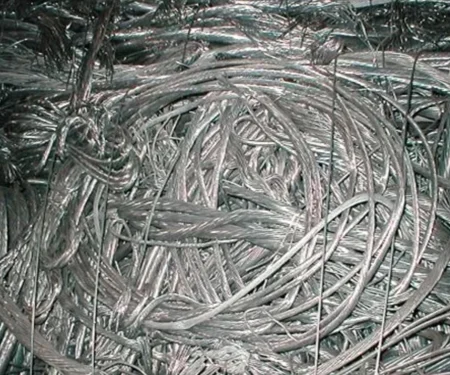
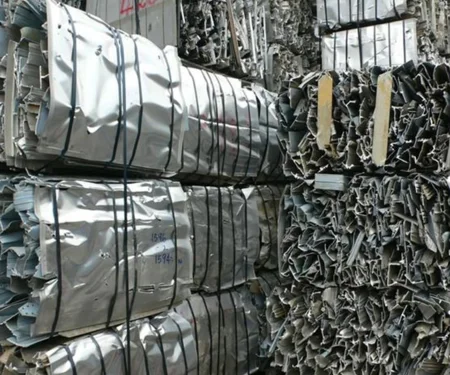
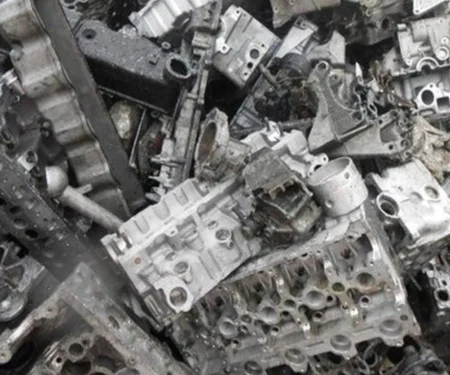
Image for referential purposes only.
Strained fuel supply and cost challenges worry the Indian aluminium extrusion sector
Next articleAMS Advanced Material limits aluminium price impact even during market volatility
Grow with
AL Circle