Aluminium billet inventory in China slips by 2,900 tonnes to close at 264,000 tonnes
The aluminium billet inventories in China decreased by 2,900 tonnes or 1.08% week-on-week across five major consumption areas. As a result, the inventories closed at 264,000 tonnes, as of Thursday, February 17.
Foshan's inventory declined the most by 8,700 tonnes or 6.45%, followed by Nanchang's stockpile, which fell by 6,300 tonnes or 25.71%. Because of the COVID epidemic in Guangxi, arrivals in south China were limited, resulting in contested logistics in Foshan. Meanwhile, the RCs rebounded, prompting in increased purchases over concerns about potential supply shortages. In Nanchang, the warehouses reported fewer arrivals, and shipments leaving the warehouses were equally slow. Shipments to other markets were also less than adequate since downstream manufacturing has not yet completely begun.
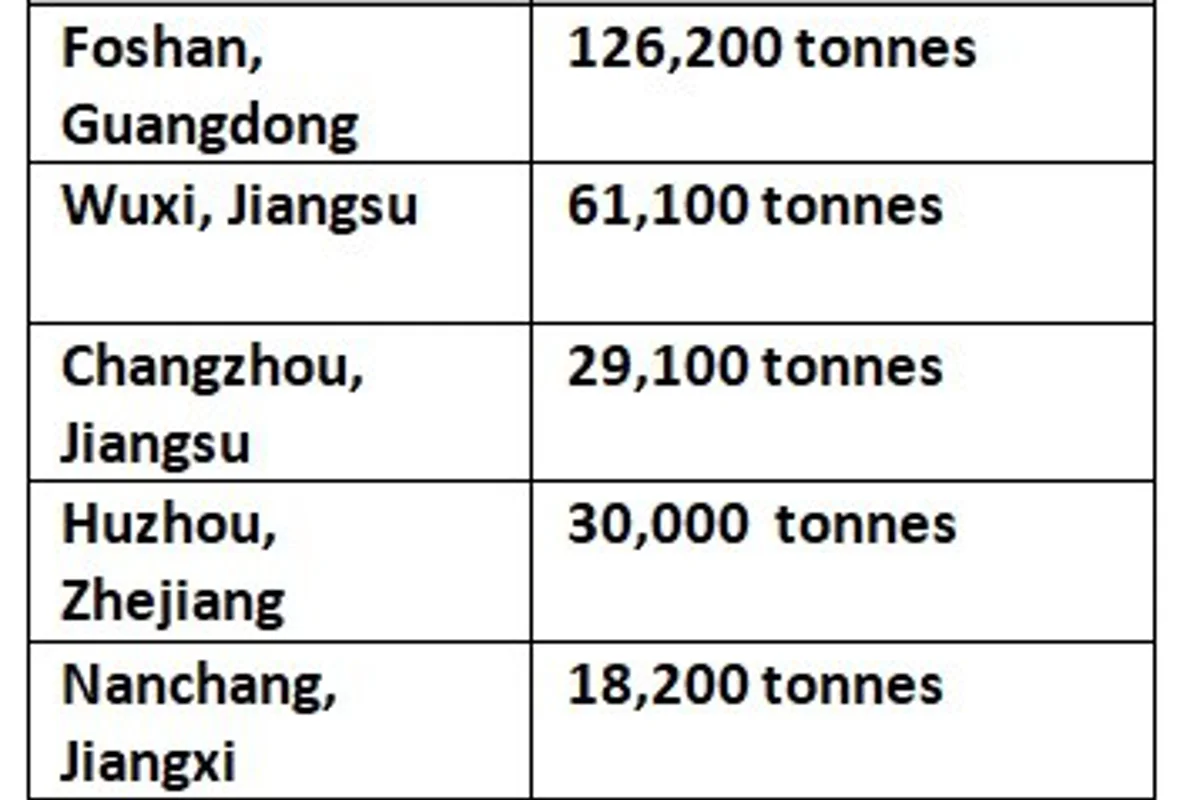
The chart below indicates the current status of aluminium billet inventories across China in more details:
In Foshan the aluminium inventories dropped by 8,700 tonnes this week to score at 126,200 tonnes. For the same day in Wuxi the aluminium inventories increased by 1,400 tonnes to stand at 61,100 tonnes.

In Changzhou the inventories moved up by 6,700 tonnes to peg at 29,100 tonnes. In Huzhou the inventories hiked by 4,000 tonnes to total at 30,000 tonnes. Only in Nanchang the inventories dipped by 6,300 tonnes to record at 18,200 tonnes.
EPIQ MECFOR ties new partnership with Taylor Northeast (TNE), a step closer to American clients
Next articleHydro Extrusion aluminium production factories in Italy receive ASI certifications
Grow with
AL Circle