Aluminium billet inventory in China plummets by 11.37% W-o-W to 119,100 tonnes
On Thursday, April 21, China’s aluminium billet inventories plunged by 11.37 percent W-o-W to stop at 119,100 tonnes. East China's transportation efficiency is unlikely to increase considerably in the near future, keeping stocks relatively steady. The peak season in south China drove destocking. As downstream purchasers stock up for the impending Labour Day vacation, overall inventories are projected to continue to drop.
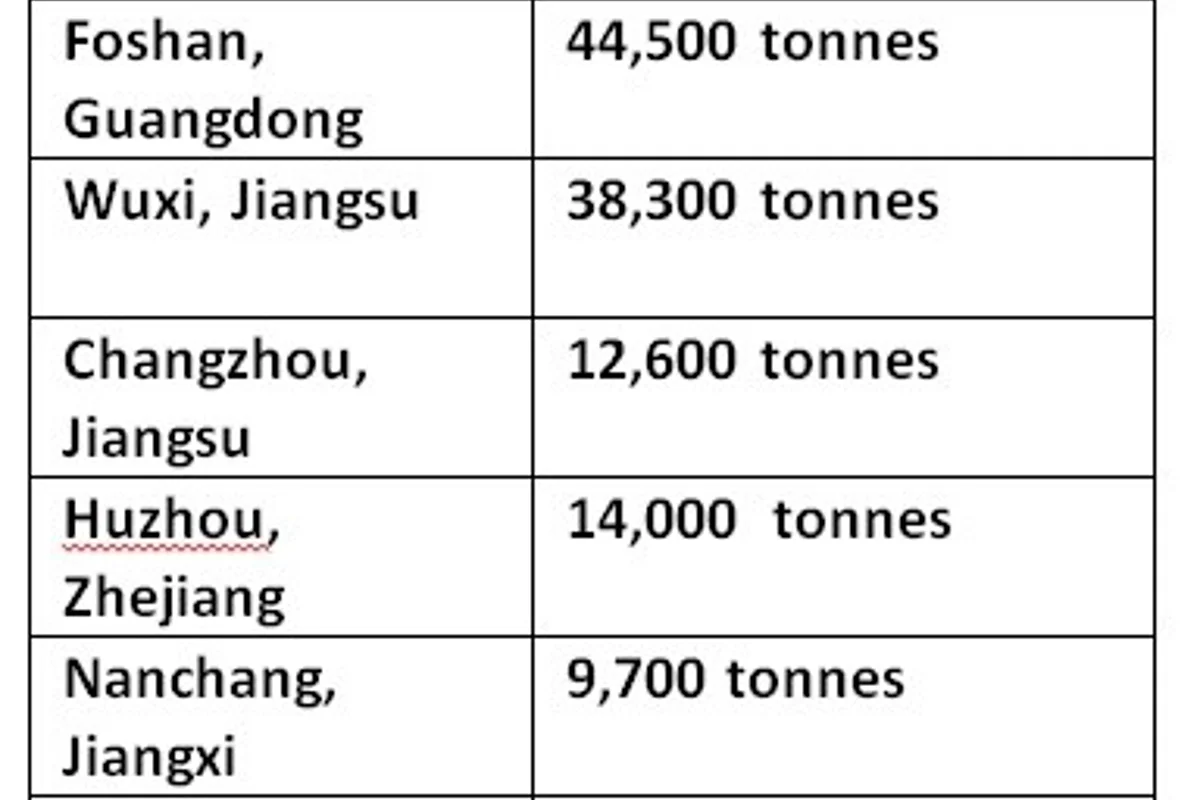
The chart below indicates the current status of aluminium billet inventories across China in more detail:
In Foshan the inventory plunged by 18,900 tonnes to come in at 44,500 tonnes. For the same day in Wuxi the inventory had fallen by 1,200 tonnes to stop at 38,300 tonnes.
In Changzhou the inventory slumped by 1,900 tonnes to total at 12,600 tonnes. In Huzhou the inventory remained restrained to peg at 14,000 tonnes. The aluminium billet inventory in Nanchang dropped by 5,300 tonnes to settle at 9,700 tonnes.

Only truck drivers with 48-hour negative nucleic acid test results were permitted to enter Foshan, although truckers from Guangxi and Yunnan were hesitant to do so for fear of not being able to return. Demand in east China was still stifled, and transportation efficiency had not fully recovered due to the pandemic's effects. In Nanchang, restrictive demand drove downstream purchases.
US aluminium plates, sheets and bars import for January’22 hikes by 33.17% Y-o-Y
Next articleChina experiences 50% inflation in unwrought aluminium alloy imports
Grow with
AL Circle