Aluminium-based EV battery hints at cold-weather breakthrough in early trials
Dalian Institute of Chemical Physics' researchers in China introduced a new EV battery technology promising to perform better in freezing temperatures than traditional lithium-ion batteries. The project includes a “liquid-solid” battery, which is deemed to maintain over 85 per cent of its capacity even after running for eight hours at a chilling −34°C (−29°F). Some encouraging results have been established when the early testing was conducted with industrial-grade drones.
In EVs, the liquid-solid technology has not been tested yet, but a team from the Chinese Academy of Sciences (CAS) is working in a related area. This educational firm is looking to experiment with a different type of EV battery, which is specifically designed to perform in sub-zero temperatures, using a production vehicle from Geely.
Must read: Key industry individuals share their thoughts on the trending topics
Experiment testing the theory
According to CarNewsChina, the researchers have successfully tested an aluminium-based wide-temperature lithium-ion battery in a Geely EX5 EV. After the testing, the firm claimed it can achieve over 92 per cent discharge efficiency at −25°C (−13°F) and can charge up to 90 per cent in nearly 20 minutes, even in extreme cold conditions. The electric SUV was kept idle in cold (chilling −25°C or −13°F) for 24 hours, which was later taken for a spin on regular city routes to see how the EV battery performed in real-world scenarios.
What prompted such research?
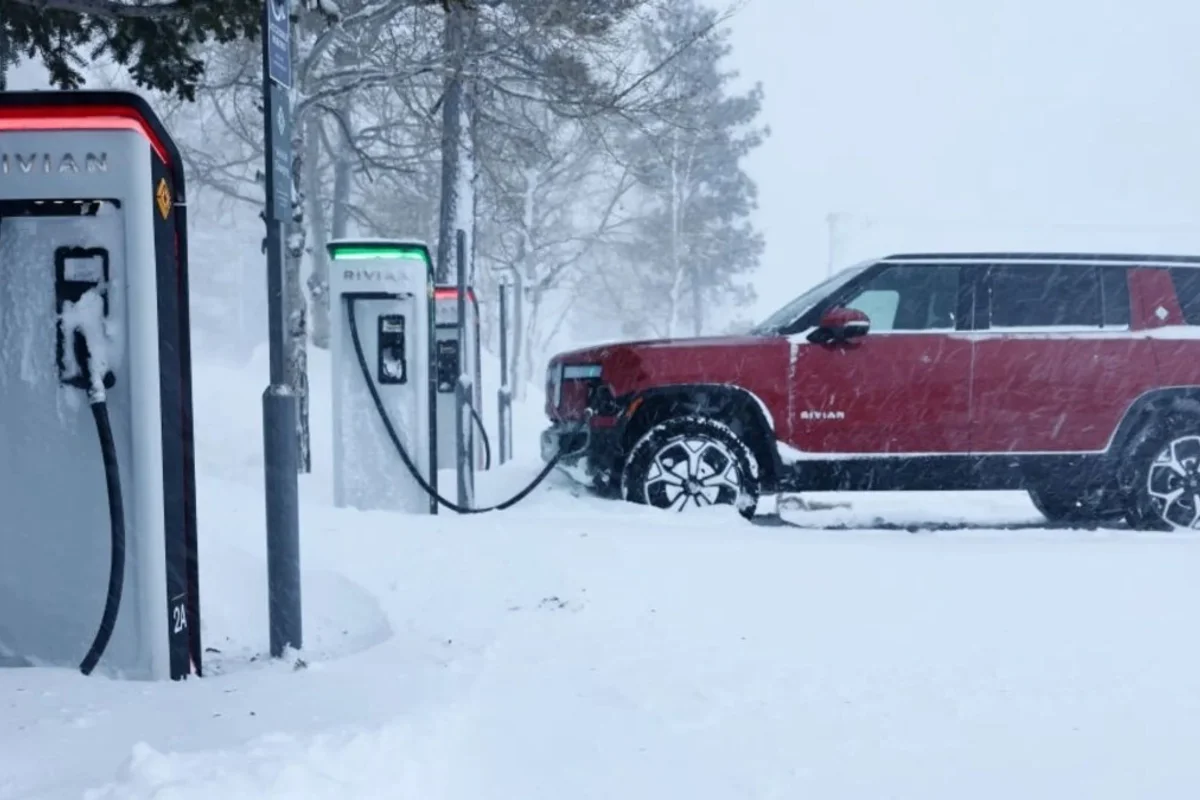
The weakest spot for conventional lithium-ion batteries has always been cold weather, with low temperatures for many EVs, including models from Tesla. This is more so because cold reduces range and slows down the charging speed unless the battery is carefully preconditioned. Even with advanced thermal management systems in place, performance, at times, typically declines as temperatures fall well below freezing.
The latest aluminium-anode design aids in tackling the stated problem by expanding the battery’s operating temperature range. While testing, it reportedly stayed functional over a wide temperature spectrum and effectively managed heat during rapid charging, without needing complicated insulation systems. If these findings hold up in large-scale production, it could mean less winter range anxiety and quicker charging times for drivers in colder areas.
Don’t miss out- Buyers are looking for your products on our B2B platform
The research altering EV performance in cold weathers
BYD and CATL are devoting their efforts to push ultra-fast charging technology forward. Both firms claimed that under perfect conditions, adding hundreds of kilometres of range in just a few minutes is now possible. But there is still a hurdle to overcome, which is to maintain the performance when temperatures drop below freezing.
After the EVs are introduced with this new aluminium-based battery, they could offer both quick charging and solid performance in cold weather as well. The researchers are still in the early days and more testing is needed before this technology hits the mainstream EV market. However, it’s exciting to see how quickly battery innovation is moving, especially as car manufacturers strive to bridge the gap between electric vehicles and traditional gas-powered cars in all kinds of weather.
To know more about the global primary aluminium industry 2026 outlook, book the report “Global ALuminium Industry Outlook 2026".
_0_0.png)
Leadership shift: Constellation Brands appoints Nicholas Fink as President & CEO
Next articleFrom Aluminium to Steel: Meiyume strengthens Its sustainable metal packaging strategy
Grow with
AL Circle