Alcoa-Hillside deal supports South Africa’s aluminium industry growth ambitions

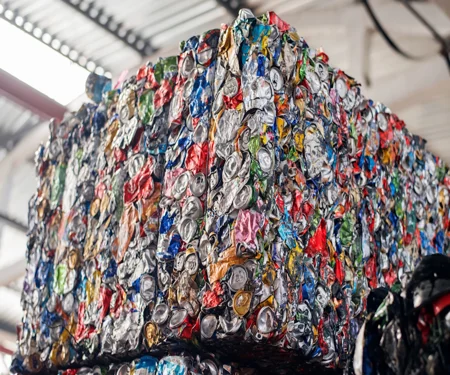
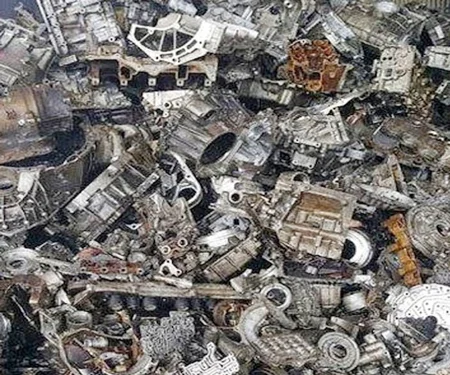
The image used in this article is generated with an AI tool and does not depict any real-time moment
Alcoa’s proposed acquisition of South32’s aluminium assets in Australia, Brazil and South Africa is an important development for the global aluminium industry, particularly for South Africa’s primary aluminium production.
Aluminium Federation of South Africa (AFSA) CEO, Muzi Manzi, said, “On July 1, South32 signed a binding conditional agreement to sell its aluminium value chain assets…to US-based Alcoa.” The deal was valued at up to USD 5.6 billion and included the Hillside Aluminium smelter in Richards Bay. The transaction is expected to close in the first half of 2027, subject to shareholder and regulatory approvals.
For South Africa, the key point is Hillside. The smelter is the country’s only primary aluminium smelter. Alcoa has said that its acquisition will keep Hillside operating despite the energy challenges facing the industry.
To know the production, demand and consumption forecasts on bauxite and alumina, explore the report "Global Bauxite & Alumina Market Forecast to 2036: Supply–Demand, Trade Flows & Price Outlook"
The deal would also bring Hillside into Alcoa’s international aluminium operations, giving the smelter access to a much larger global group across Australasia, the Americas and Africa.
Hillside is also important for South Africa’s downstream aluminium industry. Its liquid-metal deliveries to local producers such as Hulamin and Bingelela Alloys are being increased towards a target of 240 000 tonnes per year. This supports the production of more value-added aluminium products within the country.
Hulamin is also upgrading its S4 cold rolling mill, while its focus is shifting towards higher-value products such as can-body stock and automotive sheet. Wispeco remains an important player in the extrusion segment, supplying aluminium products for architectural, industrial, solar and transport applications.
South Africa’s aluminium position
According to Manzi, South Africa has several advantages in aluminium production, including the deep-water port at Richards Bay, a large primary smelter and an established downstream industry.
He said, “The local industry is also trying to reposition itself as a regional beneficiation hub under the African Continental Free Trade Area Agreement” The aim is to supply more semi-fabricated and finished aluminium products to neighbouring markets, particularly for automotive, construction, packaging and infrastructure.
Explore primary aluminium suppliers, product listings and trade opportunities on AL Biz
However, energy remains one of the biggest challenges. Hillside currently relies on a coal-heavy electricity grid, giving it relatively high Scope 2 emissions compared with many global producers. This makes access to lower-carbon electricity increasingly important for the smelter’s future competitiveness.
South32 and Eskom said in April that they were in “advanced discussions” on a new long-term electricity solution for Hillside ahead of the existing agreement expiring in 2031. The discussions include the possibility of a lower-carbon pathway supported by renewable energy.
Focus on growth and recycling
South Africa’s aluminium industry is also looking at greater use of renewable energy, recycling and improved production technologies. Better carbon tracking and traceability are becoming increasingly important as international markets introduce stricter environmental requirements.
At the same time, local producers are working to manage high input costs and infrastructure challenges by improving efficiency and restructuring operations.
The government is also considering changes to electricity pricing for energy-intensive industries. More competitive and reliable electricity could help South Africa retain existing aluminium production and potentially attract further investment in primary and secondary aluminium.
Unlock key insights from leading companies and experts across the aluminium ecosystem with our e-Magazine - Mine to Market: Aluminium Producers & Manufacturers 2026
“We are designing a solution for this industry and, when it works – not if – we will roll out the template across the country,” said Electricity and Energy Minister Dr Kgosientsho Ramokgopa.
Additionally, aligned with the South African Aluminium Industry Master Plan, the aluminium industry is estimated to support around 17,400 direct and 43,300 indirect jobs in 2026. Packaging is also a key demand driver, with the South African metal packaging market expected to grow from USD 1.06 billion in 2026 to USD 1.27 billion by 2031, largely driven by beverage cans.
Vedanta Aluminium eyes next growth phase on higher volumes and lower costs
Next articleEGA’s Al Taweelah smelter restoration reaches 25% milestone, full output targeted in Q1 2027
Grow with
AL Circle