AGI Greenpac bets $144.6 million on aluminium cans, signals strategic shift
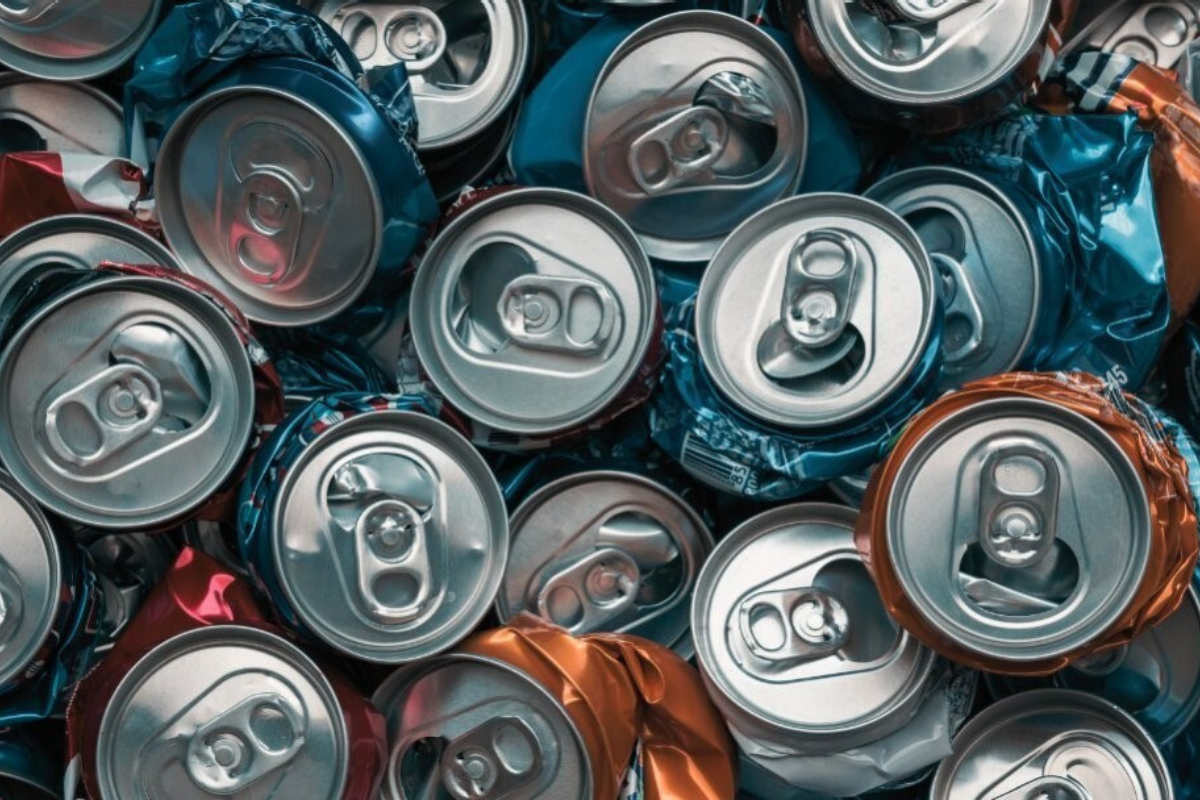
A packaging solution provider in India, AGI Greenpac, is now set to enter the high-growth aluminium can market. The firm will be investing nearly INR 1,200 crore (USD 144.6 million) for setting up the new facility in Uttar Pradesh. The operations will commence by October 2027.
As shared with Packaging South Asia by the CEO of AGI Greenpac, Rajesh Khosla, this expansion marks a major milestone for the firm. This is because not only to diversify the revenue system but also to position themselves in meeting the rising demand from the beverage and beer sectors for developing sustainable metal packaging.
The firm, at the same time, has also invested INR 700 crore (USD 84 million) for creating a new speciality glass manufacturing plant in Madhya Pradesh. The facility will be focusing on the high-value markets like cosmetics and perfumes, and will be leveraging its existing know-how in speciality glass for pharmaceuticals and premium spirits. The commencement of the facility’s commercial production is set to begin within the next 24 months, starting from February 2026.
The expansion includes the extension of the firm's current glass containers and PET bottles, creating a well-rounded multi-substrate offering. The firm's CEO stated that the Indian packaging manufacturers, currently, are facing difficult situations due to the rising raw material and energy costs. These prices are rising because of global inflation and the need to invest in upholding sustainability.
He further emphasised that the market is still holding strong and it should not see sustainability as just an added expense. It’s becoming a key factor in boosting operational efficiency and ensuring long-term competitiveness.
On who will absorb the cost of sustainability, he remarked, “Packaging manufacturers will absorb a significant part of it through process optimisation, energy efficiency, higher cullet usage and lightweighting. These will reduce operating costs over time. Brands, on the other hand, will increasingly investing sustainable packaging. And finally, consumers ‘may absorb a marginal premium but only when sustainability is backed by visible values such as better design, recyclability and responsible sourcing.”
The manufacturing landscape is deemed revolutionary because of the inclusion of technologies, especially within the packaging, where cutting-edge systems are redefining essential processes. Moreover, the manufacturers are trying to incorporate automated inspection systems, real-time defect detection, precise batch coding and digital monitoring platforms for supporting data-driven quality control. Within the production line, the inclusion of smart manufacturing and Industry 4.0 is being done to make operations more connected, efficient, and responsive than ever before.
For cutting down on manual tasks, reducing the chances of human errors and maintaining consistent production quality, including automation, is important. Incorporation of automated inspection and monitoring systems, identification of defects and stopping faulty products from making their way into the supply chain is possible. Additionally, these systems can create organised digital records at every level, aiding in boosting compliance and accountability in operations.
Must read: Key industry individuals share their thoughts on the trending topics
Manufacturers are now able to monitor their products closely with greater precision because of the advanced batch coding, serialised marking and digital tracking system. This is possible because these tools create data trails and, at the same time, boost transparency and quick identification, and address supply chain issues.
These capabilities are important for increasing counterfeiting threats, particularly in the pharmaceutical and luxury goods sectors. Within these sectors, the stakes for consumer safety and brand trust are incredibly high. Concerning the pharmaceutical packaging, aligning with the ISO 15378 standards is vital for strengthening the approach by weaving good manufacturing practices into the production process.
Khosla mentioned, "Consumer awareness is at an all-time high, and expectations have grown to encompass much more than just the product itself. Nowadays, consumers are concerned about the entire lifecycle of packaging — from its design and functionality to its environmental impact and how easy it is to dispose of. They want packaging that is not only high-quality and convenient but also sustainable and responsibly managed after it’s used."
Indian consumers are willing to pay a premium of 1–20 per cent for eco-friendly packaging and there is a growing demand for transparency about where materials come from, according to AGI Greenpac.
Don’t miss out- Buyers are looking for your products on our B2B platform
Owing to this, Rajesh Khosla noted, “We’re witnessing a clear trend towards premiumization in sectors like cosmetics, pharmaceuticals, and spirits, where consumers link weight, clarity, and sustainability with luxury. This is where we make a significant impact with our wide range of offerings, including glass packaging, PET packaging, and security caps and closures.”
Within the firm's recent reporting cycle, it has processed over 200 thousand tonnes of cullet, showing its commitment to reducing reliance on virgin raw materials and enhancing its long-term resource security.
Additionally, with seven manufacturing plants and a glass production capacity exceeding 2 thousand tonnes per day, the firm is developing capabilities in substrates which will fit the changing industrial landscape and the increasing focus on circular materials.
To know more about the global aluminium packaging industry forecast till 2030, book the report “ALuminium in Packaging: Consumer Trends and Market Dynamics”
_0_0.png)
Norton patents Manx R in India with aluminium frame; V4 engine launch likely by end-2026
Next articleCanada is not worried about slow trade talks: aluminium tariffs and China deal seen as no risk to USMCA
Grow with
AL Circle