A tale of the UK’s last smelter: Tariff distortion, premium arbitrage and the 48,000-tonne pivot
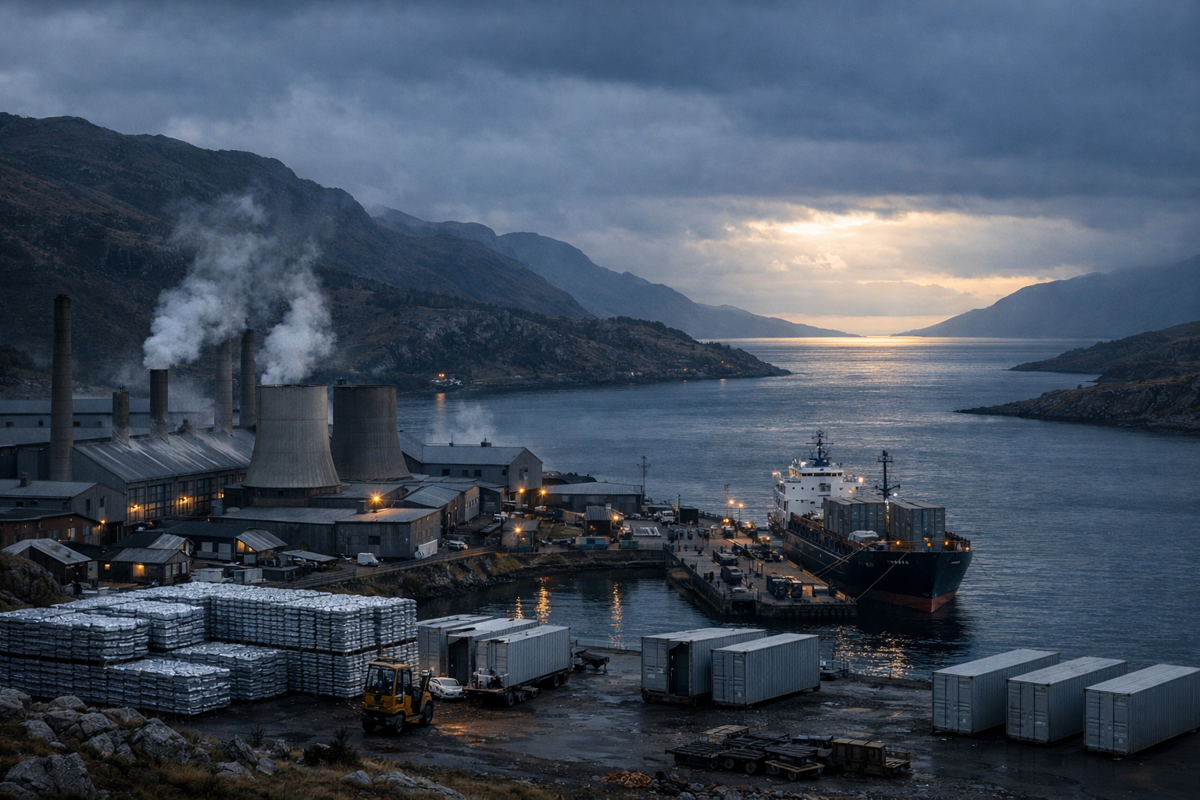
The UK’s last remaining primary aluminium smelter has just demonstrated how tariff asymmetry reshapes global metal flows faster than any policy white paper ever could.
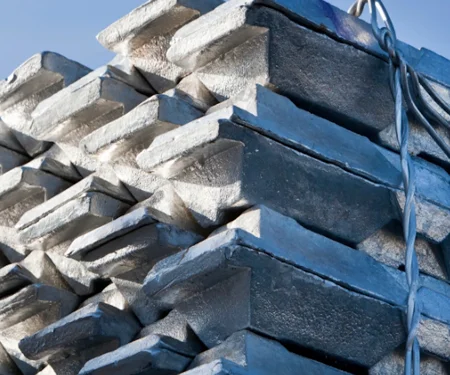
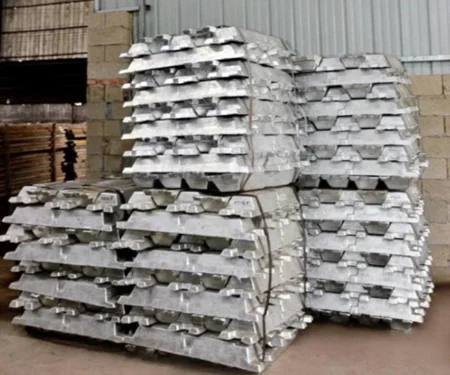
Alvance British Aluminium, operating out of Lochaber since 1929, has begun exporting to the United States for the first time in its history, diverting roughly half of its 48,000 tonnes per annum output across the Atlantic. The trigger is straightforward: tariff differentials under the US Section 232 regime.
UK-origin aluminium faces a 25 per cent duty, while material from Canada and several other suppliers is subject to a 50 per cent tariff. That 25-point spread is not marginal, it is rather a price wedge.
In a tariff-distorted market, the landed US price is no longer a simple function of LME plus freight. It becomes LME plus an inflated Midwest premium shaped by restricted supply. If the premium expansion exceeds the 25 per cent duty burden, UK metal clears at a stronger netback than it would in Europe or the domestic market. According to the company’s Managing Director, Tom Uppington, that is precisely what has occurred: the premium uplift more than offsets the tariff cost.
Don't miss out- Buyers are looking for your products on our B2B platform
This is classic trade diversion
Canadian supply becomes less competitive. US buyers absorb higher premiums. UK producers gain a relative advantage without adding capacity.
The smelter initially tested logistics with a 1,000-tonne shipment last summer before scaling up this year to approximately half of annual output. For a plant of this scale, that is a material reallocation of flow.
The development is noteworthy for three reasons
First, the UK has almost entirely exited primary aluminium production over the past two decades. Sustaining even a 48,000-tonne-per-annum hydro-powered operation is industrially symbolic and politically sensitive. The site, acquired by GFG Alliance in 2016, runs on captive hydroelectricity, giving it a relatively low-carbon profile compared with coal-based smelters.
Higher US realisations may help stabilise operations that would otherwise struggle against European energy costs.
Second, this episode underscores how protectionism redistributes margins rather than eliminating imports. The United States continues to import aluminium; it simply does so at a higher all-in price and from a reshuffled supplier base. The economic burden is embedded in the premium.
Third, the advantage is policy-contingent. The article notes that the US Supreme Court struck down the earlier global tariff framework, prompting a revised 10 per cent levy that was subsequently increased to 15 per cent under alternative legal authority, subject to a 150-day limit before Congressional approval. If the 50 per cent tariff on Canada is softened, or if the UK differential narrows, the arbitrage could evaporate quickly.
For the global aluminium value-chain 2026 outlook, book our exclusive report “Global ALuminium Industry Outlook 2026"
In short
This is not a competitiveness breakthrough for UK aluminium. It is a window created by tariff geometry.
For now, the geometry favours Lochaber. But what happens after six months from now will depend little on smelting efficiency and a lot on Washington’s legal footing.

Century Aluminum rallies to a yearly peak with earning stability
Next articleJapan-focused aluminium premiums up by 13-28% amid tight supply and low global inventories
Grow with
AL Circle