2023 marks an electrifying milestone: Almost 50% of EU new car sales go green with electrified models
Let's examine the information provided by ACEA.
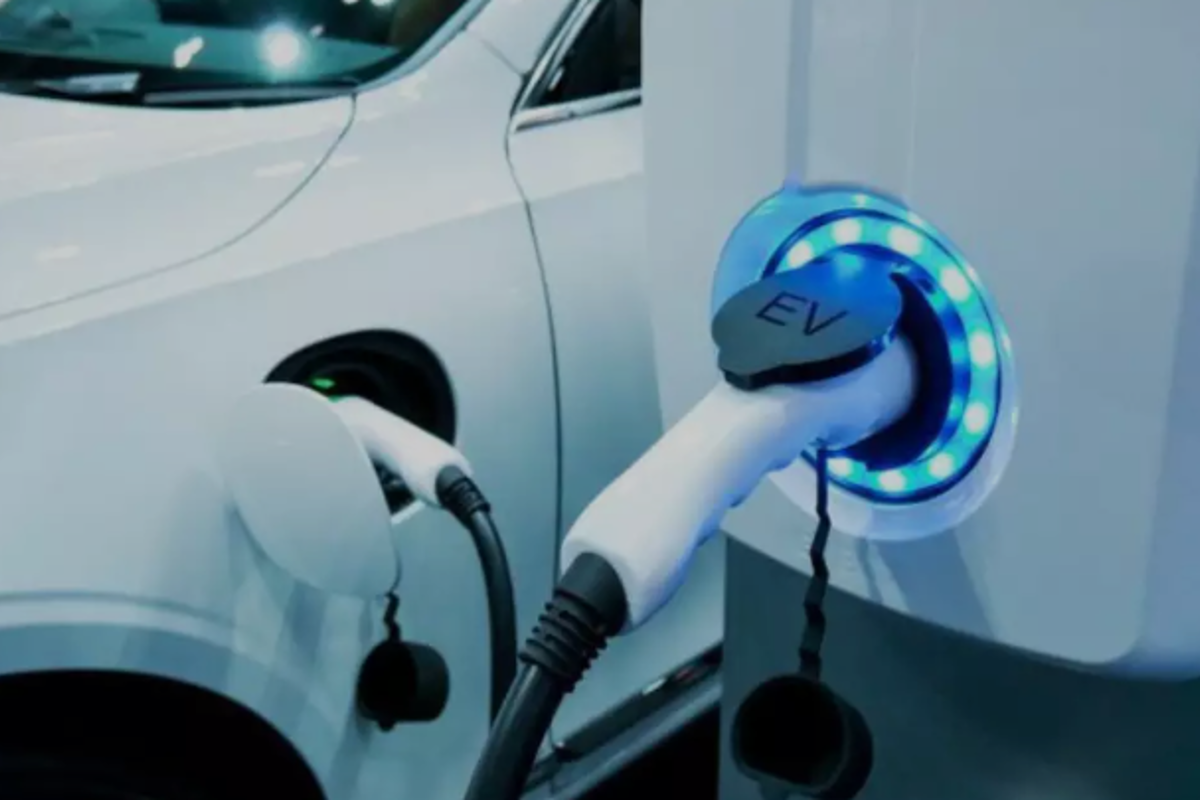
As of November 2023, electrified vehicles, including fully electric models, plug-in hybrids, or full hybrids, constituted more than 47.6 per cent of all new passenger car registrations in the European Union. This marks an increase from 43 per cent during the same period last year, as reported by ACEA.
In November, new car registrations in the EU saw a 6.7 per cent increase, marking the 16th consecutive month of growth. Electric vehicle registrations experienced a significant year-on-year rise of 13.3 per cent. Petrol car registrations grew by 4.2 per cent, whereas diesel registrations declined by 10.3 per cent, according to the provided data.
The number of fully electric car registrations increased by 16.4 per cent compared to the previous year, reaching 144,378 vehicles. However, in Germany, which is the largest electric vehicle market in Europe, registrations experienced a decline of 22.5 per cent, totalling 44,942 vehicles.
In the thriving electric vehicle market, consumers sustained a strong preference for hybrid-electric vehicles, experiencing a notable year-on-year increase of 28.7 per cent. Conversely, there was a decline in demand for plug-in hybrids, showing a decrease of 22.1 per cent.
The registrations of hybrid-electric cars in Germany, France, and Italy collectively surpassed 1.5 million vehicles year-to-date, constituting a significant portion of the nearly 2.5 million total vehicles registered in the European Union.
EV demand is not progressing as expected
Despite the increasing popularity of electric vehicles, the ACEA stated in December that the European electric vehicle sector faces the risk of lagging behind its counterparts in other regions. This concern arises due to China's dominance in the supply chain and the incentives provided to U.S. automakers. Some manufacturers and analysts have also pointed to a stagnation in the demand for electric vehicles in recent months. In October, Volkswagen, Europe's largest carmaker, noted that the demand for EVs was not progressing as anticipated. Additionally, luxury automaker Mercedes-Benz cautioned about a challenging EV market characterized by significant price reductions and supply chain challenges.
Vehicles registrations in EU
In November, Volkswagen and Renault experienced an 11.4 per cent and 6.1 per cent increase in registrations, respectively, according to the ACEA. Conversely, Stellantis saw a 7.3 per cent decline in registrations during the same period.
Tesla witnessed a remarkable surge of nearly 45 per cent in November, constituting almost 22 per cent of fully electric car registrations across the European Union.
The overall number of newly registered vehicles in November across the EU, Britain, and the European Free Trade Association (EFTA) saw a 6 per cent growth, reaching 1.08 million vehicles, as reported by the ACEA.
A recent study commissioned by European Aluminium and conducted by Ducker Carlisle
According to the study, the trend towards light-weighting and electrification in the automotive industry is driving a significant increase in aluminium content. Electric vehicles, in particular, are contributing to this growth, with a battery electric vehicle (BEV) produced in Europe in 2022 containing 283 kg of aluminium on average compared to just 169 kg in a petrol or diesel ICE-only car. The average aluminium content in an electric vehicle is expected to increase further by 9.5%, to 310 kg, between 2022 and 2026. This tremendous growth in aluminium usage in BEVs is mainly attributed to its use in e-drive housing, battery pack housings, ballistic battery protection, and cooling plates. Additionally, aluminium plays a crucial role in electromobility infrastructure, including power cables and charging stations. The unique recyclability of aluminium also safeguards that the material put in cars today will be ready to be used again and again after the car has reached its end of life.
U.S. Navy contracts aluminium shipbuilder Austal to build three medical ships for $1.3 billion
Next articleViva Composite Panel elevates industry presence by joining AL Biz
Grow with
AL Circle