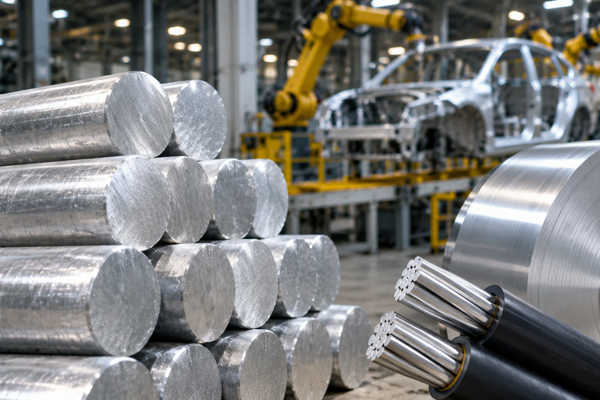
India's aluminium market is expected to record stronger demand in the second quarter of FY2026-27, with consumption estimated to reach 1.735 million tonnes, a 6 per cent increase from the corresponding period last year, according to Hindalco Industries Ltd. Growth is being driven primarily by demand from the automotive and electrical sectors, highlighting the expanding role of aluminium across key industrial applications. Hindalco's Q2 FY2027 presentation estimates Indian aluminium demand at 1.735 million tonnes, compared with 1.643 million tonnes in Q2 FY2026. The latest estimate also represents a recovery from the 1.427 million tonnes recorded in Q1 FY2027. Domestic aluminium supply and imports increase Domestic primary aluminium supply is estimated at 735,000 tonnes in Q2 FY2027,...
Sampat Aluminium Limited reported a net profit of INR 47.4 million (USD 502,121) for the half year ended September 30, 2026, supported by a non-recurring gain of INR 57.1 million (USD 604,875) from the sale of old plant and machinery. The company's revenue from operations increased to INR 1,250.9 million (USD 13.25 million) from INR 811.4 million (USD 8.60 million) in the corresponding period last year. However, its profit before exceptional items and tax declined significantly, highlighting the impact of the machinery sale on reported earnings. The company's profit before exceptional items and tax stood at INR 5.887 million (USD 62,363), compared with INR 62.5 million (USD 662,079) in the first half of the previous financial year. After including the exceptional gain, profit before tax...
Grow with
AL Circle
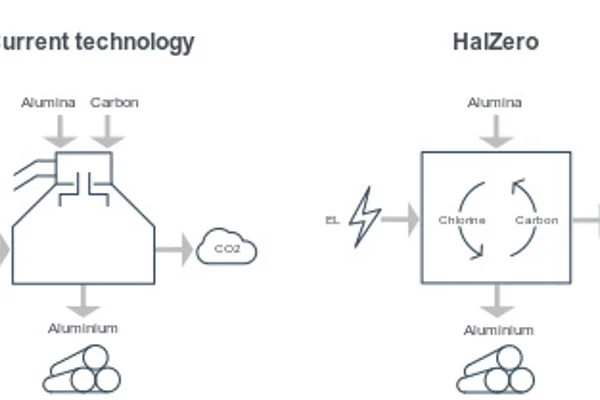
Enova, a state enterprise owned by the Norwegian Ministry of Climate and Environment, has awarded Hydro close to NOK 82 million for a feasibility study for the next phase in the development of HalZero, Hydro’s technology for aluminium production with net-zero CO2 emissions. The funding from Enova will be used for concept development and planning of an industrial pilot facility (Industrial Concept Pilot, ICP), laying the foundation for further development and scaling of the technology. “The support from Enova enables us to further develop the plans for the next phase of HalZero. This is an important step in developing and scaling the technology toward potential deployment at industrial scale,” says Hanne Simensen, Executive Vice President of Hydro Aluminium Metal. HalZero is Hydro’s...
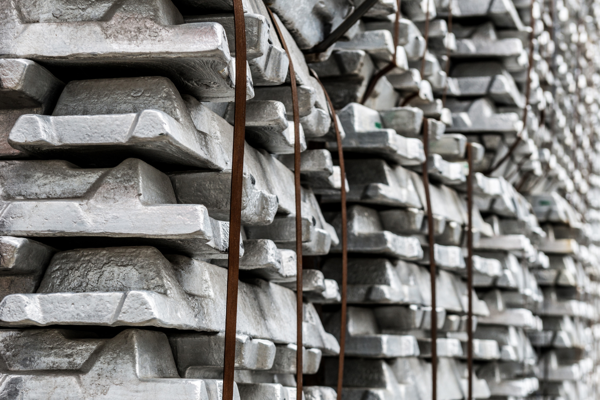
The London Metal Exchange (LME) aluminium price chart continued to report gains over the October 15 close across the pricing segment on the October 19 trading session. Near-term and long-term contracts, however, registered an eased trend. The LME aluminium cash bid jumped from USD 3,013 per tonne to USD 3,018.5 per tonne, rising 0.18 per cent. The offer price moved from USD 3,014 per tonne to USD 3,019 per tonne, up 0.17 per cent day-on-day. Explore- Most comprehensive and forward-looking industry-focused report — Global Bauxite & Alumina Market Forecast to 2036: Supply–Demand, Trade Flows & Price Outlook The LME aluminium three-month bid contracted by 0.05 per cent to USD 3,010 per tonne from USD 3,011.5 per tonne. Meanwhile, the offer price reported no change from USD 3,012 per tonne....
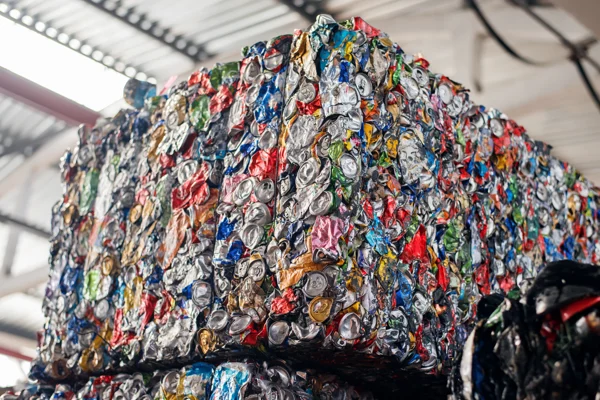
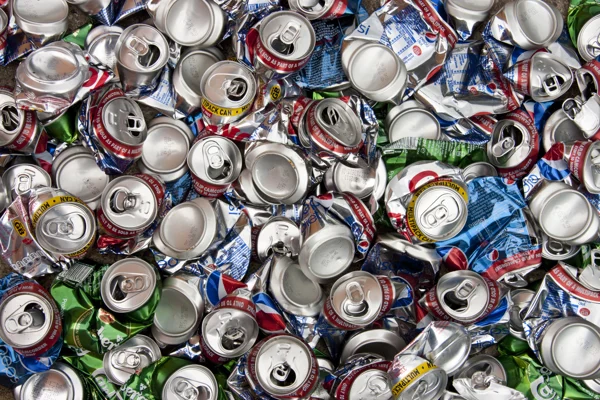
The US aluminium used beverage can (UBC) scrap price benchmark tracked by Argus recorded a mixed performance over the third quarter of 2026, declining in July before rising in August and September. The monthly average increased from USD 2,322.89 per tonne in July to USD 2,491.22 per tonne in August and USD 2,602.51 per tonne in September, indicating a sustained recovery in the benchmark over the three months. July: Prices decline despite a high opening The benchmark began July at USD 2,464.98 per tonne on July 1, before falling sharply to USD 2,270.76 per tonne on July 3. The price remained at that level on July 2 and July 6, the lowest recorded price for the month. It subsequently recovered gradually, reaching USD 2,319.86 per tonne on July 10 and USD 2,328.63 per tonne on July 22....
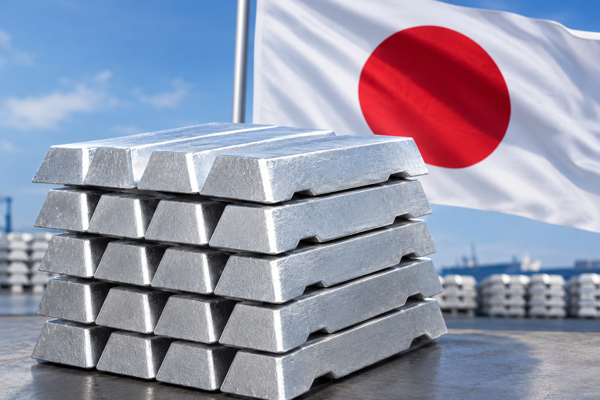
Japan’s quarterly aluminium premiums, known as Main Japanese Port (MJP) premiums, rose sharply in the first nine months of 2026 before falling ahead of the fourth quarter. The premium increased from USD 195 per tonne in January-March to USD 350-353 per tonne in April-June. It then reached USD 395 per tonne in July-September, its highest level in 11 years, as supply remained tight and geopolitical tensions affected the market. The Q1 2026 settlement was around 127 per cent higher than the USD 86 per tonne recorded in Q4 2025. The premium rose by another 79-81 per cent in Q2 and increased by a further 12-13 per cent in Q3. Tight aluminium supplies, lower inventories and competition from buyers in Europe and the US have contributed to the rise. Premiums in both markets have also remained...
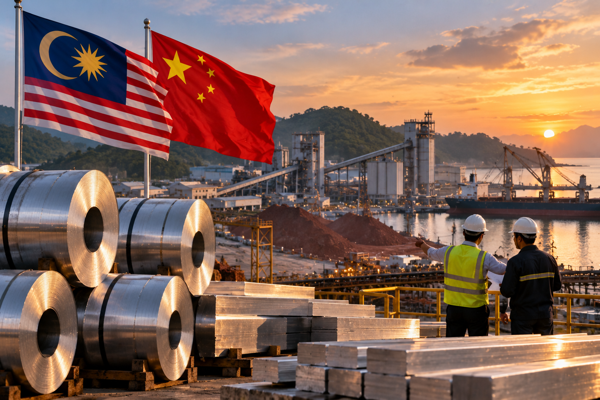
Malaysia could attract a significant new investment in aluminium manufacturing, with Chinese investors assessing potential sites in Sarawak as they look to expand their international business. Samalaju Industrial Park in Bintulu is among the locations under consideration, Deputy Prime Minister Datuk Seri Dr Ahmad Zahid Hamidi said. The proposed facilities could serve downstream industries, including construction and automotive manufacturing, while helping Malaysian-made products reach a wider customer base. According to Ahmad Zahid, the prospective investors would bring established market networks that could support the expansion of Malaysia’s exports. To facilitate the proposal, Ahmad Zahid said he would approach the Malaysian Investment Development Authority (MIDA) and the Investment,...
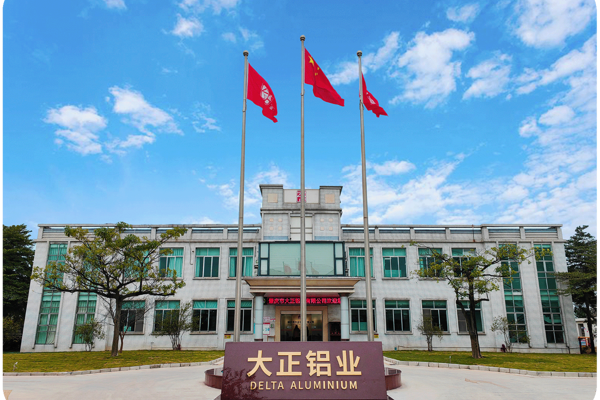
To systematically build a new ecosystem for the green development of the cast aluminium alloy industry and help enterprises precisely connect with high-quality supply chain resources, SMM has officially launched the compilation of the "2027 SMM Low-Carbon Cast Aluminium Alloy Enterprise Distribution Map". This distribution map will provide a panoramic view of China's low-carbon cast aluminium alloy industry layout, focusing on key data such as enterprise regional distribution, core products, low-carbon certification qualifications, and annual capacity scale, creating an authoritative platform for industry resource matching. Hereby, SMM, together with, jointly invites upstream and downstream organisations to participate in the production and promotion. Partners from all sectors are welcome...

Germany’s last remaining primary aluminium producer, TRIMET Aluminium SE, has a combined nameplate capacity of approximately 540,000 tonnes per year across its German and French smelters. Yet Germany exported 466,756 tonnes of unwrought primary aluminium in 2025, equivalent to 86.44 per cent of that combined capacity. Exports reached 501,678 tonnes in 2023 and 449,590 tonnes in 2024, while shipments totalled 273,080 tonnes between January and July 2026. The comparison presents an intriguing picture of Germany’s aluminium industry. Despite having a limited primary smelting base, the country continues to export hundreds of thousands of tonnes of unwrought aluminium annually. At the same time, it imported 2 million tonnes of primary aluminium in 2025, more than four times its exports. Why...
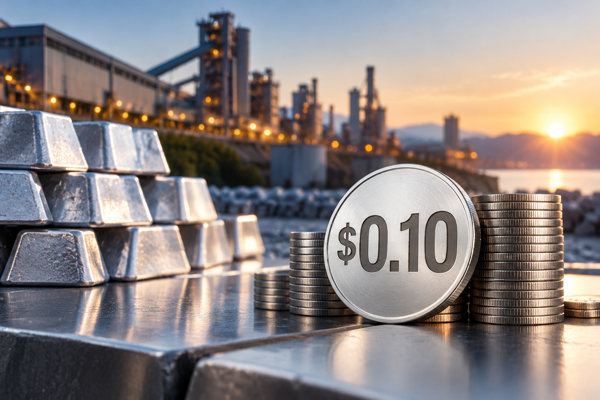
Alcoa Corporation has declared a quarterly cash dividend of $0.10 per share of its common stock, payable on November 13, 2026. Shareholders recorded as of the close of business on October 27, 2026, will be eligible to receive the dividend, the company announced. The company has continued its quarterly dividend at $0.10 per share, maintaining the same payout level announced in its previous dividend declarations in 2026, according to the company's investor relations records. Looking for alumina refinery raw materials? Compare grades, explore sourcing options, and connect with global suppliers on AL Biz.

Press Metal Aluminium Holdings Bhd is facing pressure on its earnings as aluminium prices fall below US$3,000 per tonne and carbon anode prices reach a three-year high. The increase in raw material costs, combined with weaker aluminium prices, has led RHB Research to lower its earnings forecasts for FY26 to FY28, although the firm has retained its “Buy” recommendation on the company. RHB Research linked Press Metal’s nine percent single-day share price decline to lower aluminium prices, higher carbon anode costs, concerns over rising US inflation, tighter monetary policy and a stronger US dollar. Aluminium prices fell to US$2,987 per tonne as market sentiment weakened following a sell-off in artificial intelligence-related stocks. Expectations of a faster-than-anticipated recovery in the...
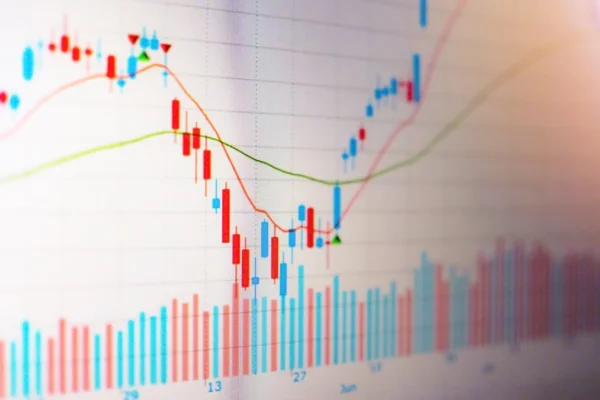
Futures : SHFE aluminium closed at RMB 23,315 per tonne, up 0.56 per cent. Although the price rebounded to stand above the MA5 (23,246), it remained capped by the MA10 (23,440) and the dense cluster of medium- and long-term moving averages below (MA30 = 23,972, MA60 = 23,824), with the overall moving average system maintaining a bearish alignment. The MACD indicator's DIF (-223.65) and DEA (-137.46) ran deep below the zero axis, with the green bar reaching -172.39. The bearish trend remained intact, and the short-term rebound was an oversold recovery. Trading volume shrank sharply to 74,500 lots (below the average volume), reflecting cautious market participation. The suggested core trading range for SHFE aluminium is 23,000-23,600. LME aluminium closed at USD 3,007 per tonne, down...
London Metal Exchange (LME) aluminium prices increased on October 16 compared with the previous day, October 15, across cash, three-month and December 27 contracts. The LME aluminium cash bid price increased by 0.48 per cent to USD 3,013 per tonne on October 16 from USD 2,998.50 per tonne on October 15. The cash offer price rose by 0.50 per cent to USD 3,014 per tonne from USD 2,999 per tonne. The three-month contract also recorded gains. The bid price increased by 0.58 per cent to USD 3,011.50 per tonne from USD 2,994 per tonne, while the offer price rose by 0.58 per cent to USD 3,012 per tonne from USD 2,994.50 per tonne. For the December 27 contract, the bid price climbed by 0.57 per cent to USD 2,975 per tonne from USD 2,958 per tonne. The offer price increased by 0.57 per cent to USD...
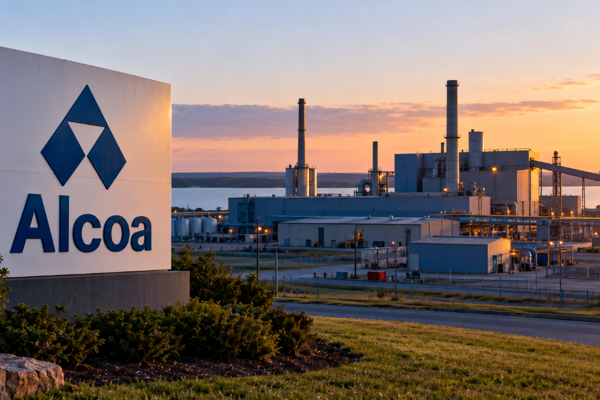
Alcoa plans to sell part of its idle Massena East industrial site in New York for up to $315 million, marking the first step in its broader effort to generate cash from underused assets by 2030. The agreement comes as the aluminum producer prepares to complete its multibillion-dollar acquisition of South32’s bauxite, alumina and aluminum assets while navigating changing metal prices and higher input costs. The company has reached a definitive agreement with an undisclosed buyer for the Massena East property. The transaction is expected to bring in an initial payment of $50 million to $65 million at closing, which is anticipated within the next six months. The remaining proceeds are expected before the end of the decade, although the agreement allows up to seven years for commissioning....
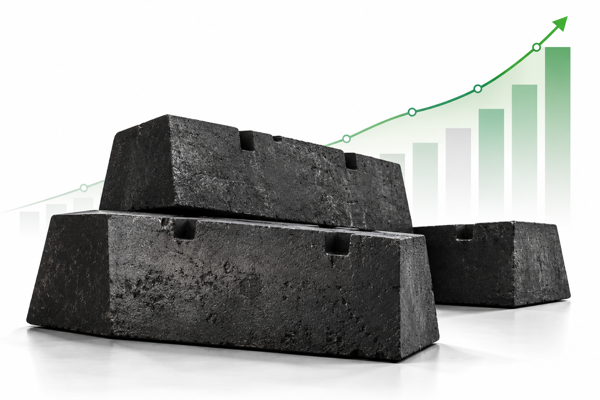
Supported by strong gains in raw material prices within the settlement cycle, the prebaked anode prices have increased consecutively, breaking above the RMB 6,000 per tonne threshold for the first time in 44 months. In October 2026, a major Shandong-based aluminium smelter raised its benchmark purchase price for prebaked anodes by RMB 400 per tonne from September, settling at RMB 6,130 per tonne by cash and RMB 6,147 per tonne by acceptance. On the profitability front, using market prices in Shandong as the cost benchmark, the production cost of prebaked anodes during this settlement cycle stood at approximately RMB 6,167.5 per tonne. Compared with the benchmark purchase price in Shandong, the average industry profit was roughly RMB -37.5 per tonne. Although anode prices rose as expected,...
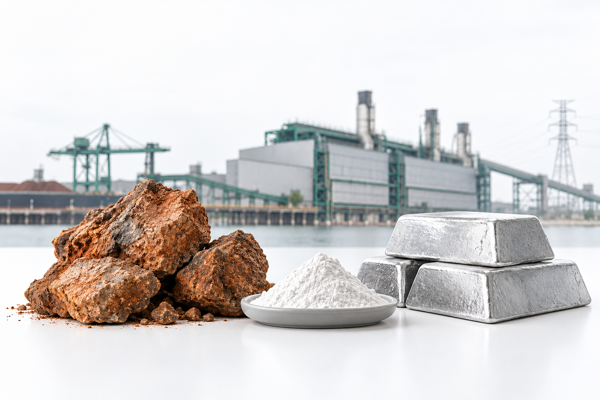
Indonesia is pitched as the next big Asian aluminium hub as the country has released an expansive alumina and aluminium expansion plan, based on the abundant bauxite resource in the country. China has exhausted its aluminium capacity cap and is unlikely to raise installed capacity significantly in the coming years. Additionally, geopolitical conflicts, sanctions, and tariffs have made much of global aluminium capacity inaccessible and vulnerable. This includes Russian aluminium and the Gulf output, along with restricted and costly access to Canadian aluminium for the US smelters. The already tight supply conditions have been made worse after the Iran-Israel-US war that disrupted the Gulf aluminium capacity. Under current supply conditions, India and Indonesia will play a critical role in...
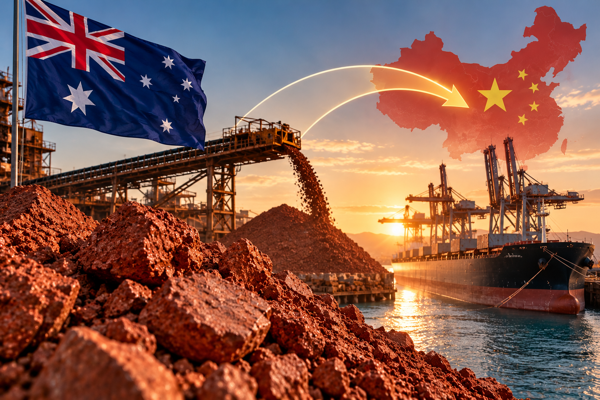
Australia's bauxite export value declined to USD 832.4 million in the first half of 2026, while shipments fell by 3.2 per cent year on year, with China maintaining its dominance as the leading destination. Australia's bauxite export value fell by 29.2 per cent Y-o-Y in the first half of 2026, even as export quantities recorded a more modest decline, according to data from ITC Trade Map. The country exported 19.22 million tonnes of bauxite and aluminium ores and concentrates worth USD 832.38 million in Q1-Q2 2026, compared with 19.85 million tonnes valued at USD 1.18 billion in the corresponding period of 2025. The figures point to a sharper fall in the reported value of exports than in shipment volumes. Australia's average export value per tonne, calculated by dividing reported export...

Rio Tinto Group’s efforts to expand its presence in battery materials are drawing attention following progress on graphene-based battery technology developed with Graphene Manufacturing Group (GMG), alongside the miner’s third-quarter 2026 production update. Under a joint development agreement between the companies, GMG has reported progress on its graphene G®CELLS technology, which the supplied report describes as maintaining performance over rapid charging cycles. The development adds a technology-focused dimension to Rio Tinto’s wider battery materials strategy, although it is not yet identified as a current earnings driver. Rio Tinto’s latest operating figures provide the broader production context. The company reported 15.7 million tonnes of bauxite, 0.8 Mt of aluminium and 2.1 Mt of...
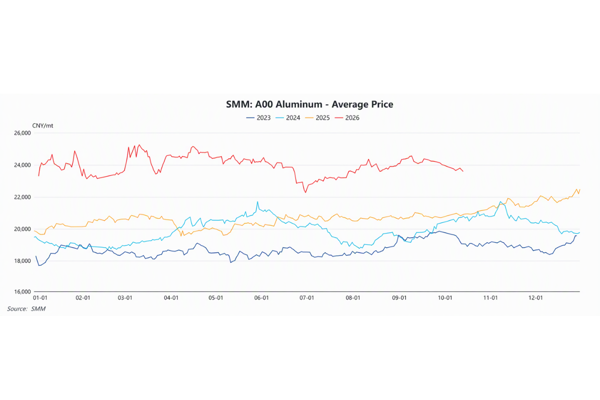
PV aluminium extrusion: This week, operating rates among sampled PV frame enterprises showed divergence. Some top-tier PV frame enterprises in Anhui and Hebei continued to run at relatively full operating rates; some other small and medium-sized integrated industrial extrusion enterprises reported that, for profitability considerations, they have proactively controlled production and reduced PV frame orders after the holiday, but their PV frame orders are limited, having little impact on the overall PV aluminium extrusion operating rate. From the downstream module side, October module scheduled production is expected to edge up from September, but the growth falls short of expectations, with China's scheduled production increasing by only 1-2 GW, providing limited support for PV-related...
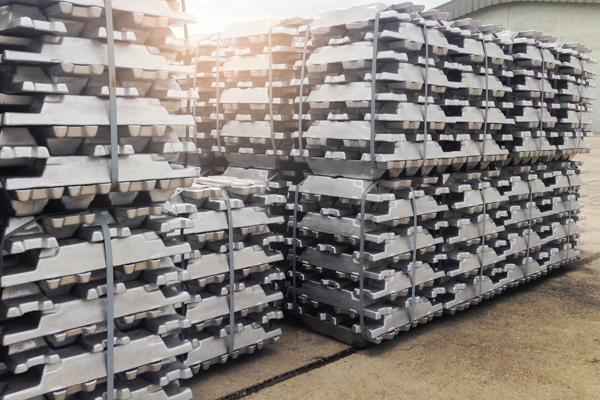
This week, the overseas aluminium market overall remained in the doldrums. Weak demand continued to be the core issue across major markets, with offer prices in Japan, South Korea, Thailand, the US, and China generally under pressure. Trading activity was sluggish, and the tug-of-war between sellers and buyers persisted, with the market lacking clear directional guidance overall. Japan: MJP negotiations continue, market sentiment remains subdued The Japanese market remained relatively quiet this week, with focus still on the progress of Q4 MJP negotiations. Some sellers are still negotiating premiums with buyers, but the two sides have significant differences in price expectations, and negotiations are progressing slowly. As a result, the MJP market remains subdued, with limited spot...