













Rolling fluid, in aluminium hot rolling, does more than lubricate the interface between the work rolls and the metal. Lubrication, surface quality, cooling and process stability are directly influenced by this condition. Due to this, the need for effective emulsion management is needed for manufacturers seeking consistent output, improved operational efficiency and reduced material defects.
Emulsions are exposed to high temperatures, pressure and contamination during the hot rolling process. Their physical and chemical properties are altered due to these conditions, affecting their ability to perform consistently. Small changes in the fluid composition may occur without regular monitoring, which increases the operating costs and disrupts the rolling process.
Emulsion stability and process consistency
For maintaining the right emulsion balance, some parameters are vital to keep in mind during the rolling process, including concentration, pH, conductivity and viscosity, which influence lubrication performance and emulsion stability.
For example, under-lubrication, metal sticking to work rolls and aluminium oxide pick-up can be a result of insufficient concentration. On the other hand, excessive concentration may cause slip, slab rejection and over-lubrication. Similarly, changes in pH and conductivity can indicate variations in emulsion stability, water quality or contamination.
These factors demonstrate why emulsion management cannot rely on occasional checks. Consistent monitoring helps identify deviations before they translate into production challenges.
Contamination control and fluid performance
In aluminium hot rolling, contamination is also a concern because hydraulic oil leaks, external lubricants and accumulated metallic soaps may affect rolling performance and alter emulsion properties.
Unstable emulsions, surface defects, corrosion risks and excessive skimming are the result of increased contamination. Lubrication, surface wetting and emulsion stability are affected due to the changes in additive levels. As fatty acids and esters become depleted during normal rolling, manufacturers must monitor their levels to prevent under-lubrication and associated roll wear.
Filtration, skimming efficiency and appropriate fluid adjustments therefore play an important role in maintaining the desired operating conditions.
From fluid management to process control
A broader understanding of how rolling fluid interacts with mill hardware and process parameters is required for effective emulsion management. Concentration, viscosity, additive levels and particle size distribution must be assessed together rather than treated as isolated measurements.
For maintaining consistent rolling conditions, improved overall productivity and minimised production disruptions, regular monitoring, contamination identification and timely corrective measures are required.
The opportunity for the aluminium rollers lies beyond moving the routine lubrication practices and is more in an integrated approach to fluid and process control. Understanding these interactions is increasingly important for maintaining product quality while managing operational costs.
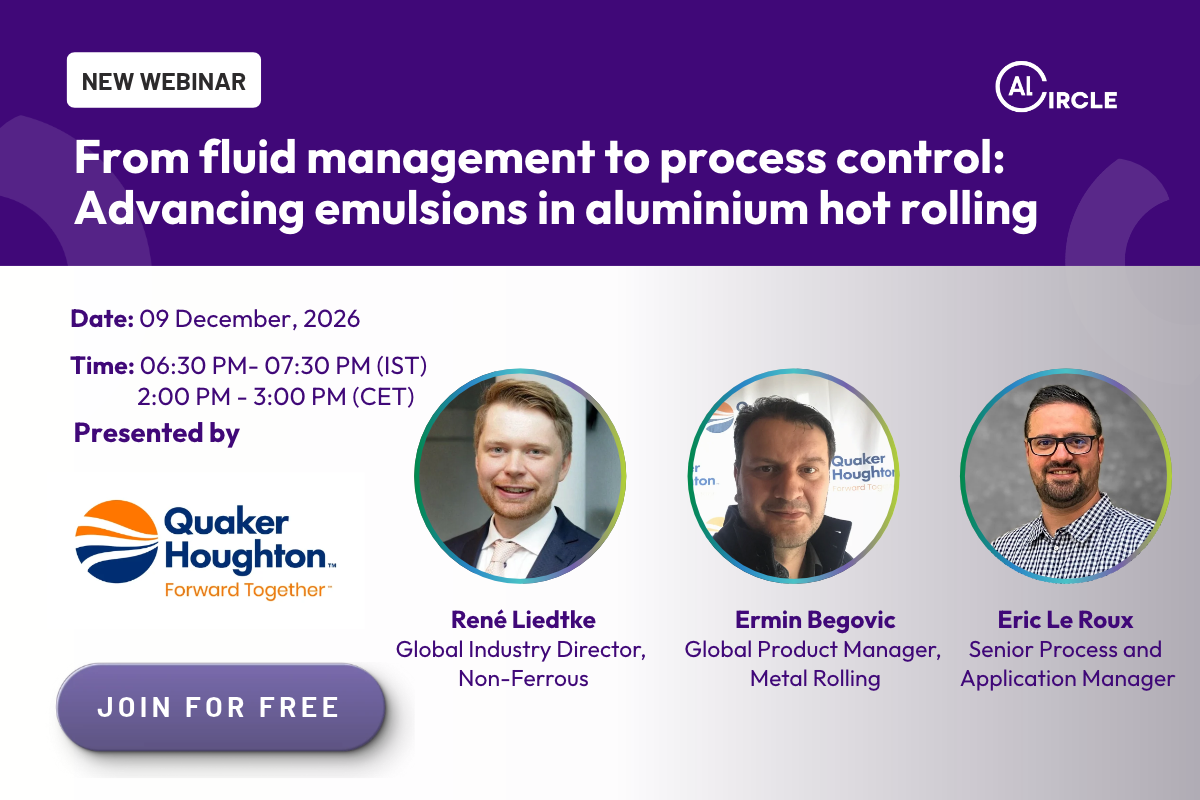
How can manufacturers improve emulsion stability, address fluid-related challenges and achieve greater control over aluminium hot rolling operations? Attend the webinar, From Fluid Management to Process Control: Advancing Emulsions in Aluminium Hot Rolling, for further insights into the role of emulsion management in advancing rolling performance.
Webinar details
Date: 9 December 2026
Time: 6:30 PM – 7:30 PM IST | 2:00 PM – 3:00 PM (CET)
Participation: Save your seat