





Aluminium stands apart from most engineering metals due to one defining property: it can be recycled infinitely without losing quality. That unique characteristic is at the heart of efforts by global producers to accelerate the transition from a linear to a true circular economy in metals‑intensive industries.
This case study examines how established players such as Hindalco and its subsidiary Novelis are leading the charge in aluminium recycling, turning end‑of‑life scrap into high‑value products across beverage packaging and automotive applications.
Why aluminium recycling matters
Recycling aluminium consumes only about 5% of the energy required to produce aluminium from raw bauxite ore, meaning it uses roughly 95% less energy and dramatically reduces greenhouse gas emissions compared with primary production.
Unlike polymers or glass, aluminium retains its metallurgical properties no matter how many times it is re‑melted. That makes it a perfect material for closed‑loop recycling, where collected scrap becomes the same product again and again, with minimal loss.
Closed‑loop recycling in beverage cans
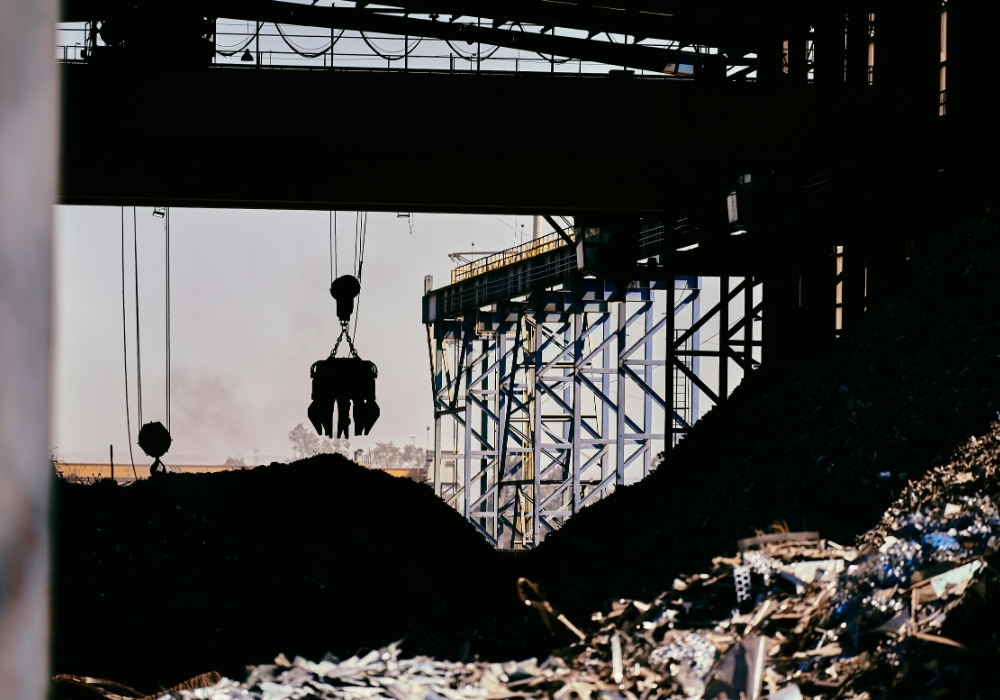
Within the beverage can industry, closed‑loop recycling represents a textbook circular economy success story. Novelis, one of the world’s largest aluminium recyclers, processes billions of used beverage cans annually into new can stock, returning recycled aluminium to supermarket shelves in as little as 60 days.
Because beverage cans are highly valuable in scrap markets and have well‑developed collection systems, this flow of materials has become one of the most efficient industrial circular loops for metal anywhere in the global economy.
Automotive aluminium circularity
The automotive sector presents a more complex but equally compelling recycling opportunity. End‑of‑life vehicles generate large volumes of aluminium scrap that, if properly sorted, remelted and reintroduced into production, can reduce reliance on primary metal and cut manufacturing emissions significantly.
Novelis collaborates with carmakers to recycle automotive aluminium scrap back into the same alloy grades used in structural panels and components. Maintaining alloy quality while recycling reduces overall energy use by up to 90% compared with producing new metal.
Also read: Hubei unveils world’s first one-piece large aluminium frame for BYD vehicles
Operational strategies for circular success
Key enablers of effective aluminium circularity in both packaging and automotive sectors include:
Dedicated recycling infrastructure
Specialised remelting and finishing facilities capture both post‑consumer and industrial scrap streams.
Reverse supply contracts
Producers partner with customers to take back used products or process plant scrap, increasing the share of recycled content in the supply chain.
Material sorting and segregation technologies
Advanced sorting improves the quality of secondary feedstock and drives higher recycling yields across alloy grades.
Zero‑waste targets
Ambitious waste‑reduction goals, such as achieving zero‑waste‑to‑landfill status, force plants to optimise scrap collection and reuse.
Measurable impacts and sustainability outcomes
The environmental benefits of aluminium circularity are quantifiable:
- Energy savings: Recycling uses a fraction of the energy required for primary metal production.
- Emission reductions: Lower energy use directly cuts greenhouse gas emissions.
- Resource conservation: Infinite recyclability means the same metal can circulate indefinitely without degradation.
These outcomes highlight how aluminium recycling contributes to both climate goals and industrial sustainability, positioning it as a material of choice for circular industrial strategies.
Takeaway: Circularity that works
Aluminium’s recyclability isn’t just a marketing slogan; it’s a fundamental economic and environmental advantage that drives industrial circularity. Whether it’s turning billions of beverage cans back into new cans or recycling automotive scrap into high‑performance alloys, effective recycling infrastructure closes the loop on resource use and builds resilience in metal supply chains.
For aluminium producers, end‑user industries, policymakers, and recyclers alike, the path forward is clear: invest in closed‑loop systems, improve scrap collection and sorting, and embed circularity into every layer of the metal value chain. That’s how a sustainable aluminium future gets built, one car at a time.


 Voyagerman Technology


