The market has entered holiday mode, with prices remaining stable overall, awaiting recovery post-holiday
Futures: The most-traded aluminium alloy 2604 contract opened at RMB 22,305 per tonne overnight, with a high of RMB 22,385 per tonne, a low of RMB 22,085 per tonne, and closed at RMB 22,140 per tonne, down slightly by 0.54 per cent.
Spot-Futures Price Spread Report: According to SMM data, on February 12, the theoretical premium of the SMM ADC12 spot price over the closing price of the most-traded cast aluminium alloy contract (AD2604) at 10:15 was RMB 1,490 per tonne.
Warrant Report: SHFE data showed that on February 12, the total registered volume of cast aluminium alloy warrants was 66,638 tonne, a decrease of 210 tonne from the previous trading day. The breakdown by region is as follows: Shanghai (6,490 tonne, unchanged m-o-m), Guangdong (23,181 tonne, down 60 tonne m-o-m), Jiangsu (8,681 tonne, down 150 tonne m-o-m), Zhejiang (22,249 tonne, unchanged m-o-m), Chongqing (4,684 tonne, unchanged m-o-m), and Sichuan (1,353 tonne, unchanged m-o-m).
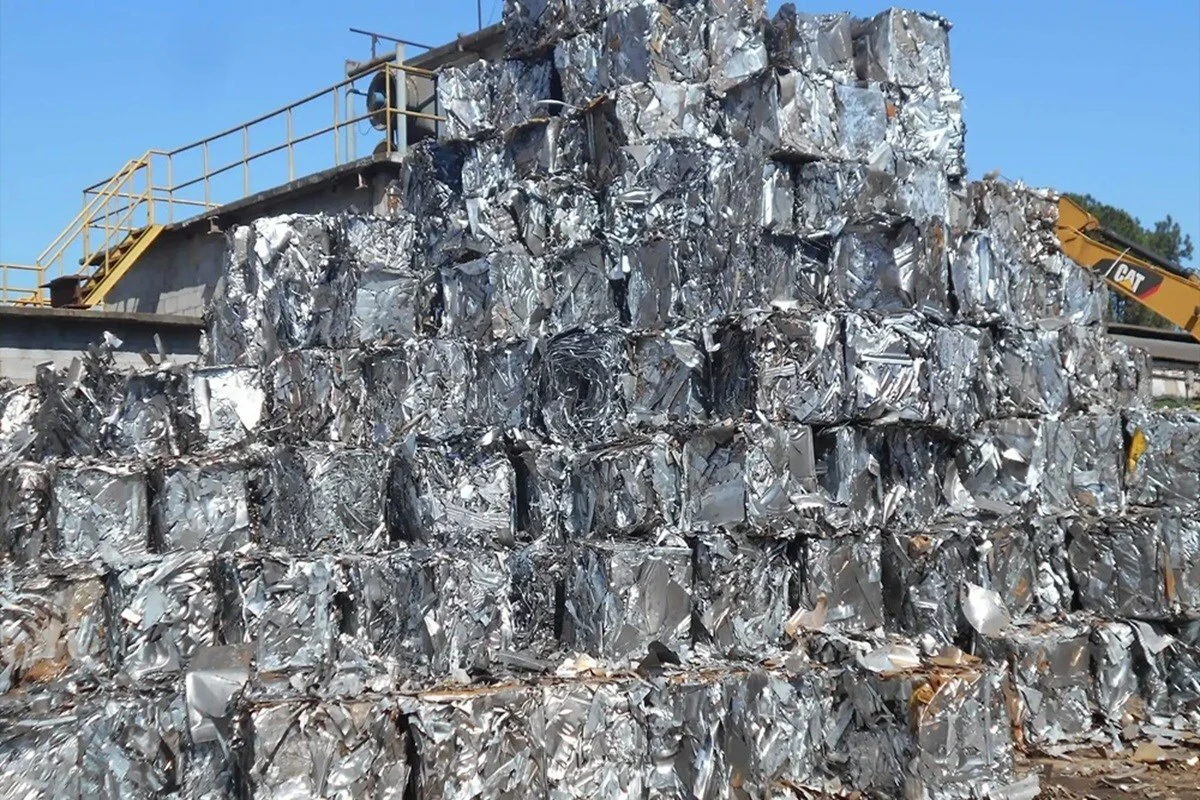
Aluminium scrap: aluminium scrap yards and scrap utilization enterprises gradually entered the Chinese New Year holiday this week. Shipment activities from yards were suspended, with only a small amount of delayed arrivals being slightly stocked. Market trading became sluggish and is unlikely to improve in the short term. aluminium scrap prices are expected to hover at highs after the holiday, as downstream demand is not expected to recover immediately. The mainstream price range for shredded aluminium tense scrap (priced based on aluminium content) is still expected to be around RMB 19,000-19,800 per tonne (excluding tax). In the first week after the holiday, scrap yards and aluminium processing enterprises are not expected to fully resume operations, limiting the output of new scrap and the recovery of old scrap, leading to tight market supply. Coupled with high aluminium prices, this provides bottom support for aluminium scrap prices. Downstream demand declined compared to January, and trading is expected to remain sluggish in the short term, with the weak supply-demand pattern continuing. Transactions will mainly consist of essential restocking. Close attention should be paid to the resumption pace of downstream processing enterprises after the holiday, and be alert to the possibility that post-holiday resumption expectations could reignite market capital sentiment, further pushing up aluminium prices and keeping the aluminium scrap market trading atmosphere sluggish.
Silicon metal: On February 12, SMM prices in east China were as follows: non-oxygen blown #553 (RMB 9,100-9,300 per tonne), oxygen-blown #553 (RMB 9,200-9,400 per tonne), #521 (RMB 9,300-9,500 per tonne), #441 (RMB 9,300-9,600 per tonne), #421 (RMB 9,500-9,800 per tonne), #421 for silicone use (RMB 9,800-10,200 per tonne), and #3303 (RMB 10,200-10,400 per tonne). Prices in Kunming, Huangpu Port, Tianjin, Northwest China, Shanghai, Xinjiang, and Sichuan remained stable.
Overseas market: For imports, overseas ADC12 offers remained in the range of USD 2,840-2,900 per tonne, with the import profit margin rebounding to near the break-even line.
Summary: As upstream and downstream enterprises in the industry chain successively enter holiday mode, although there are still quotations in the spot market, actual transactions have significantly decreased, market liquidity has cooled rapidly, and prices are primarily focused on maintaining stability before the holiday. After the holiday, price trends will return to the interplay between supply-demand dynamics and costs. If enterprises maintain a normal pace of production resumptions while downstream order recovery falls short of expectations, the price center risks facing downward pressure; if phased restocking occurs after the holiday, coupled with primary aluminium holding up well, ADC12 prices are expected to see a corrective rebound. Overall, before end-use demand shows substantial improvement, the market is likely to maintain a fluctuating trend in the initial post-holiday period, with prices still moving within the pre-holiday range, and the direction of movement depends on the strength of demand recovery and the performance of primary aluminium prices.
Note: This article has been issued by SMM and has been published by AL Circle with its original information without any modifications or edits to the core subject/data.

Ireland collects 2.4 billion bottles and aluminium cans through deposit scheme
Next articleChina's aluminium scrap prices retreat as sentiment cools
Grow with
AL Circle