您想继续阅读英文文章还
是切换到中文?
是切换到中文?

THINK ALUMINIUM THINK AL CIRCLE

_0_0.png)
RUSAL, one of the world's largest aluminium producers, has implemented a proprietary neural network-based technology for controlling aluminium hydroxide particle fractions. The technology improves the quality of alumina, which in turn enhances the quality of the aluminium produced from it and reduces energy consumption during electrolysis.
{alcircleadd}Must read: Key industry individuals share their thoughts on the trending topics
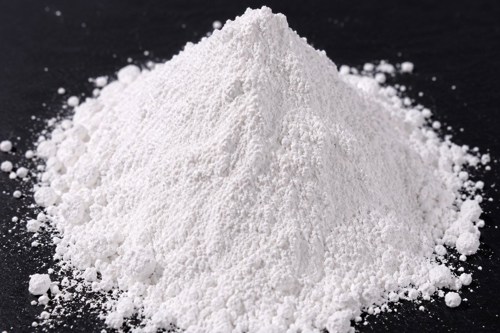
Decomposition is a key stage in the multi-step process of producing alumina (aluminium oxide) from bauxite ore, as the quality of the decomposition intermediate directly affects the quality of the final alumina and the aluminium smelted from it. In the decomposition battery, the aluminate-alkaline solution derived from bauxite processing is decomposed, precipitating aluminium hydroxide, which is then used in the final stage of the cycle to produce alumina.
Also Read: UAE aluminium giant moves to offload alumina cargoes after smelter strike disruption
The technology was developed by RUSAL's Engineering Department. It has completed trials and is now in industrial operation at the decomposition unit of the RUSAL Kamensk-Uralsky alumina refinery. The technology comprises a neural network digital twin of the decomposition process, trained on 15 years of historical data, and a mathematical algorithm for multi-parameter process optimisation.
The neural network continuously accumulates data on the fractional composition of aluminium hydroxide and the physical parameters of decomposition over the preceding 120 days, and generates a forecast of the fractional composition for the following 90 days. Based on this forecast, the optimisation algorithm recommends parameter adjustments to improve the fractional composition of the aluminium hydroxide. With a forecast error rate below 5 per cent, the system enables process engineers to control the decomposition process with greater precision than was previously possible. This has resulted in a 4.4 per cent reduction in fine fraction content in the product. Coarsening the alumina improves dry gas cleaning performance at aluminium smelters and reduces the consumption of alumina, anodes, and electricity per tonne of metal, thereby improving overall electrolysis performance. Energy efficiency and environmental sustainability remain central priorities for the company.
RUSAL has previously been among the first global producers to implement digital twins at its alumina refineries to optimise production processes, achieving lower resource consumption and higher productivity. The digital twin of the decomposition process at the Kamensk-Uralsky refinery marks a further advance in the application of artificial intelligence. By leveraging neural networks, RUSAL has, for the first time, achieved predictive, advisory control of the decomposition process, surpassing comparable solutions developed elsewhere.
Don’t miss out- Buyers are looking for your products on our B2B platform
Note: This article has been issued by RUSAL and has been published by AL Circle with its original information without any modifications or edits to the core subject/data.

Responses