您想继续阅读英文文章还
是切换到中文?
是切换到中文?

THINK ALUMINIUM THINK AL CIRCLE

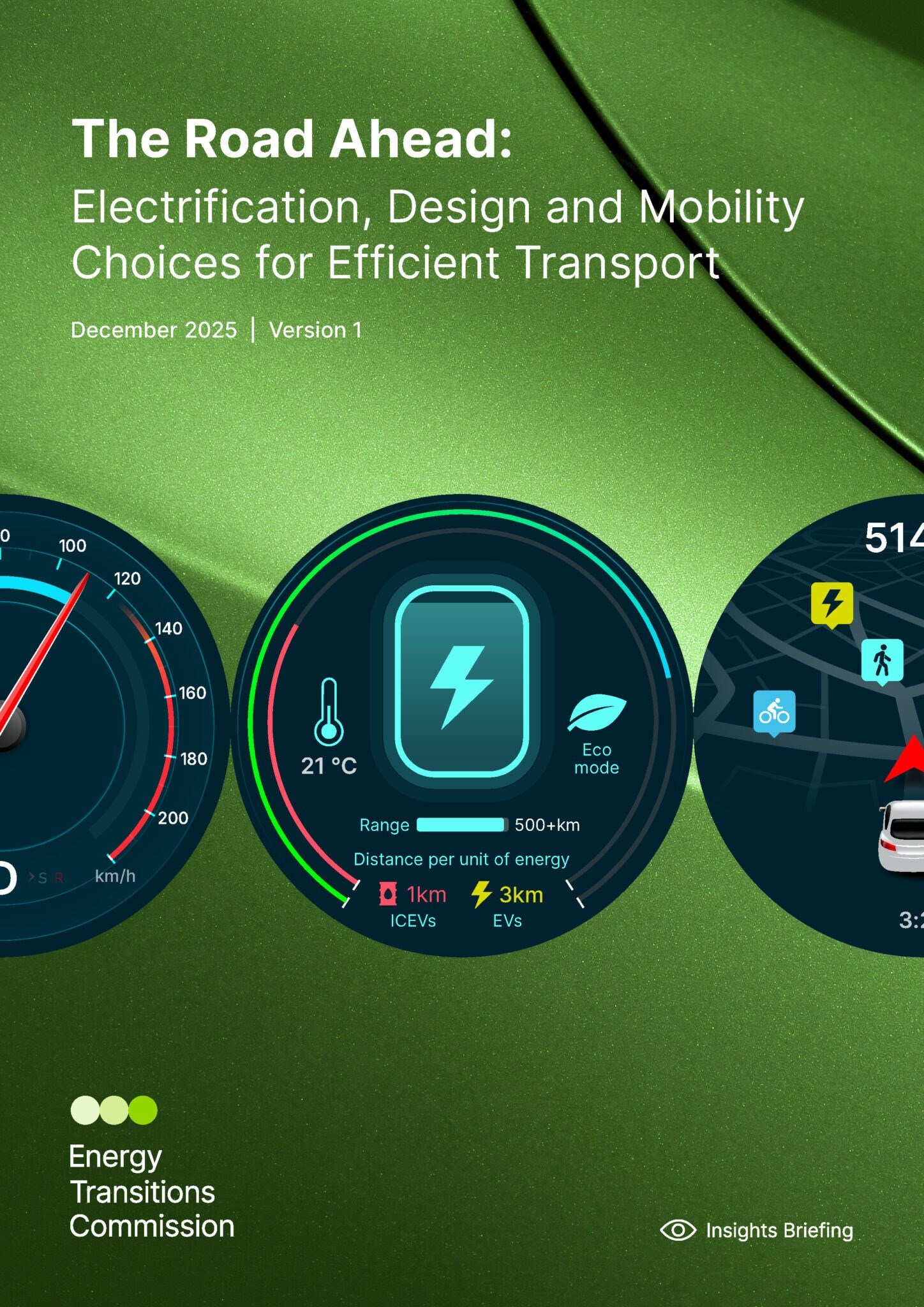
This image is shared by MPP
Improving energy productivity can meet rising needs for housing, mobility and goods while reducing reliance on expensive fossil fuels and the need for new energy infrastructure, says a new report from the Energy Transitions Commission (ETC) and Mission Possible Partnership (MPP) published today.
{alcircleadd}Energy productivity measures the economic value generated from each unit of energy – improving it delivers the same (or greater) output from less energy. The report shows that more efficient ships, planes and industrial plants, using less material, using things for longer and recycling more can reduce the cost and complexity of decarbonising energy-intensive industries while strengthening industrial competitiveness.
Energy-intensive sectors, aluminium, aviation, cement, plastics & chemicals, shipping and steel, form the foundations of modern economies: our houses, transport and goods. Together, these sectors account for around a quarter of global energy demand.
By 2025, steel, aluminium, cement and plastics & chemicals demand is expected to grow 25 per cent-100 per cent, aviation 150 per cent, and shipping 45 per cent, driven by rising global prosperity, urbanisation and industrialisation. This growth could be delivered using 25-45 per cent less energy and at lower cost, by improving energy productivity, compared to a scenario with no productivity gains, says the new briefing, Harnessing energy productivity for industrial competitiveness.
Three complementary strategies can reduce energy demand across energy-intensive sectors:
Clean electricity and low-carbon fuels are essential to decarbonise steel, cement, plastics & chemicals, aluminium, aviation and shipping - and while they carry modest “green premiums”, these are manageable at the consumer level. Improving energy productivity by using materials more efficiently and deploying better technologies enables us to meet rising demand for buildings, products and transport while reducing energy demand and related costs,” said Adair Turner, Co-Chair of the Energy Transitions Commission.
“The energy crisis provoked by the conflict in the Middle East is a reminder of how exposed many economies still are to fossil energy supply disruptions and price spikes that feed through into everything from transport and industry to food production. The shift to clean industrial supply chains, anchored to a much greater extent in domestically produced energy, chemicals, and materials (including recycled materials), is essential to make economies more resilient. And using these resources more effectively will make the transition cheaper and faster,” said Faustine Delasalle, CEO of Mission Possible Partnership.
The opportunity is substantial. Recycling aluminium is approximately 95 per cent less energy-intensive than new production. In cement, reducing clinker content and optimising building design represent the largest levers to lower energy requirements.
Implementing key efficiencies could reduce energy demand by up to 45 per cent. System-wide, it could reduce global energy investment needs by an estimated $15 trillion over the next quarter of a century. What is now required are clear policy signals on carbon pricing, standards and infrastructure that reward energy productivity, reduce energy demand and system costs, and unlock final investment decisions in industry.
Decarbonising some energy-intensive sectors requires a transition to low-carbon solutions, such as hydrogen, ammonia, bioresources, and carbon capture and storage (CCS). These low-carbon solutions are themselves energy-intensive and depend on a scaling up of clean energy infrastructure. As industries adopt low-carbon solutions, productivity improvements can limit cost increases to materials and transport, and reduce the impact on businesses and consumers.
The Energy Transitions Commission and Mission Possible Partnership’s work is anchored in four priorities that define this decisive decade: Doubling the rate of energy efficiency improvement to 4 per cent per year by 2030; Tripling global renewable power capacity by 2030; Electrify - scaling clean electrification of growing energy demand; and Build Clean Now, moving clean industrial capacity from ambition to execution. Energy productivity improvements align with all four priorities.
Note: This article has been issued by MPP and has been published by AL Circle with its original information without any modifications or edits to the core subject/data
Responses