您想继续阅读英文文章还
是切换到中文?
是切换到中文?

THINK ALUMINIUM THINK AL CIRCLE

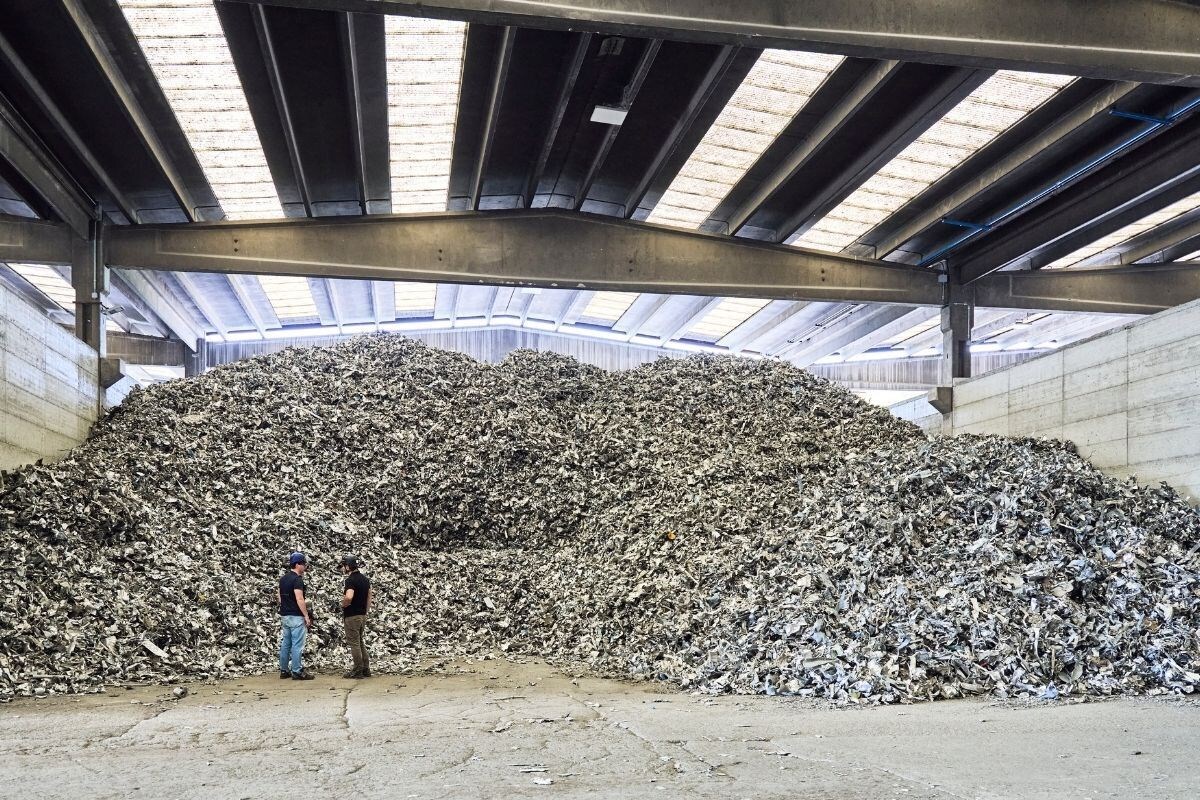
This image has been obtained via official Press Release
International geopolitical tensions are putting pressure on primary aluminium supply chains. The blockade of the Strait of Hormuz is disrupting trade flows from the Persian Gulf region, which accounts for around 9 per cent of global primary aluminium production. Further complicating the picture are the damages sustained by major Middle Eastern production facilities (Aluminium Bahrain and Emirates Global Aluminium) and the gradual tightening of sanctions against Russia, a long-standing supplier of low-emission aluminium to the European market.
{alcircleadd}The shortfall in this material now exceeds 87 per cent of the continent’s requirements, making it necessary to import around 8 million tonnes of metal annually. Against this backdrop, the limited availability of raw materials, combined with persistent geopolitical uncertainty, is fuelling a sharp rise in raw material prices, which have risen over the past year from around 2,400 to over 3,500 dollars per tonne. Although the correction at the end of June brought this figure down to around 3,100 dollars, the price remains far too high.
The battle for scrap metal makes it onto the European agenda
The growing difficulty in sourcing primary aluminium increases the strategic value of secondary aluminium, obtained from the recycling of scrap. Energy dynamics are also further encouraging its use. The production of primary aluminium requires, in fact, huge amounts of electricity: according to the International Aluminium Institute, an average of around 52 kWh is needed for every kilogramme of primary aluminium derived from bauxite, compared with just over 2 kWh for recycled aluminium.
This gap translates into energy savings of over 95 per cent, as well as a substantial reduction in CO₂ emissions. However, the scrap market, too, has become a battleground for international competition. Recent US policies, characterised by the introduction of 50 per cent tariffs on semi-finished aluminium products and 15 per cent tariffs on scrap, create favourable conditions for purchases by non-EU operators.
This is leading to a gradual reduction in availability for the European manufacturing industry and a significant rise in prices, which in many cases far exceed the benchmark prices set by the London Metal Exchange (LME). To this end, Eural Gnutti has, over the last two years, stepped up its dialogue with the European institutions, actively contributing to the debate on industrial and trade policies affecting the aluminium supply chain. The aim is to highlight the strategic value of scrap aluminium for industrial competitiveness and the sustainable transition of European industry.
To learn about the autonomous furnace tending in aluminium cast houses from RIA Cast House Engineering, join the webinar Autonomous furnace tending in aluminium cast houses: Improving safety, productivity and yield
This vision now appears to be reflected in the protectionist measures announced by the European Commissioner for Trade and Economic Security, Maroš Šefčovič, which are designed to limit the export of scrap aluminium to non-EU countries and to safeguard its availability within the single market. Once confirmed, these measures would represent an unprecedented step in European trade policy, supporting the resilience of the supply chain and creating more favourable conditions for investment in the circular economy and the decarbonisation of the sector.
Turning scrap into value: the Eural model
For Eural, recycling is not merely a response to market conditions, but a pioneering industrial choice initiated in the 1990s and consolidated through continuous investment in technologies, processes and expertise. This journey has enabled the company to combine sustainability with performance, guaranteeing the high quality and technical standards required by the most demanding sectors, from the automotive and aerospace industries to advanced engineering.
One of Eural’s key achievements is, in fact, its ability to produce high-performance alloys from various sources of scrap. The company has developed processes capable of utilising both foundry scrap and scrap from in-house extrusion – the so-called ‘run-around’ process – as well as secondary material sourced from predominantly Italian and European supply chains.
Thanks to this production model, Eural has never experienced any supply disruptions, ensuring regular deliveries to its customers. At the same time, the company is working to keep the presence of residual elements – particularly lead – under control. In the development of lead-free alloys, the complexity lies not so much in eliminating lead and replacing it with other elements, but in the possibility of using scrap from different sources, which may contain elements not required for the specific formulation. The challenge is to keep their concentration within controlled limits, so as to expand recycling opportunities without compromising the performance and quality of the final product.
Already today, the lead content in aluminium alloys is steadily decreasing, and developments in the European regulatory framework – in particular the RoHS Directive – will help to further accelerate its gradual elimination. Although this element will continue to be present for a few years in materials derived from products with a long life cycle, such as automotive components, standard recycling processes will gradually reduce its concentration, until it becomes only a residual presence in future generations of alloys.
“Eural’s experience demonstrates how investing in innovation and research enables us to transform the challenges of the global context into opportunities for development and competitiveness,” says Giorgio Di Betta, Commercial Director of Eural Gnutti, who concludes: “The measures the European Union is preparing to adopt can contribute to a more resilient and circular production system, creating the conditions for sustainable industrial growth in the long term.”
Read all the latest developments in Europe’s aluminium recycling industry: Click here
Note: This article has been shared by Eural and has been published by AL Circle with its original information without any modifications or edits to the core subject/data.
Responses