Aluminium billet inventory increased by over 20 per cent in a single week! Processing fees continued to trade at a discount

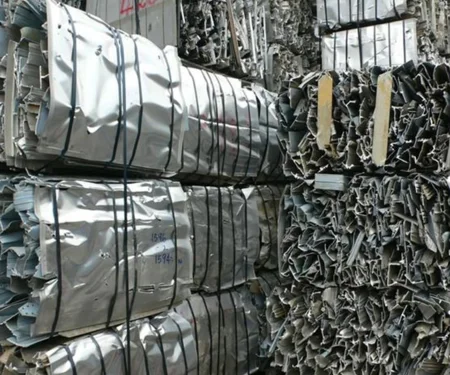
According to SMM statistics, aluminium billet inventory in mainstream domestic consumption areas stood at 206,000 tonnes on Jan. 15, up 21,500 tonnes from Monday and 36,500 tonnes w-o-w. During Jan. 5-11, total warehouse withdrawals of domestic aluminium billets amounted to 38,500 tonne, up 4,500 tonne w-o-w due to the impact of the New Year holiday.
Inventory-wise, Wuxi, Foshan, Nanchang, and Huzhou all saw a faster pace of inventory buildup, with Foshan experiencing a sharp inventory surge due to concentrated arrivals of shipments from the north. On one hand, constrained by persistently high prices and seasonal downstream impacts, extrusion plants showed significantly insufficient buying sentiment, with demand continuing to weaken.
On the other hand, although the operating rate of billet plants declined slightly, the overall supply reduction was insufficient, leading to piled-up in-factory inventory and shipments starting to be sent to warehouses, with supply-side pressure continuing to increase. Against the backdrop of aluminium prices holding up well, the aluminium billet industry maintained a supply-demand imbalance, with total inventory still climbing. It is expected that the aluminium billet inventory may reach 250,000 tonnes by month-end.
As domestic and overseas macro sentiment remained strong, SHFE aluminium hit a record high during the week and stayed high without a significant correction trend. Against the backdrop of continued strong aluminium prices, aluminium billet processing fees extended declines initially during the week, then saw a slight recovery, remaining in a deep adjustment phase.
By region, Foshan was at -RMB 50 per tonne, up RMB 90 per tonne w-o-w; Wuxi was at -RMB 50 per tonne, up RMB 100 per tonne and down RMB 50 per tonne w-o-w respectively; Nanchang was at -RMB 150/100 per tonne, flat w-o-w. Due to the difference between current prices and the monthly average price last month, there were varying liquidation needs in the market, leading to chaotic processing fee quotes and significant price differences.
Coupled with seasonal bearish factors such as strong fear of high prices downstream and weak demand, liquidation needs were further stimulated, causing aluminium billet processing fees to operate below parity. Under the current oversupply pattern, aluminium billet processing fees are expected to remain in the doldrums. However, due to price spread factors, low-priced spot cargo sources are relatively limited, and processing fees are expected to converge to parity or above.
Note: This article has been issued by SMM and has been published by AL Circle with its original information without any modifications or edits to the core subject/data.

Aluminium Vision 2047 vs Reality in 2025: Ambition, progress, and the gaps in between
Next articleUpstream funding, project expansion and tightening supply are resetting aluminium’s market direction
Grow with
AL Circle