Whirlpool says US tariffs on aluminium and steel hurting costs
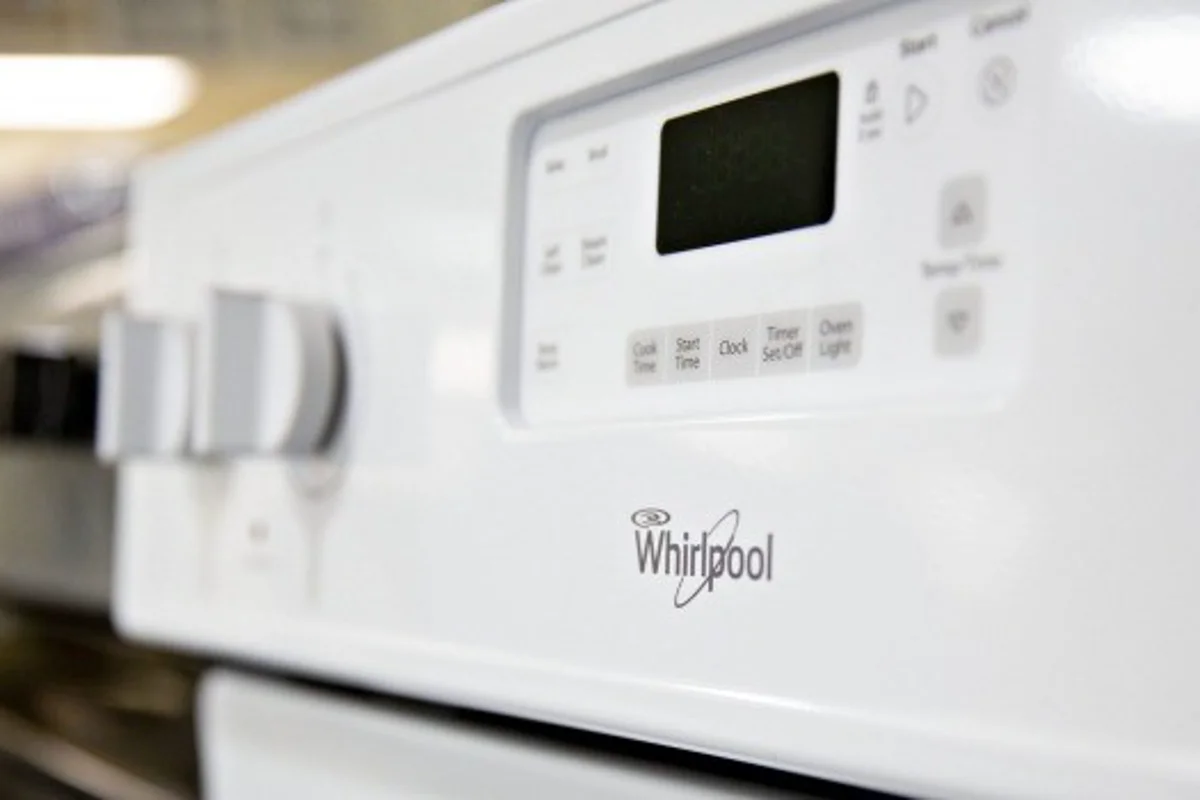
Home appliance manufacturer Whirlpool, an early supporter of tariffs to protect US washing machines, said that US tariffs on aluminium and steel were raising sharply the costs of raw materials, contributing to a slump in second-quarter earnings, and shares fell 15 per cent to a two-year low.
The Michigan-based washing machine maker could be forced to modify its current business practices, it said in a quarterly filing on Tuesday (Wednesday AEST), without giving details.
Whirlpool said rising raw material costs hurt results in three out of four of its regional markets in the second quarter, including North America, Asia and its struggling Europe, Middle East and Africa division. The only region where it did not cite input-cost inflation was in Latin America, which faced its own problems in the second quarter, including a Brazilian trucker strike.
Chief executive Marc Bitzer told investors on a call that rising costs in raw materials, unit volume decline and foreign currency volatility were factors in a slump in second-quarter earnings.
"Our annual steel contracts and hedging contracts with our base metals give us some protection but do not insulate us from these more material trends," Mr Bitzer said.
On Monday, Whirlpool reported second-quarter profit after market close that fell short of Wall Street estimates. The company posted a net earnings loss of $657 million ($884.8 million), or $9.50 cents per diluted share, in the quarter that ended in June, compared with $189 million, or $2.52 per share, a year earlier.

The Trump administration slapped tariffs on imported washing machines earlier this year, which was expected to give Whirlpool a boost.
Mr Bitzer praised the tariffs on washing machines in January but struck a more cautious tone in April, saying the company's raw materials costs in its US laundry business had risen substantially primarily due to a separate set of tariffs on steel and aluminum.
On Tuesday he said that uncertainty related to tariffs and global trade actions had also led to increased cost of certain strategic components and finished goods import and export. The company increased prices on its kitchen and laundry appliances earlier this year in response to rising costs.
Whirlpool competitor LG Electronics also hiked prices on washing machines in March as a result of the tariffs.
Aluminium bungalows in Northern Ireland renovated for better thermal efficiency
Next articleTrump agrees to ease car tariffs on EU to calm trade war fears
Grow with
AL Circle