Vietnam’s first aluminium electrolysis plant set to begin operations this quarter
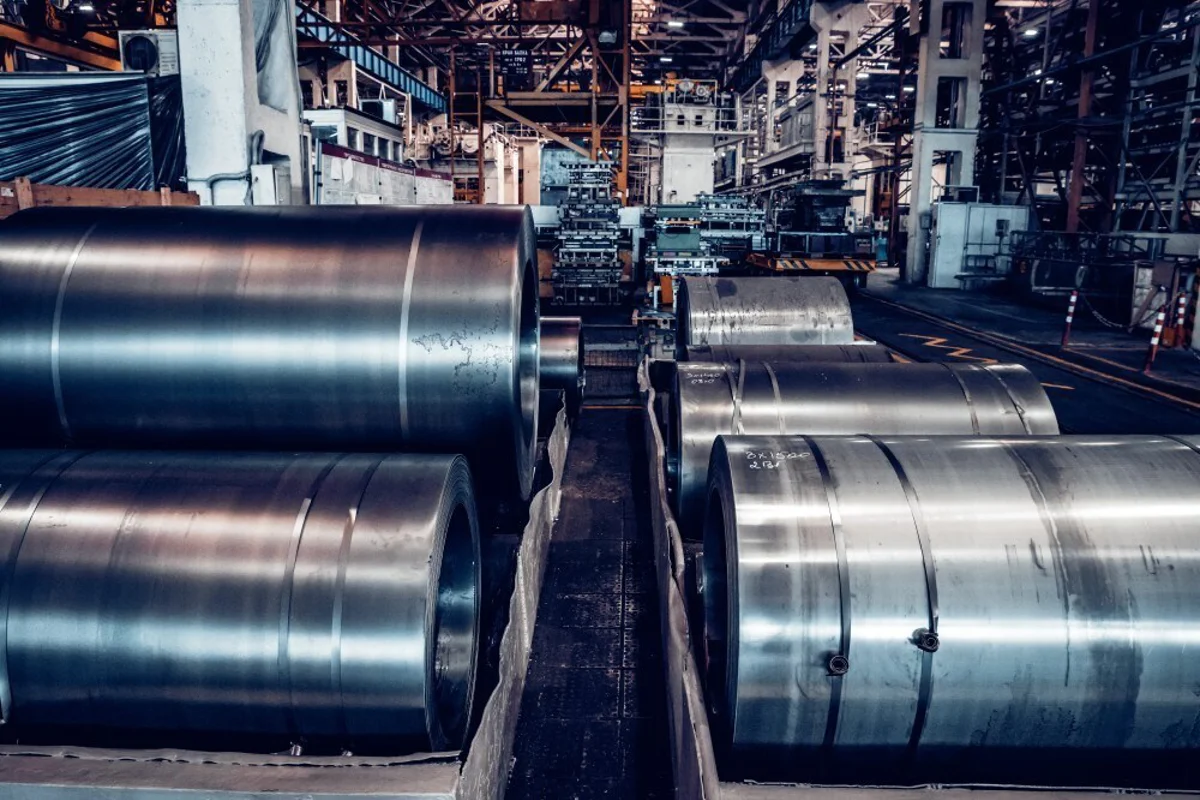
Stock image for referential purposes only
Vietnam is set to begin operations at its first aluminium electrolysis plant during the second quarter of 2026, according to project officials in Lam Dong province.
The project, developed by Tran Hong Quan Metallurgical Co., is located at the Nhan Co Industrial Park and is expected to initially produce 150,000 tonnes of aluminium annually.
The facility forms the final stage of Vietnam’s broader bauxite-to-aluminium industrial chain, linking bauxite mining, alumina refining and primary aluminium production within the country.
According to the company, the plant has been under development since 2015 and all major legal and construction procedures have now been completed.
The project covers around 129 hectares and involves total investment exceeding VND 18 trillion (USD 720 million).
The company said the construction phase and supporting infrastructure have already been completed, while recruitment for operational staff is ongoing.
Explore: The most comprehensive and forward-looking industry-focused report – Global Bauxite & Alumina Market Forecast to 2036: Supply–Demand, Trade Flows & Price Outlook
Around 100 key employees have already been hired, with the workforce expected to rise to nearly 600 employees by the end of the year.
The project will be developed in phases.
Phase 1 is expected to begin operations in the second quarter with annual capacity of 150,000 tonnes.
Phase 2 is targeted for completion by the first quarter of 2027, increasing total capacity to 300,000 tonnes per year.
Phase 3 is expected to start operations during the third quarter of 2027, eventually lifting total designed capacity to 450,000 tonnes annually.
During a site inspection, Ho Van Muoi described the facility as Vietnam’s first aluminium electrolysis plant and said it would contribute to regional economic growth and government revenues.
Local authorities also urged the company to ensure stable technical operations and reliable power supply once production begins, given the high electricity requirements of aluminium smelting.
The provincial government added that agencies would continue coordinating on land clearance and infrastructure support to help the project operate efficiently.
Explore our e-magazine ALuminium LeaderSpeak 2026 for the latest industry insights and trends.

Decoding Vedanta’s FY26: Aluminium and energy seal milestone in pre-demerger wave
Next articleLME aluminium prices rise above USD 3,750/t after holiday break; stocks remain stable
Grow with
AL Circle





















