The United States’ dynamic transformation in aluminium trade landscape is very well reflected through its semi-finished product imports, specifically aluminium plates, sheets, and bars as they show both volume growth and evolving sourcing patterns in Q1 2025. Despite maintaining a modest 22 per cent share of the country’s total aluminium imports during the quarter, this segment displayed a notable increase in volume, reaching 324,000 tonnes, up 10.69 per cent from 292,700 tonnes in Q4 2024.
Yet, this sequential uptick didn’t surpass the 339,000 tonnes imported in Q2 2024. However, it did outpace Q3 2024’s figure of 300,600 tonnes and marked a 10.97 per cent rise year-on-year from 292,000 tonnes, reinforcing the upward trajectory driven by policy anticipation and domestic demand.
February surge: a pre-tariff rush
The spike in imports was largely influenced by a sharp rise in February, when shipments totalled 101,000 tonnes, following a subdued 56,900 tonnes in January. Although March imports dipped 2.38 per cent month-on-month to 98,600 tonnes, the overall Q1 growth remained intact.
This front-loading of imports was triggered by the Trump administration’s announced tariffs on aluminium, set to take effect on March 12. The preemptive buying in February wasn’t just a reaction to looming import costs but also aimed to sidestep anticipated retaliatory duties from trade partners, a factor that drove both imports and exports.
Exports surge to dodge reciprocity, but lag behind 2024 levels
On the export front, the US recorded a robust 23.3 per cent quarter-on-quarter rise in aluminium plates, sheets, and bars shipments, reaching 171,000 tonnes from 138,700 tonnes in Q4 2024. However, the figure still lagged 13.64 per cent behind the Q1 2024 level of 198,000 tonnes, reinforcing that while exporters rushed to beat tariff timelines, the overall trend points to a cooling in outbound trade.
However, the rise in imports and decline in exports could also be an indicative factor behind growing domestic demand. According to the Aluminum Association, the US market has been growing at a compound annual growth rate (CAGR) of 2.5 per cent. If sustained, this could push primary aluminium demand from 4.4 million tonnes in 2024 to 5.1 million tonnes by 2029.
Trade realignment: South Korea takes the lead
One of the most telling shifts in Q1 2025 has been in the source countries for US aluminium plates, sheets, and bars. South Korea emerged as the top exporter, supplying 58,700 tonnes, up a staggering 107.42 per cent from 28,300 tonnes in Q1 2024.
This transition didn’t happen overnight. Since Q2 2024, following the launch of a preliminary anti-dumping investigation against Chinese aluminium extrusions, the US began diversifying its sourcing. By year-end, South Korea overtook China, exporting 181,000 tonnes versus China’s 154,000 tonnes.
In Q1 2025, South Korea edged ahead of even Canada, traditionally one of the US’ largest aluminium suppliers. Imports from South Korea stood at 58,700 tonnes, just above Canada’s 56,200 tonnes. Notably, January saw the highest monthly inflow from South Korea at 21,400 tonnes, followed by 18,000 tonnes in February and 19,300 tonnes in March.
Canada came out as the second-largest exporter, eventhough its shipments declined throughout the quarter from 20,100 tonnes in January to 17,600 tonnes in March, suggesting possible capacity constraints or diverted trade flows due to tariff recalibrations.
Meanwhile, Saudi Arabia climbed to the fourth spot behind China, with Q1 exports nearly matching China's, at a gap of just 2,700 tonnes. The Gulf nation, which had exported a modest 2,150 tonnes in Q1 2024 and a total of 18,300 tonnes in all of 2024, provided 20,000 tonnes in only a single quarter of 2025.
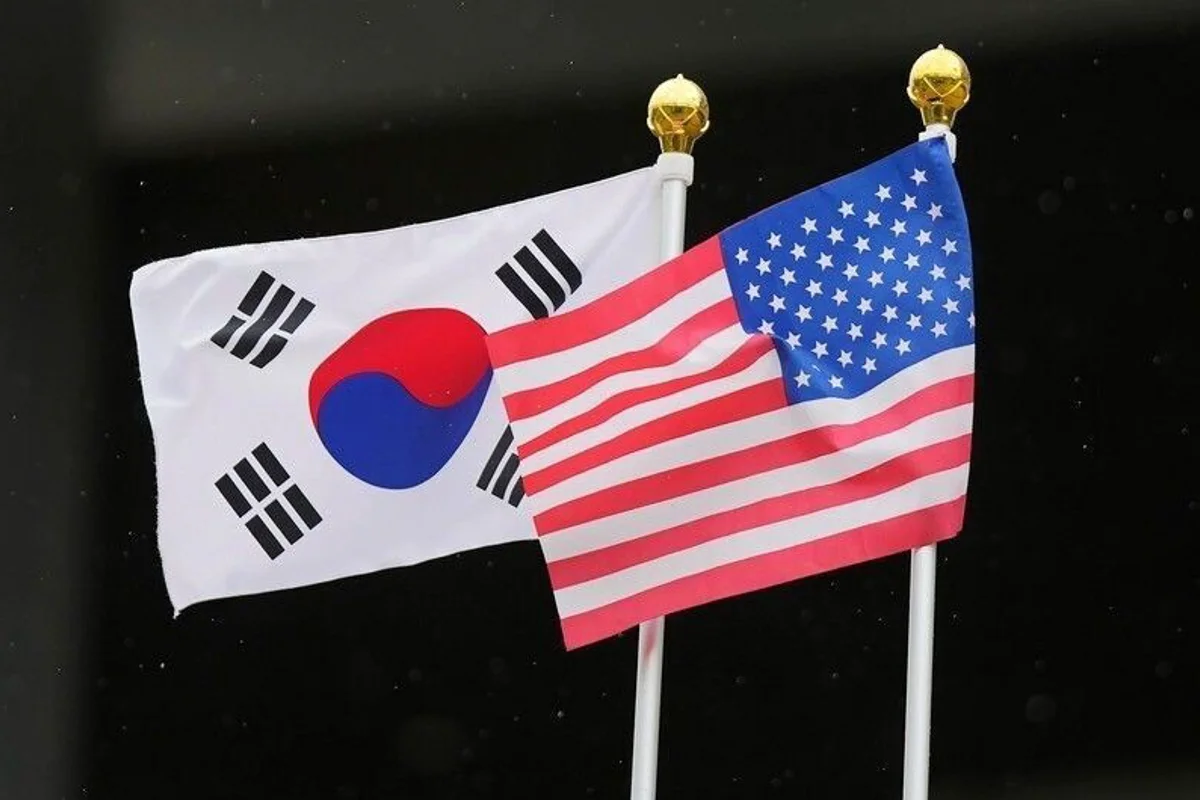
US-South Korea trade synergy: A deal in the making?
Amid these trade shifts, South Korea is pushing to formalise an “in principle” trade agreement with the United States by the August 1 deadline. Reports from Seoul indicate that South Korea may be willing to open parts of its agricultural markets in exchange for tariff exemptions in industrial sectors critical to its economy.
Trade Minister Yeo Han-koo emphasised the urgency of preserving industrial cooperation with the US, especially in sectors like aluminium. A senior South Korean trade official added that Washington has shown openness to tariff relief, provided Seoul proposes a credible plan to reduce bilateral trade imbalances.
Final word: The road ahead
The aluminium trade data for Q1 2025 tells more than a story of numbers - it reveals an ongoing restructuring of US import dependencies, influenced by geopolitical friction, tariff strategies, and rising domestic demand. With tariff deadlines, shifting alliances, and a possible US-Korea trade pact on the horizon, Q2 2025 could shape up to be just as pivotal for aluminium as the quarter before it.












_md.webp)
_md.webp)
_md.webp)







