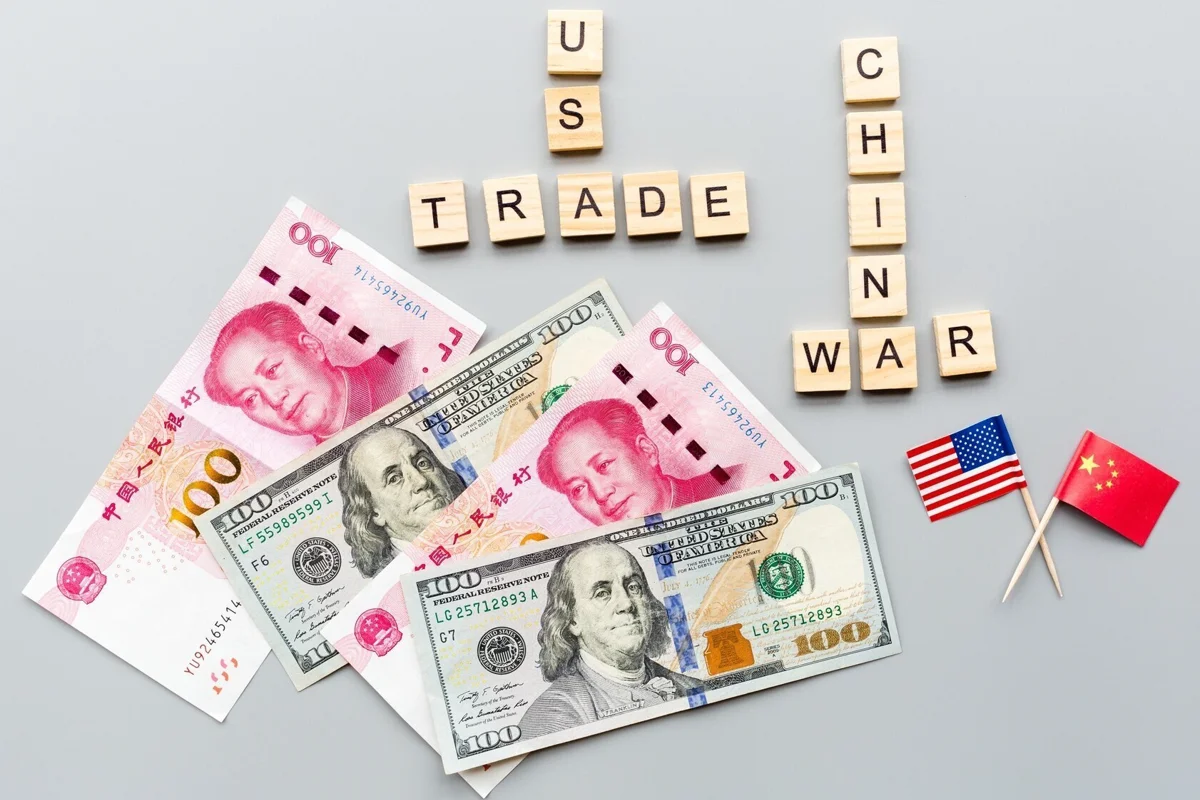
Karoline Leavitt, Press Secretary, White House, publicly declared on Friday, January 31, in a news briefing that the US would begin imposing 25 per cent tariffs on goods imported from Canada and Mexico and a 10 per cent tariff on imports from China starting February 01. Whereas just ahead of implementation, after much negotiation and last-minute diplomacy, US President Donald Trump has made a late-night declaration to a 30-day pause agreement on his 25 per cent tariff imposition against Mexico and Canada. The decision came as the US president conversed with his counterpart in Mexico, Claudia Sheinbaum. He also exchanged telephone messages with Canadian Prime Minister Justin Trudeau. It pulled the American neighbours back from the verge of a potentially raging trade war.
However, the 10 per cent tariff on China still stands. Now, people have started asking the obvious two questions — what made Trump change his mind, and what will happen next?
According to the New York Times, the three countries, Canada, China and Mexico, account for over one-third of the goods and services imported to or bought from the Donald Trump presided nation. The governments of all three countries had earlier vowed to levy tariffs of their own on US goods entering their countries.
But, as the standing tariff was only imposed on Chinese imports to the US effective February 04 unless the goods were loaded before February 01, the tariff war with China escalated. On Tuesday, February 04, Beijing retaliated against the 10 per cent US tariff by plugging an investigation into Google and imposing tariffs on US products. Chinese officials have conveyed that the country would investigate the US tech giant for alleged antitrust violations and thrust a 15 per cent levies on coal and liquefied natural gas and 10 per cent on oil and agricultural equipment imported from the US.
During the Chinese Foreign Ministry’s daily press briefing on February 05, spokesperson Lin Jian remarked on the USPS decision by accusing the US government of “politicising and suppressing Chinese companies” and also shared that China is equipped to take the required measures to safeguard its “legitimate rights and interests.” Lin, however, refrained from elaborating on the thorough actions that Beijing plans to bring as a comeback.
The earlier move was initiated when Trump’s tariffs eliminated the “de minimis” exemption, which allowed packages valued under $800 to be processed without incurring customs duties or tariffs. Subsequently, when the retaliation was announced, the United States Postal Service stated that it would “continue accepting all international inbound mail and packages from China and Hong Kong Posts,” reversing its prior decision to suspend inbound packages from those regions on Tuesday night.
Trump has positioned tariffs as a means of bolstering the US economy, protecting jobs, and increasing tax revenue. “Tariffs, for us, nobody can compete with us because we’re the pot of gold,” he asserted on Monday afternoon. “But if we don’t keep winning and continue to do well, we won’t be the pot of gold,” he added.
Economists and analysts have warned that resentful tariffs could inflate prices for a wide range of goods, which may include cars, lumber, steel, food and alcohol. Alongside, Morgan Stanley reports that any import tariffs applied to metals or mining products are likely to lead to elevated domestic prices for their local customers.
The actions also are not related to the directive Trump gave his incoming cabinet to review the Section 232 tariffs on aluminium and steel imports; Section 301 tariffs on Chinese imports, including the tariff exclusions on shredder wear parts, set to expire May 31, 2025, and export control measures; and the United States-Canada-Mexico Agreement, a review of which that is scheduled to begin in July of next year, and prepare policy recommendations for the White House by April 1.
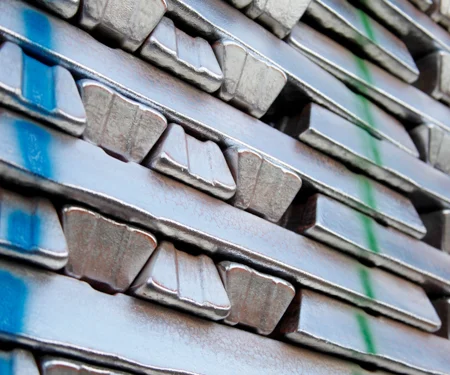
The pre-imposed US tariffs on steel and aluminium will affect millions of tonnes of imports, Bloomberg reports. The United States depends on transnational supplies to fulfil the need for metals used in the construction and production of vehicles, technology and military equipment. One of the main sources of steel and aluminium imports is from its closest trading partners. Tariffs on these two metals were among the first to be obtruded during the first presidency of Donald Trump.
In 2023, steel consumption in the United States amounted to about 93 million tonnes, with net imports accounting for 13 per cent of this demand. In terms of aluminium, the country consumed 4 million tons in the same period, with a much higher net imports ratio accounting for 44 per cent of the total. According to a Morgan Stanley study, Canada accounted for 56 per cent of aluminium imports.
Meanwhile, on February 02, Trump hinted that the 27-nation European Union would be his next mark for tariffs without revealing further details of the matter. The American president suggested that Britain, which exited the EU in 2020, might be spared many duties.
Items had already been removed from some shelves, and stock markets lurched downwards on Monday before recovering slightly with the announcement that tariffs had been suspended. SHFE aluminium was closed overnight owing to the Chinese New Year holiday. On February 04, 2025, LME aluminium opened at USD 2,622 per tonne, reached a high of USD 2,644.5 per tonne, a low of USD 2,611 per tonne, and closed at USD 2,629 per tonne, up US$8.5 per tonne or 0.32 per cent.












_md.webp)