UK's Clean Harbours Partnership pushes for aluminium anodes over zinc for boat hulls
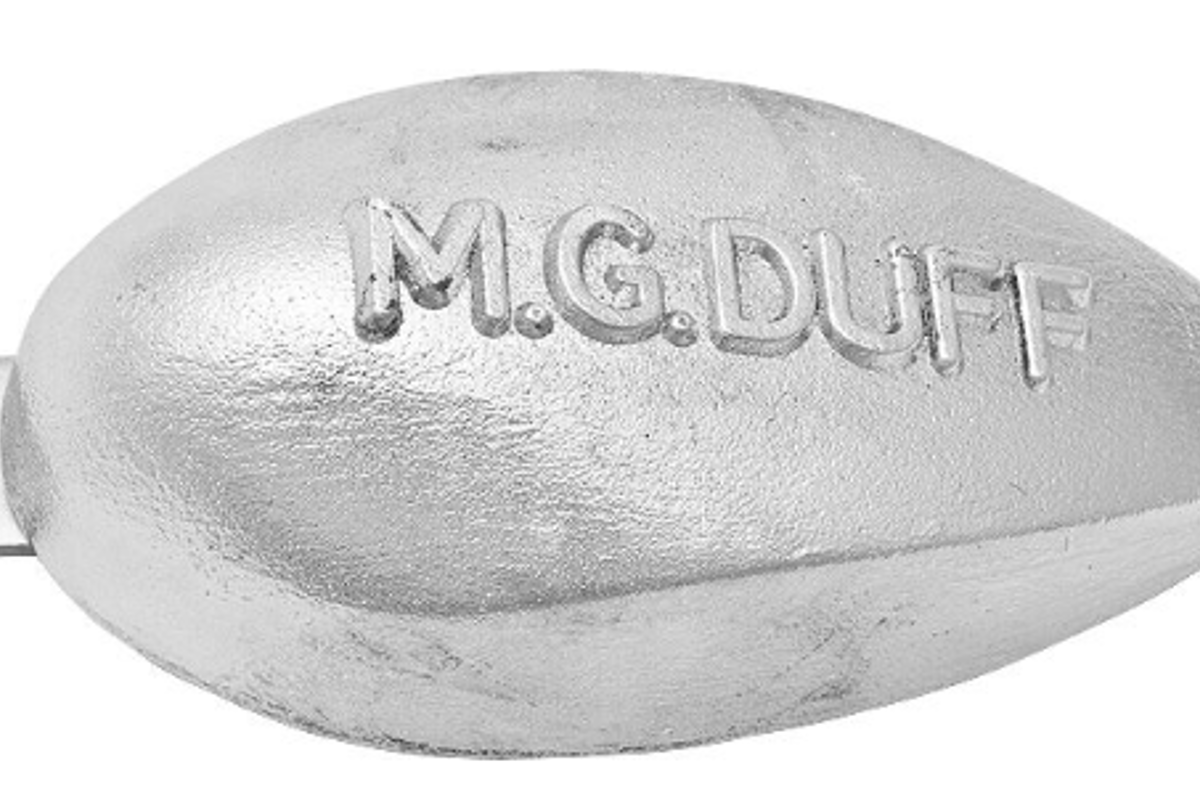
The UK's Clean Harbours Partnership is promoting the adoption of aluminium anodes over conventional zinc ones on their boat hulls. They encourage boat owners to transition from zinc to lighter and more efficient aluminium anodes, citing benefits for performance enhancement and environmental friendliness. In 2023, the application of aluminium in ships, yachts, and water vessels continued to grow, driven by its several advantages over traditional materials like steel.
The partnership highlights its investigation into the discharge of metals, particularly copper and zinc, into the ocean. According to findings from the Institute of Marine Sciences at Portsmouth University, an estimated 900 tonnes of zinc were likely released into coastal and inland waters in 2020, primarily attributed to recreational vessels.
"The problem is metals do not degrade. They accumulate in the ocean and sediment on the seabed, where organisms at all levels in the food chain ingest them. Zinc anodes also contain cadmium, which is harmful to marine life, whereas aluminium does not. While aluminium anodes are being used by some of the UK's major boat manufacturers, evidently they are not being used widely enough. We are urging boat builders and boaters across the UK to switch," said James Collings Wells, at the partnership
Due to its higher electrochemical capacity, an aluminium anode of the same size will outlast its zinc counterpart. Additionally, aluminium is lighter than zinc and boasts a higher driving voltage, making it more efficient in brackish water conditions.
Suppose an anode appears to be eroding at a faster rate than anticipated. In that case, it is advisable to investigate potential electrical issues such as stray currents or improper grounding of calling wells. Rectifying these issues would decrease the amount of metal shed by the anodes into the environment. Similarly, extended periods of connection to shore power without a galvanic isolator can lead to the same adverse effects.
British Crisp Co's eco-friendly aluminium-lined packaging solutions redefine sustainability
Next articleIntroducing Amcor Capsules' Granby production plant for sustainable aluminium solutions
Grow with
AL Circle