Over the past few years, Russia has ramped up its aluminium exports to China and other Asian economies. According to the latest trade data by the Chinese Statistical Service, China imported USD 612.1 million worth of Russian aluminium in April 2025 alone, which accounts for close to double the figure recorded in April 2024. This surge has pushed Russia’s share into Chinese aluminium imports to 39.5 per cent, up significantly from 22.7 per cent a year earlier. Between January and April 2025, China purchased a total of USD 2.05 billion worth of aluminium from Russia, marking a 1.5× increase compared to the same period in 2024.
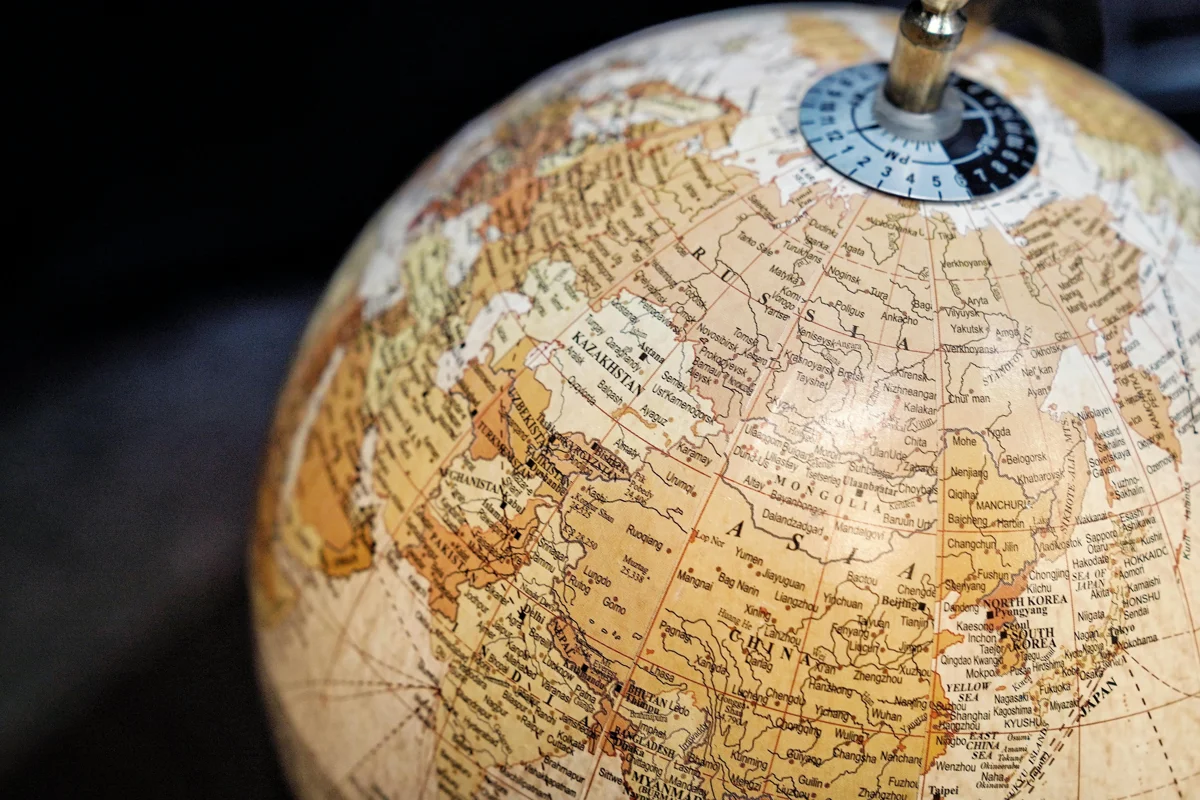
Image for representational purposes only
This spike is not just in monetary terms but also in physical volumes. In April 2025, China’s imports of primary aluminium from Russia reached approximately 228,600 tonnes, accounting for roughly 91 per cent of the country’s total primary aluminium imports for the month. Overall, China’s net primary aluminium imports stood at 236,800 tonnes in April, with a Y-o-Y growth of around 15 per cent. Notably, Russia had already become China’s top aluminium supplier in 2023, when it exported around USD 2.87 billion worth of the metal, representing about 23 per cent of China’s total aluminium import value.
The evolving trade dynamic is clearly reflected in earlier trends as well. In 2023, Russia’s aluminium exports to China had already shown sharp momentum, and by the first eight months of 2024, these exports reached USD 2.3 billion, which was roughly a 40 per cent increase from the same timeframe in 2023. Analysts now estimate that over 25 per cent of China’s aluminium imports were sourced from Russia by the end of 2024, up from just 12 per cent in 2021.
Sanctions on Russia: a context behind its pivot towards the East
The reasons for this dramatic pivot are both geopolitical and structural. With the US and UK implementing sweeping sanctions in April 2024, effectively banning imports of Russian-origin aluminium, copper, and nickel, Russia has been pushed to reorient its export strategy toward Asia. Simultaneously, China faces a 45 million tonne primary aluminium production cap which is nearing exhaustion.
The context of this eastward pivot has also been evident in broader market behaviour. With Russian aluminium largely shut out from the London Metal Exchange system and Western warehouses, LME inventories have dropped sharply, from around 1.3 million tonnes in 2023 to just over 322,000 tonnes as of mid-2025. The weakening demand and tightening supply in Western markets contrasts with relative abundance in Asia, where countries like South Korea, Japan, Malaysia, and Thailand have increasingly absorbed Russian metal, although none to the extent of China.
What role does China’s primary aluminium production cap play in all of this?
Russia had to find a new destination for its aluminium, and China joined the table as its domestic aluminium smelting capacity hovered near the government-imposed ceiling of 45 million tonnes per year. This has left Chinese industries increasingly dependent on imports, particularly for primary aluminium needed in fast-growing sectors like solar manufacturing and construction.
The 2020s have been marked by a visible tightening of Sino-Russian economic ties. In early 2022, just weeks before the Ukraine war, Presidents Xi Jinping and Vladimir Putin declared a “no-limits partnership.” As the West imposed unprecedented sanctions on Russia, China emerged as its largest remaining trade partner and a crucial economic lifeline.
For China, Russia offers long-term security of supply in oil, gas, coal, aluminium, timber, and critical minerals — all of which are crucial to Beijing’s energy transition, industrial base, and inflation control. With China’s own aluminium smelting capacity nearing government-mandated caps, Russian aluminium is increasingly important. This makes the relationship strategically vital, not opportunistic.
On-the-ground market analysis from Chinese data aggregators such as SMM (Shanghai Metals Market) and commentary from platforms like RIA Novosti and Metallurgprom further confirm these numbers. For instance, Reddit community posts tracking commodity flows note that in April 2024 alone, China imported approximately 107,200 tonnes of primary aluminium from Russia, then accounting for nearly half of all such imports. That figure has nearly doubled in just one year.













_md.webp)
_md.webp)







