Constellation Brands, the beverage behemoth behind Modelo, Corona, and Pacifico, has publicly held Donald Trump’s reinstated aluminium tariffs responsible for its underwhelming Q1 2025 financial performance. And in doing so, it has flung a spotlight on a long-simmering trade policy issue with serious implications for the global aluminium packaging industry. For the first time in years, aluminium has moved from the quiet corners of the commodities trade into the earnings calls of Fortune 500 giants.
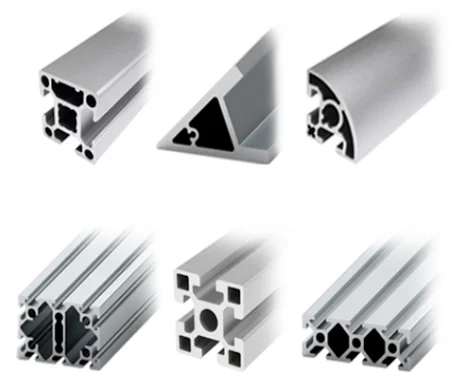
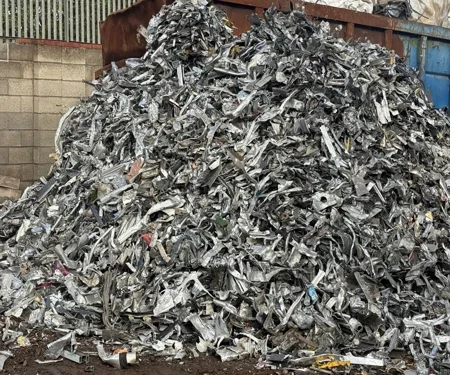
Image for representational purposes only
The company’s executive team revealed that aluminium tariffs will cost them an estimated USD 20 million in earnings this fiscal year alone, shaving 20 basis points off profit margins.
The USD 20 million aluminium shock
Constellation’s Q1 earnings missed expectations on both top and bottom lines. Reported net sales came in at USD 2.52 billion against a projected USD 2.55 billion, while earnings per share (EPS) landed at USD 3.22, below the forecast of USD 3.31. Although Constellation flagged multiple headwinds, including softening demand, the company directly singled out aluminium tariffs as a leading contributor to the drag on profitability.
These tariffs, first imposed at 25 per cent and now ratcheted up to 50 per cent under Trump’s 2025 trade policy resurgence, have raised the cost of aluminium can packaging sourced from Mexico and Canada and beyond. While aluminium is typically an invisible cost centre for beverage giants, Constellation’s rare candour underlined just how acutely such cost escalations are now being felt.
“There’s a lot of guesswork, more so in this year’s framework as it relates to things like the impact of potential tariffs and the potential impact of unemployment of government-related layoffs,” said CFO Garth Hankinson on the earnings call.
The US beer market is overwhelmingly can-driven. Over 75 per cent of beer sales are in aluminium cans, making the sector particularly sensitive to changes in the cost of aluminium. Until now, price fluctuations in primary aluminium or cansheet were absorbed quietly or mitigated by long-term contracts. Trump’s tariff revival, however, has added a volatile policy dimension that producers cannot hedge away.
Industry analysts estimate that the price of aluminium cans in North America has jumped 7 per cent to 12 per cent since the reimposition of tariffs, with ripple effects hitting logistics, labelling, and even recycling operations. Constellation’s USD 20 million burden is therefore just one data point in a broader inflationary trend affecting all canned beverage producers (from soda giants like Coca-Cola to regional craft breweries).
Cross-border fallout — The Mexico angle
Complicating matters is Constellation’s unique supply chain. The company’s flagship brands ie.e Modelo, Corona, and Pacifico, are brewed in Mexico and shipped to the US for retail. Aluminium cans used in this process are often sourced across borders, either manufactured in Mexico or imported from the US, depending on capacity and pricing.
The newly reinstated US tariffs on Mexican aluminium and packaging imports deal a double blow. Not only do they increase the cost of goods sold, but they also disrupt tightly calibrated logistics networks that depend on tariff-free movement under the USMCA (United States-Mexico-Canada Agreement).
The other side of the tale — consumer shift
On the demand side, Constellation faced a second, softer but equally worrying issue: declining beer consumption among its core demographic. Hispanic consumers account for more than 50 per cent of its beer sales, and company data suggests that this group is currently spending less on discretionary categories like alcohol, particularly in social settings such as bars and parties.
This softening of demand coincides with rising input costs, placing Constellation in a profit squeeze. While beer still remains a relatively steady item on grocery lists, out-of-home consumption is where margins are higher, and that’s where the hit is most visible. If the company tries to pass along aluminium-related cost increases to customers, it risks further eroding demand.
Hit on the US aluminium industry
The aluminium industry is now staring at several uncomfortable truths:
Demand uncertainty: If large-scale beverage companies start reducing production or shifting packaging formats (e.g., returning to glass or switching to PET), demand for cansheet could take a hit.
Tariff reverberations: Trade frictions don’t just affect primary metal flows. They cascade down to value-added products, from rolled sheet to lids and labels, tightening margins at every node.
Scrap dynamics: Au contraire to all the dark factors, higher primary aluminium prices may incentivise recycled aluminium use in packaging. This could benefit scrap processors but further compress margins for primary metal producers.
Supply chain reassessment: With Mexican and Canadian supply routes suddenly uncertain, canmakers and beverage giants may look to reroute sourcing, pushing up logistics costs or spurring investment in domestic capacity.
For instance, the three leading US can makers, Ball Corporation, Ardagh Group, and Crown Holdings, are all expected to feel the pressure. Aluminium rolling mills supplying them, especially in the US Midwest and Southeastern regions, may face delayed orders, lower offtake, or squeezed premiums.
Constellation’s warning is not a one-off anomaly. It is a signal flare that aluminium tariffs are no longer a theoretical trade war tool but a tangible margin buster in consumer sectors.













_md.webp)