您想继续阅读英文文章还
是切换到中文?
是切换到中文?

THINK ALUMINIUM THINK AL CIRCLE

Sumitomo Corporation, one of the world’s largest trading companies, has anticipated Japanese aluminium premiums to range between US$125 and US$175 a tonne next year, compared to $148 a tonne in the September quarter, unless a disruption on the domestic supply side due to production cut or supply hindrance from Russia.
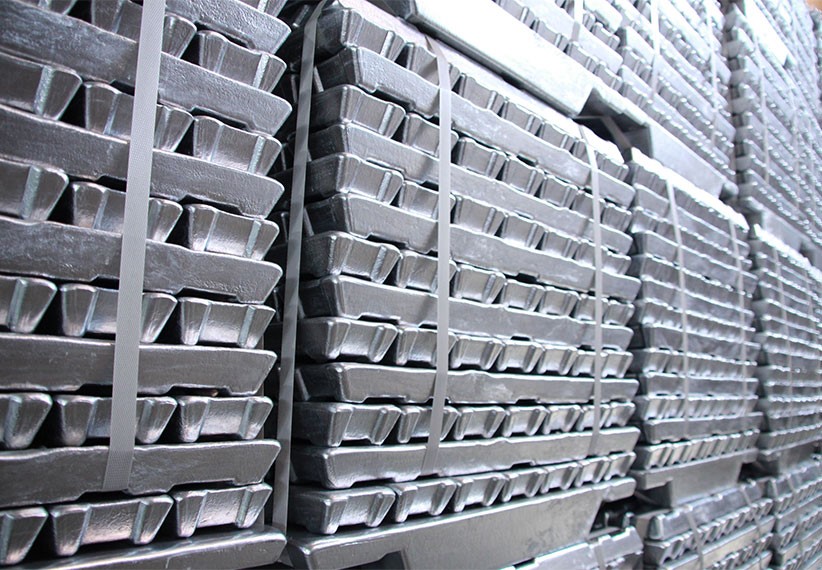
"Japanese premiums will likely drop further next quarter amid concerns over a global recession," said Yasushi Miyachi, manager of Sumitomo's light metals trading team.
Russia was the second-biggest supplier of primary aluminium to Japan in 2021, providing 237,777 tonnes of the metal, which accounted for 17 per cent of Japan’s total imports.
Japan is Asia’s biggest aluminium importer, and the premiums it agrees to pay over the LME cash price each quarter set a benchmark for the region.
Japan’s aluminium premiums for the third quarter of 2022 decreased by US$24 a tonne from US$172 per tonne in the April-June quarter and shrank by US$29 a tonne from US$177 per tonne in January-March, owing to weak demand in the automobile sector and rising local inventory.
The premiums are seen to record a downtrend in the present quarter compared to the previous, owing to the ease of the LME aluminium prices in recent months. It shed 40 per cent since a record high of US$4,073.50 per tonne in early March to around US$2,400 per tonne in mid-August.
_0_0.gif)
Sumitomo has projected the LME aluminium price will range between US$2,300 per tonne and US$2,700 per tonne at the end of the year and US$2,400 per tonne and US$3,000 per tonne next year. It also predicts the global aluminium market will face a 412,000 tonnes deficit this year and a 125,000 tonnes surplus next year.
"Higher smelting costs to reflect soaring energy prices will support aluminium prices, but a potential slowdown in demand due to tightening monetary policy around the world will cap gains," Miyachi said.
Responses