05 SEPTEMBER 2014www.bdlive.co.za
Smelters need support to survive
Edited by : AL CIRCLE
2 min read

Smelters and foundries need support if they are to survive. As a start, Eskom has to sort out its electricity supply problems, and government’s R4-trillion infrastructure plan needs to get under way soon.
Better still, the private sector should be encouraged to provide more traditionally sourced energy.
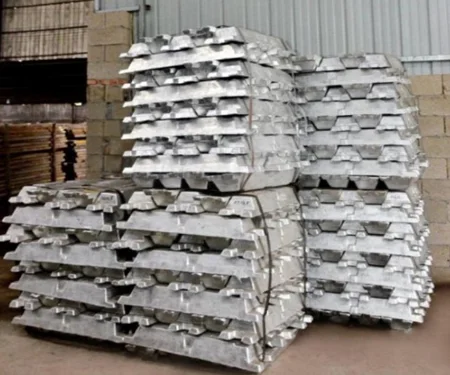
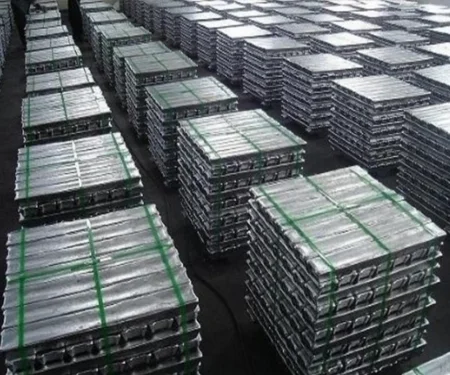
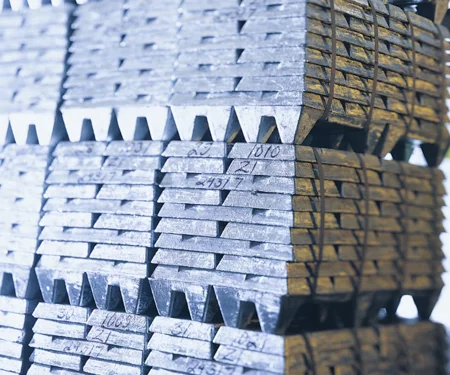
BHP Billiton has turned off its Bayside aluminium smelter in KwaZulu-Natal. Smelting costs too much, even though the company has a hugely preferential electricity pricing agreement with Eskom.
Bayside, BHP Billiton’s Hillside aluminium smelter and the Mozal smelter near Maputo in Mozambique together used about 9% of South Africa’s total electricity output.
A chunk of state infrastructure funding is being spent on building new energy capacity — mainly the delayed Medupi and Kusile coal-fired power stations, but also the Ingula hydropower project in KwaZulu-Natal.
The manufacturing sector is under pressure from strikes, above-inflation wage and increases in administered price, as well as poor maintenance and development of infrastructure.
Smelters and foundries cannot run without a consistent supply of competitively priced electricity or gas to produce common metals such as aluminium and cast iron. Sasol’s monopoly on gas pricing adds to these competitive woes.
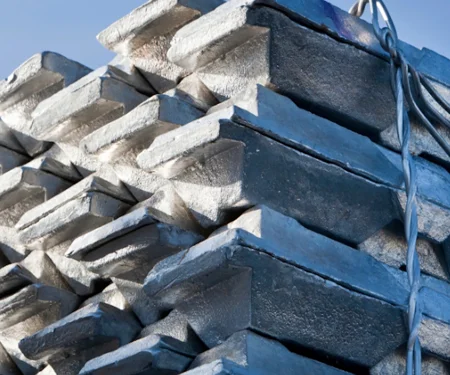
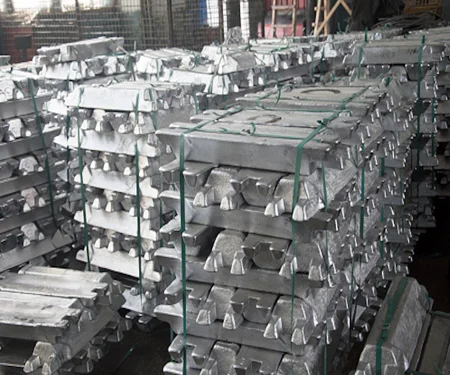
Smelters produce large volumes of molten metals from ores and downstream foundries process scrap metals. These processes make an array of products for industries including aerospace, electrical engineering, transport, containers and packaging and, especially, construction.
Better still, the private sector should be encouraged to provide more traditionally sourced energy.
BHP Billiton has turned off its Bayside aluminium smelter in KwaZulu-Natal. Smelting costs too much, even though the company has a hugely preferential electricity pricing agreement with Eskom.
Bayside, BHP Billiton’s Hillside aluminium smelter and the Mozal smelter near Maputo in Mozambique together used about 9% of South Africa’s total electricity output.
A chunk of state infrastructure funding is being spent on building new energy capacity — mainly the delayed Medupi and Kusile coal-fired power stations, but also the Ingula hydropower project in KwaZulu-Natal.
The manufacturing sector is under pressure from strikes, above-inflation wage and increases in administered price, as well as poor maintenance and development of infrastructure.
Smelters and foundries cannot run without a consistent supply of competitively priced electricity or gas to produce common metals such as aluminium and cast iron. Sasol’s monopoly on gas pricing adds to these competitive woes.
Smelters produce large volumes of molten metals from ores and downstream foundries process scrap metals. These processes make an array of products for industries including aerospace, electrical engineering, transport, containers and packaging and, especially, construction.
Unlock full access – sign up for FREE.
Key benefits
Find exclusive data-driven insights and in-depth analysis
Get our daily newsletter delivered straight to your inbox
Access real-time and historical price trends from global indices
Post and respond to latest business leads
Stay ahead with alerts on learning tools
...and so much more!SIGN UP / LOGIN
Previous article
Japan aluminium buyers to pay record high premiums driven by supply cut
Next articleAluminium up by 0.2% on global trends
Grow with
AL Circle