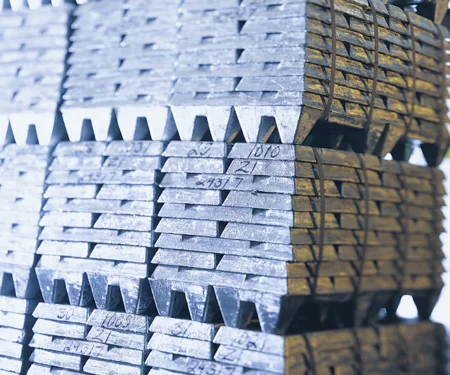
Shandong Group to build an integrated aluminium park in Saudi – is the kingdom next bet for China after Indonesia?

China has long capped its domestic primary aluminium production at 45 million tonnes, a ceiling designed to curb industrial emissions and contain environmental risk. In 2025, it finished the year with 88.2 million tonnes of alumina and around 44 million tonnes of primary aluminium, in line with the industry’s two-to-one production ratio.
But as that cap presses tighter, Chinese companies are not slowing down. Instead, they are shifting strategy - pushing capital, technology and industrial muscle overseas so that aluminium keeps flowing, even if it is increasingly produced on other people’s soil. And in this expanding map, Indonesia has already become the central pillar, while China’s projects in Saudi Arabia - only a handful tied to aluminium so far - leave open the question of whether the kingdom will be next aluminium hub for China.
A new frontier: Saudi Arabia?
Unlock full access – sign up for FREE.
Key benefits
Alba hits 2025 production target with record output despite operational disruption
Next articleInner Mongolia approves relocation of primary aluminium capacity from Henan
Grow with
AL Circle