Rusal approves the updated climate strategy until 2032 with a perspective up to 2050

The Board of the Russian aluminium giant and one of the world’s leading aluminium producers, Rusal, has approved the updated climate strategy until 2032 with a perspective up to 2050.
The updated climate strategy was adopted at the Rusal Board of Directors meeting in Krasnoyarsk. The Strategy is divided into two scenarios: basic and intensive, each of which defines a strict framework for achieving the company's decarbonization goals.
Rusal plans to reduce greenhouse gas emissions intensity per tonne of metal from all production facilities (Scope 1, Scope 2 - direct and indirect energy emissions) by at least 25 per cent by 2032 and by at least 47 per cent by 2050, compared to 2018, excluding the effect from carbon emissions neutralization projects. This reduction is in line with the most conservative baseline scenario.
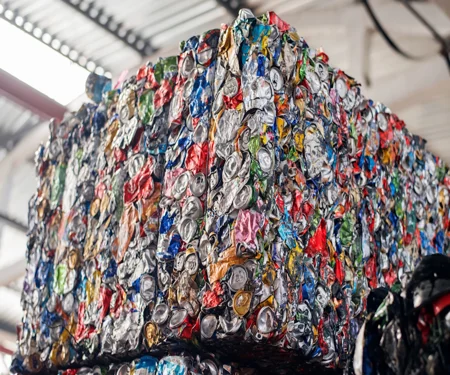
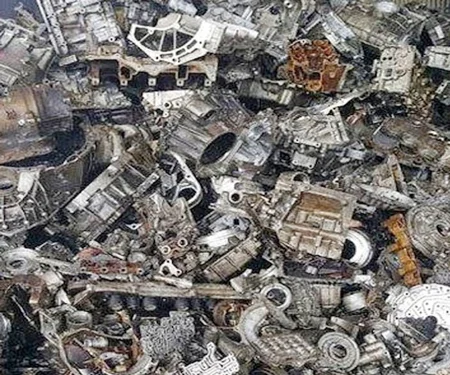
The company intends to meet the strategy's objectives by implementing advanced electrolysis technologies, improving energy efficiency at all stages of production, transitioning its enterprises to carbon-free energy sources, and implementing circular economy principles (expanding the use of aluminium scrap).
Evgenii Nikitin, the General Director of Rusal, said, "It is important that all the targets announced in our Climate Strategy are related to technological decarbonization projects, including one of Rusal's key projects – the ecological modernization of the largest Siberian aluminium smelters, which is important not only for a fundamental improvement in quality life in the cities of the company's responsibility but also as our contribution to the fight against global climate change."
Five eminent institutions bearing invention flags in the aluminium industry
Next articleLME aluminium price grows slightly by US$2.5/t; SHFE also hikes reaching at US$2673/t
Grow with
AL Circle