Rio Tinto’s aluminium production drops 2% YoY in 2019 on lower volumes at ISAL
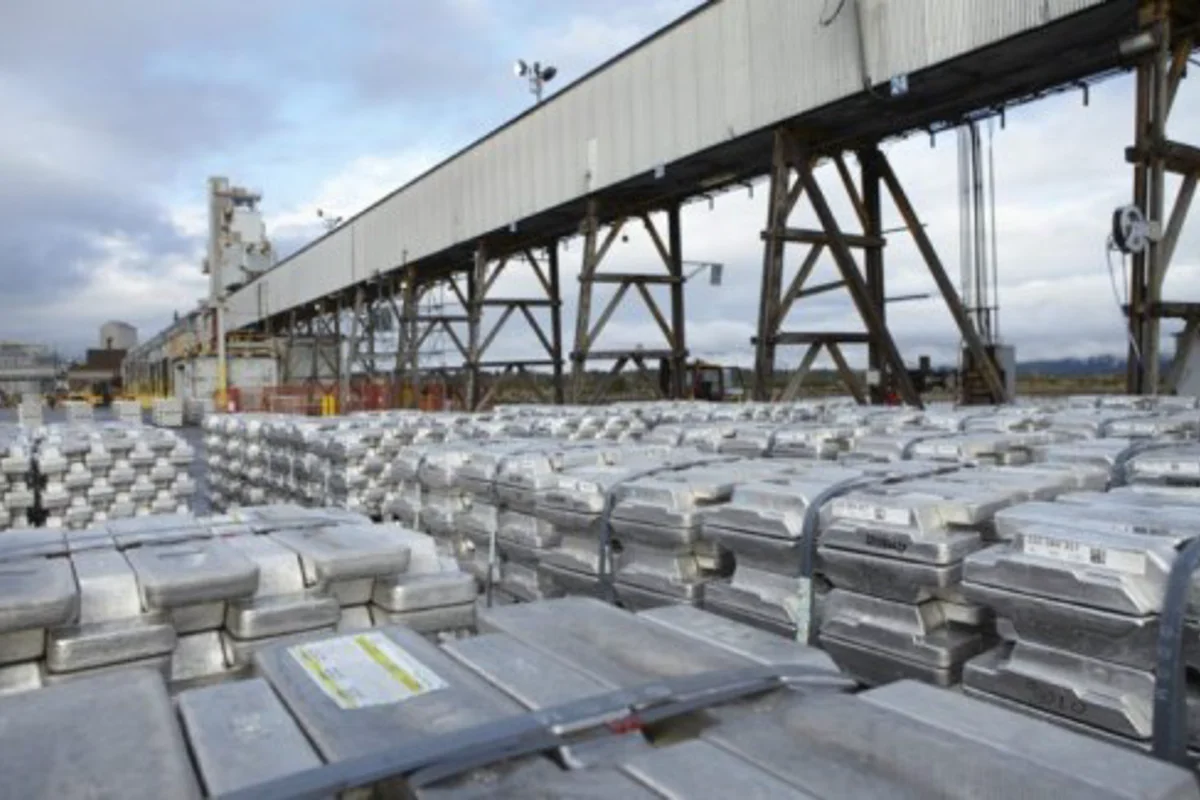
Rio Tinto’s aluminium production stood at 3.2 million tonnes in 2019, down 2% year-on-year, primarily reflecting a preventive safety shutdown of one of the three pot-lines at ISAL and earlier than planned pot relining at Kitimat.
“Excluding the non-managed Becancour operation where a lock-out constrained operations, the Quebec and Pacific smelters performed well, with aluminium production for 2019 1% higher than 2018, reflecting continued productivity improvement. The restart of Becancour is progressing well, with full ramp-up expected by mid-2020,” Rio Tinto said.
<iframe width="550" height="300" src="https://www.youtube.com/embed/9mNLmoaJmf0" frameborder="0" allow="accelerometer; autoplay; encrypted-media; gyroscope; picture-in-picture" allowfullscreen></iframe>
In the fourth quarter of 2019, the output dropped 4% year-on-year and 1% quarter-on-quarter to 783,000 tonnes.
Rio’s production from Quebec and Pacific smelters stood 1% higher than the same period last year. The ISAL smelter was ramped back up and maintained at about 85% of capacity after the preventive pot-line shutdown. Kitimat smelter continues to be impacted by earlier than planned pot-lining replacement.

“The aluminium industry continues to face challenging conditions in global markets and policy uncertainty, reflected in low industry profitability. We continue to actively work on enhancing the competitiveness of our smelters, including discussions with stakeholders on energy pricing, to ensure the sustainability and global competitiveness of our Pacific smelters,” Rio Tinto.
Rio Tinto’s expected share of aluminium production in 2020 is between 3.1 and 3.3 million tonnes.
A00 aluminium price ends the week higher at RMB14550/t; Aluminium alloy (A356) price up by RMB400/t
Next articleChina recorded its first aluminium production fall in 10 years in 2019
Grow with
AL Circle