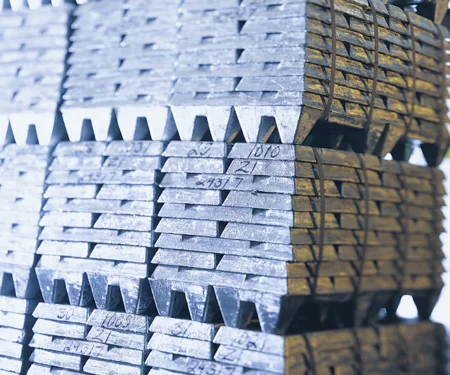
Pontianak branch optimises Kijing Terminal activities to boost bauxite trade
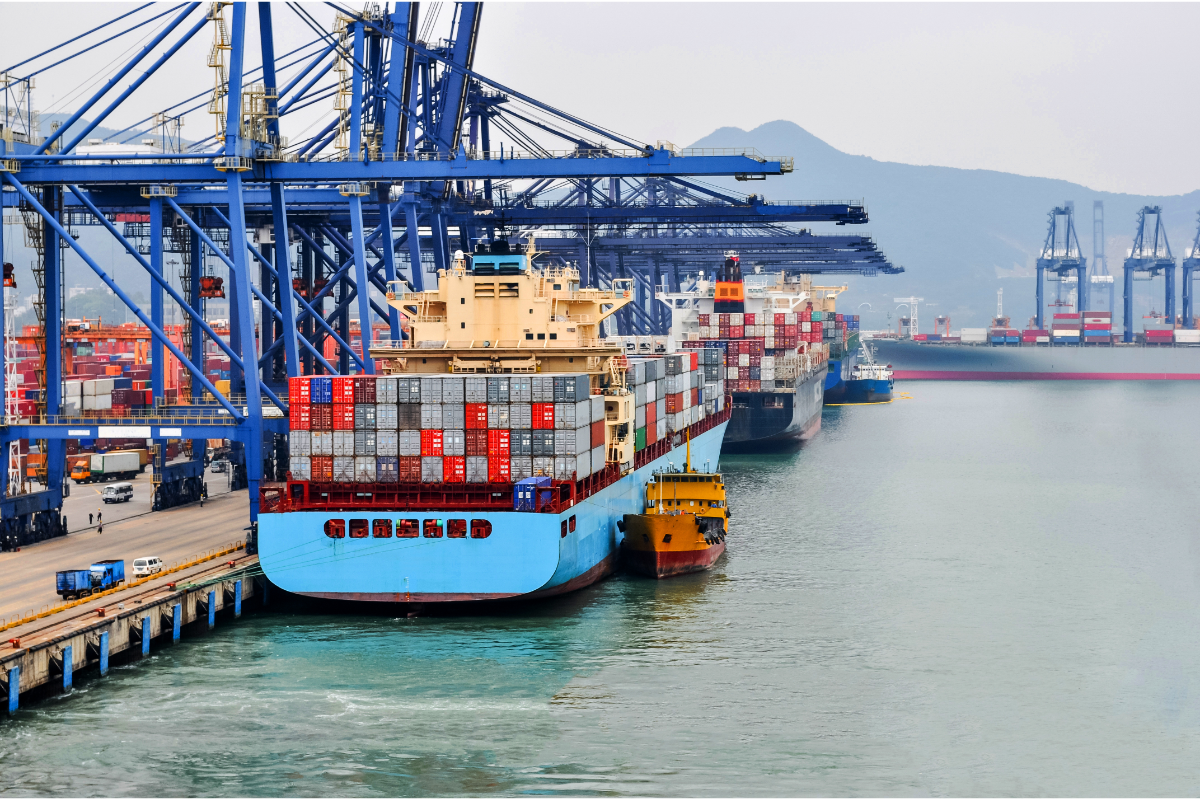
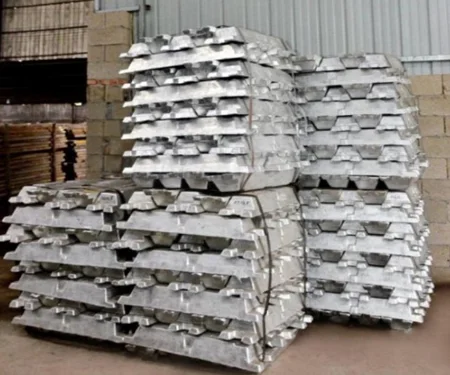
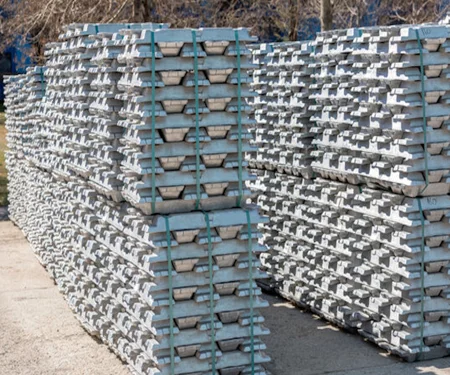
Stock image for referential purposes only
Through its Pontianak branch, PT Pelabuhan Tanjung Priok (PTP Nonpetikemas) is steadily progressing the process of strengthening the role of the Kijing Terminal into an essential logistics hub for West Kalimantan. The move reflects a major step towards reinforcing supply chain movement with smooth cargo flows and import-export activities, boosting the regional bauxite trade.
Since the beginning of its operations in August 2022, the Kijing Terminal in Mempawah Regency has gradually developed itself into a reliable base for non-containerised cargo services for bauxite shipment. The trend of operational performance at the port has been improving year-on-year, with increasing volumes, indicating stronger trade movement of alumina and aluminium downstream business across the region.
Explore- Most comprehensive and forward-looking industry-focused report — Global Bauxite & Alumina Market Forecast to 2036: Supply–Demand, Trade Flows & Price Outlook
Significance of location
Its location, close to the Strait of Malacca, offers the Terminal strategic significance. This positioning makes it easier to connect with major global routes, helping local commodities, especially from mining and plantations, reach wider markets more efficiently.
An instance of the same appeared in April 2026, when the terminal resumed activities of dry bulk bauxite handling. The barge BG Bahari 30073 unloaded 6,530 tonnes (approx.) from April 19 to April 21. It highlights the terminal’s crucial role in supporting Indonesia’s aluminium value chain, especially with the increasing demand for raw materials in the market.
Operational advantages
From an operational standpoint, the terminal is built in a way to handle a large berthing capacity. It can accommodate vessels of up to 100,000 DWT and berth more than 15 ships at once. Equipment upgrades and better asset deployment, such as cranes and cargo-handling tools, have also helped improve turnaround times and overall efficiency.
Suwanda, Branch Manager of PTP Nonpetikemas Pontianak, emphasised the importance of the Kijing Terminal not just in moving goods, but in strengthening the broader logistics network. "Kijing Terminal is the economic lifeblood of West Kalimantan, not only supporting the smooth flow of goods but also strengthening the national logistics ecosystem. We continue to optimise services to support the export of superior commodities and maintain supply chain resilience," he stated.
This is evident in the quarterly output. In the first quarter of 2026, total throughput reached around 1.5 million tonnes. Dry bulk cargo led the way with 845,000 tonnes, followed by liquid bulk at 662,000 tonnes. Notably, both segments exceeded their targets, dry bulk by 223 per cent and liquid bulk by 168 per cent. At the same time, the bag cargo achieved 93 per cent of its goal.
Bauxite, coal and alumina continue to drive the cargo movement, which highlights the port’s connection to Indonesia’s resource-driven industries. The terminal is also reinforcing major projects like the Smelter Grade Alumina Refinery (SGAR), helping move critical materials and keep industrial plans on track.
On the technology side, the rollout of the Pelindo Terminal Operating System Multipurpose (PTOS-M) system has further streamlined operations. It allows better planning and implementation along with real-time monitoring of cargo handling, making processes more transparent and efficient.
Don't miss out- Buyers are looking for your products on our B2B platform
Social services and sustainability push
Beyond logistics, through its social programmes, PTP Nonpetikemas is collaborating with local communities as it advances a Social and Environmental Responsibility (TJSL) programme. The objective is to foster human resource development and empowerment by offering training, certifications and skill development to improve job readiness and safety standards.
Suwanda emphasised the dedication of PTP Non-container Pontianak Branch in offering reliable and sustainable operational services, mentioning, “We are committed to continuously improving the quality of our loading and unloading services by prioritising safety, efficiency, and facility reliability. We will continue to promote Kijing Terminal as a major logistics hub in West Kalimantan.”
With a dual goal of delivering optimal services for loading and unloading operations and improving logistics connectivity and export competitiveness by boosting the regional economy, the role of Kijing Terminal is gaining importance in strengthening industrial bases, the aluminium downstream market, as well as the domestic socio-economic growth.
Must read: Key industry individuals share their thoughts on the trending topics

New rail line proposed linking Sijimali and Kutrumali bauxite hills in Odisha
Next articleMonthly bauxite imports hit record high; Guinea policy remains uncertain but market sentiment has eased
Grow with
AL Circle