Mexico’s tariff hike to squeeze a swathe of Indian auto, electronics and other major exports
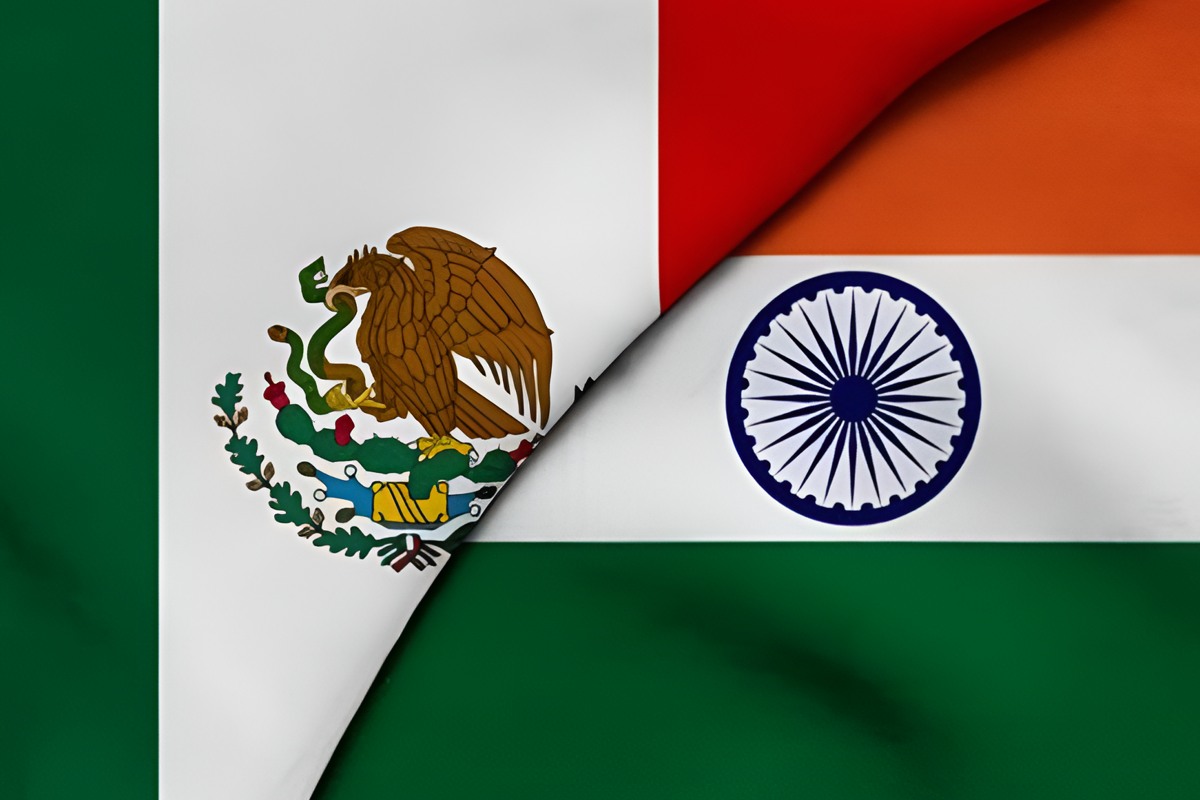
India’s exporters are bracing for a setback after Mexico approved a sweeping rise in import tariffs that analysts say could disrupt nearly three-quarters of India’s shipments to the country in the coming financial year.
Explore- Most accurate data to drive business decisions with 50+ reports across the value chain
The decision was cleared by Mexico’s Senate on December 11 and approved by both chambers of Congress. From January 1, 2026, Mexico will levy higher duties, typically ranging from about 5 per cent to as much as 35 per cent, on imports from countries without a free trade agreement. India is among those affected.
The move is likely to reshape the business case for Indian firms in Mexico, particularly in sectors that have spent years building integrated supply chains connected to North America.
Automobiles and auto components, India’s largest export segment to Mexico, are expected to bear the impact. Passenger vehicle exports, valued at USD 938.35 million in FY2025, will see tariffs rise from 20 per cent to 35 per cent.
According to the Global Trade Research Initiative, the higher tariffs will weaken price competitiveness in a market guided by USMCA sourcing rules. Auto component exports valued at USD 507.26 million are also at risk, with industry voices warning of serious disruption to supply chains spanning India, Mexico and the US.
"Tariffs rise steeply from 10-15 per cent to 35 per cent, disrupting India's deep integartion into Mexico-based automotive supply chains that serve the US market. Motorcycles, another Indian stronghold with exports of USD 390.25 million, see duties increase from 20 per cent to 35 per cent, threatening volumes, margins and brand presence for Indian manufacturers," GTRI Founder Ajay Srivastava said.
Electronics exports are also under pressure. Smartphone shipments worth USD 284.53 million in FY2025 now face tariffs of up to 35 per cent, raising concerns of lost market access just as volumes were picking up. Industrial machinery exports, valued at USD 447.99 million, will experience a staggering duty hike from 5-10 per cent to as high as 25 to 35 per cent, which is surely going to push up costs, especially in the price-sensitive segments.
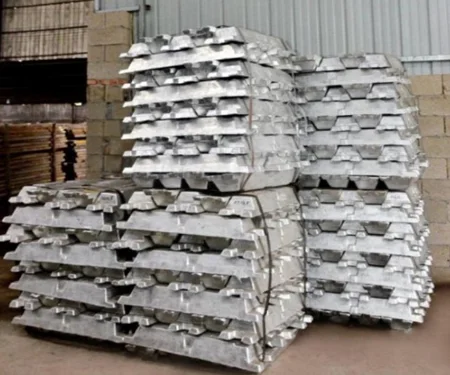
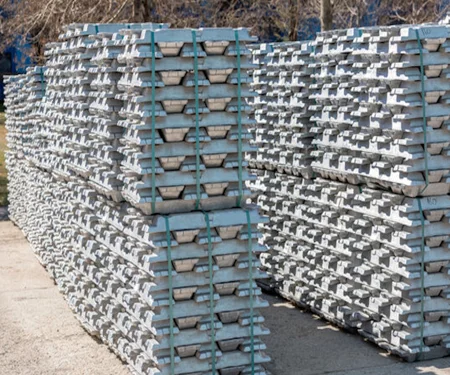
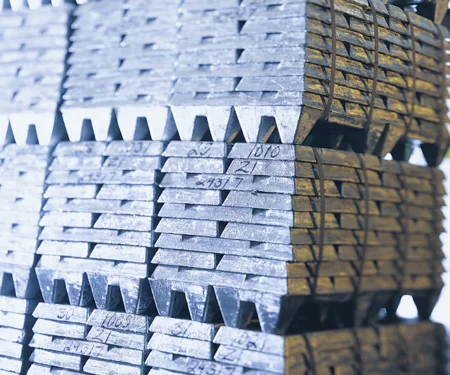
Metals exporters are facing particularly steep increases. Aluminium shipments, valued USD 383.25 million, will feel the burn of tariff hikes. India’s position against regional suppliers and those based within the USMCA bloc will somewhat get a jolt. Iron and steel exports, valued at USD 128.44 million, will also experience a duty hike from 15 per cent to 35 per cent, a move that exporters say could stall further expansion.
Trade bodies have voiced concern that the tariff escalation could undo years of incremental market-building. The Federation of Indian Export Organisations (FIEO) said the sharp rise in duties, in some cases up to 50 per cent on imports from India, is especially troubling for sectors such as automobiles, auto components, machinery, electricals and electronics, organic chemicals, pharmaceuticals, textiles and plastics.
According to GTRI, Mexico’s move effectively positions it as the second major economy after the United States to implement WTO-compliant tariff increases that disproportionately affect Indian exports, further straining an already challenging multilateral trade environment.
India’s total exports to Mexico stand at just USD 2.9 billion, roughly half the value of Mexico’s shipments to India. Yet the intensity of the tariff action means its impact is concentrated and severe, threatening to erode competitiveness across multiple sectors simultaneously.
Industry voices say the move highlights the need for India to push for a comprehensive trade pact with Mexico, warning that exporters could gradually lose ground in a market built over years. GTRI notes that electronics and machinery are especially exposed due to their price sensitivity. For many exporters, Mexico’s tariff reset is being seen as a lasting change to market access rather than a short-term disruption.
Don't miss out- Buyers are looking for your products on our B2B platform

EU’s EV policy whiplash: Ford CEO worried about European automotive future
Next articleAluminium Christmas trees take centre stage at Manitowoc Public Library
Grow with
AL Circle