Financial Times
JPMorgan reduces aluminium stockpile at LME
Edited by : AL CIRCLE
3 min read

JPMorgan Chase has quietly reduced its multibillion-dollar stockpile of aluminium as the London Metal Exchange moves to introduce new rules on the reporting of outsized positions.
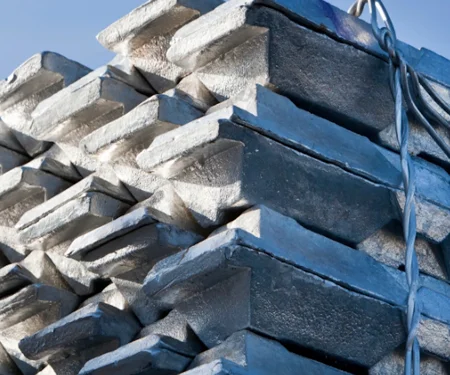
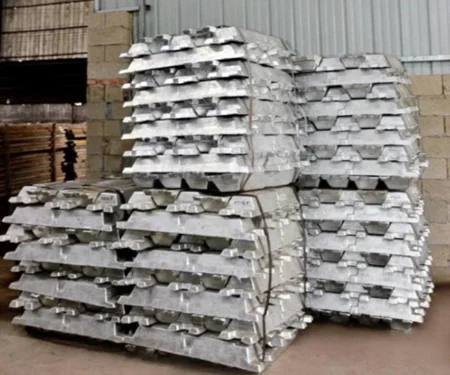
Until last week, one party - identified as JPMorgan by traders, brokers and warehouse owners - was holding more than half of the 2.8 million tonnes of aluminium in the LME system. The size of that position has now fallen to between 30 and 40 per cent as of March 23, according to exchange data.
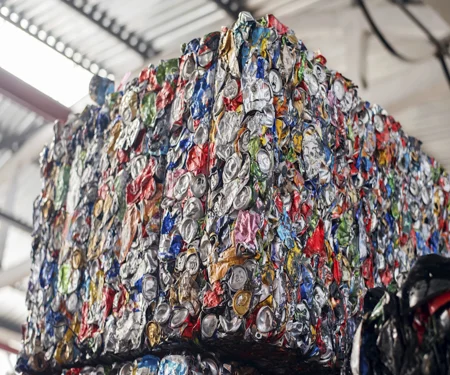
The bank’s holding, which at its height could have covered 40 years of Coca-Cola’s UK drinks can demand, has been the source of much disquiet in London’s tight-knit metal market. The position, which is not against LME rules, has been blamed by some brokers for pushing up the price of near-term contracts, even though the aluminium market is burdened with a massive overhang of stock.
The LME is working on a proposal that will force the owners of concentrated positions to report their holding and explain why they are holding so much metal.
The 139-year-old exchange claims the new rules are a response to moves by EU policymakers to push through new financial markets legislation that could impose position limits on the number of commodity derivatives contracts held by trading houses. Traders reckon it is also a shot across the bows of exchange participants.
“This will probably promote more cautious trading strategies,” said analysts at Standard Chartered in a report published earlier this week.
Banks’ activities in physical commodity markets have come under increased regulatory scrutiny over the previous years. JPMorgan has said it trades metals only on behalf of clients, having sold the majority of its physical commodities business to Swiss trading house Mercuria 18 months ago.
Through large positions in LME futures contracts, traders and analysts say the bank was able to get metal at a cheaper price than would be available on the spot market. This is achieved by pressuring people on the other side of the trade to deliver their metal on to the exchange rather than roll or extend their positions.
“This strategy has worked well,” Standard Chartered said, noting that on-warrant stocks of the metal on the LME rose between November and mid-March to their highest levels since mid-2014.
Since April 2014 on seven separate occasions, exchange data show, one party accumulated aluminium futures positions equal to 20-40 per cent of the contract closest to delivery. By taking these contracts to delivery and refusing to sell, a party can contribute to pushing spot prices above those for later months. This is a market structure known as backwardation which makes it more expensive to roll short positions.
In response to a question about the drop in the dominant position, an LME spokesperson said: “The LME looks to ensure that all positions are managed in an appropriate manner such that they do not exert any undue influence upon the price discovery mechanism of the market.”
Until last week, one party - identified as JPMorgan by traders, brokers and warehouse owners - was holding more than half of the 2.8 million tonnes of aluminium in the LME system. The size of that position has now fallen to between 30 and 40 per cent as of March 23, according to exchange data.
The bank’s holding, which at its height could have covered 40 years of Coca-Cola’s UK drinks can demand, has been the source of much disquiet in London’s tight-knit metal market. The position, which is not against LME rules, has been blamed by some brokers for pushing up the price of near-term contracts, even though the aluminium market is burdened with a massive overhang of stock.
The LME is working on a proposal that will force the owners of concentrated positions to report their holding and explain why they are holding so much metal.
The 139-year-old exchange claims the new rules are a response to moves by EU policymakers to push through new financial markets legislation that could impose position limits on the number of commodity derivatives contracts held by trading houses. Traders reckon it is also a shot across the bows of exchange participants.
“This will probably promote more cautious trading strategies,” said analysts at Standard Chartered in a report published earlier this week.
Banks’ activities in physical commodity markets have come under increased regulatory scrutiny over the previous years. JPMorgan has said it trades metals only on behalf of clients, having sold the majority of its physical commodities business to Swiss trading house Mercuria 18 months ago.
Through large positions in LME futures contracts, traders and analysts say the bank was able to get metal at a cheaper price than would be available on the spot market. This is achieved by pressuring people on the other side of the trade to deliver their metal on to the exchange rather than roll or extend their positions.
“This strategy has worked well,” Standard Chartered said, noting that on-warrant stocks of the metal on the LME rose between November and mid-March to their highest levels since mid-2014.
Since April 2014 on seven separate occasions, exchange data show, one party accumulated aluminium futures positions equal to 20-40 per cent of the contract closest to delivery. By taking these contracts to delivery and refusing to sell, a party can contribute to pushing spot prices above those for later months. This is a market structure known as backwardation which makes it more expensive to roll short positions.
In response to a question about the drop in the dominant position, an LME spokesperson said: “The LME looks to ensure that all positions are managed in an appropriate manner such that they do not exert any undue influence upon the price discovery mechanism of the market.”
Unlock full access – sign up for FREE.
Key benefits
Find exclusive data-driven insights and in-depth analysis
Get our daily newsletter delivered straight to your inbox
Access real-time and historical price trends from global indices
Post and respond to latest business leads
Stay ahead with alerts on learning tools
...and so much more!SIGN UP / LOGIN
Previous article
India Aluminium futures weaken on global cues
Next articleChina aluminium at 5-month high after Head of Govt says economy stabilizing
Grow with
AL Circle