Japan’s aluminium industry in 2024 has been a tale of two contrasting trends—rising primary aluminium imports but weakening domestic demand. While imports grew by 1.9 per cent to 1.05 million tonnes, domestic consumption continued to decline, especially in key sectors such as construction and automotive.
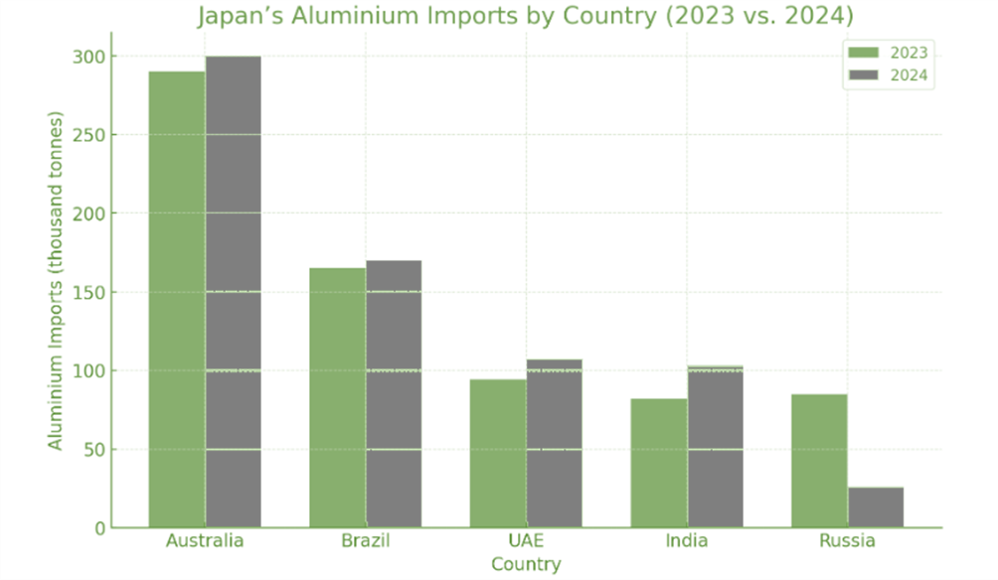
Japan’s import landscape saw significant shifts in 2024. Australia remained the country’s top supplier, exporting nearly 300,000 tonnes and accounting for over 28 per cent of total imports. Brazil followed with 170,000 tonnes, representing 16 per cent of imports. However, the most striking changes were in shipments from the UAE and India, which increased sharply, offsetting the steep drop in Russian supplies.
- India’s aluminium exports to Japan surged by 25 per cent to 103,000 tonnes.
- The UAE increased shipments by 14 per cent to 107,000 tonnes.
- Russian aluminium exports plummeted by nearly 70 per cent to just 26,000 tonnes.
The drastic decline in Russian aluminium imports came after Japan imposed restrictions on certain Russian aluminium products in April 2023. This void was quickly filled by alternative suppliers, particularly India and the UAE, reflecting Japan’s strategy to diversify its sourcing amid geopolitical uncertainties.
Weak domestic demand weighs on the market
Despite an increase in primary aluminium imports, domestic demand in Japan remained sluggish. The building and construction sector saw a sharp 7.7 per cent decline in aluminium consumption, dropping below 350,000 tonnes between January and November 2024. Similarly, the automotive industry—a major aluminium consumer—registered a 4.1 per cent contraction, with demand falling to 1.45 million tonnes.
Overall, Japan’s total aluminium consumption for January-November 2024 stood at 3.35 million tonnes, marking a 3.3 per cent year-on-year decline. This reflects broader economic pressures, including slowing infrastructure projects and weaker automobile production, possibly linked to supply chain disruptions and subdued consumer demand.
Secondary aluminium and scrap markets declined
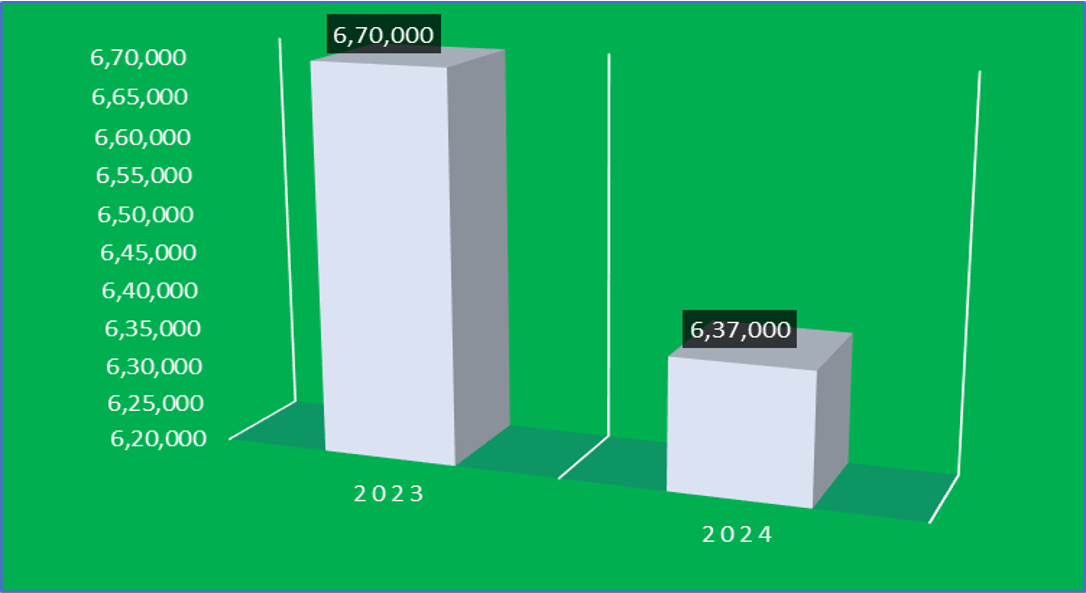
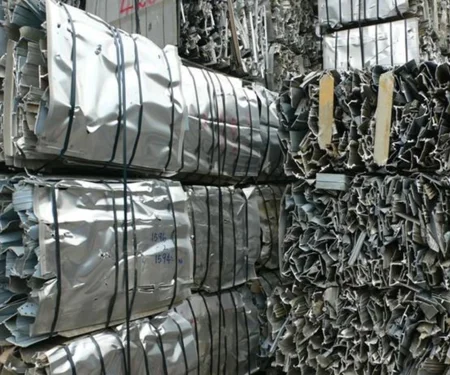
The slowdown was not limited to primary aluminium. Japan’s secondary aluminium production also dropped by 4.9 per cent, falling to 637,000 tonnes from 670,000 tonnes in 2023. Consequently, aluminium scrap imports declined by 5.3 per cent to 85,000 tonnes, indicating lower recycling activity and reduced manufacturing output.
Japan: Secondary aluminium production 2023 Vs 2024 (in 000 tonnes)
Key insights and market outlook
- Japan’s import strategy is evolving – With Russian supplies dwindling, India and the UAE have emerged as crucial alternative sources.
- Demand challenges persist – Weak performance in key industries such as automotive and construction is holding back overall aluminium consumption.
- Recycling sector slowdown – The decline in secondary aluminium production and scrap imports suggests reduced recycling efficiency, potentially due to weaker industrial activity.
Looking ahead
If domestic consumption remains under pressure, Japan may continue relying on imports to sustain its aluminium-intensive industries. However, an economic rebound in infrastructure and automotive sectors could change the trajectory in 2025.
Gain valuable insights into global primary and secondary aluminium production, regional market dynamics, and sector-wise consumption trends with the Global Aluminium Industry Outlook 2025. This comprehensive report also provides an in-depth forecast for 2025, offering a strategic perspective on the evolving aluminium industry worldwide.
Information & data source: BIGMINT