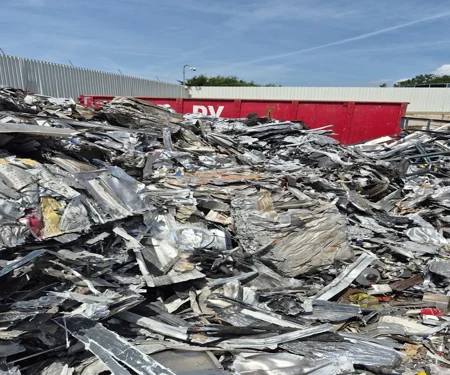
Iran’s aluminium ingot production records Y-o-Y hike of 23% to 318,091 tonnes

According to information provided by the Iranian Mines and Mining Industries Development and Renovation Organization (IMIDRO), production of aluminium ingot increased in Iran during the first half of the current Iranian calendar (March 21–September 22) by 23 per cent when compared to the same period in the previous year. As per the data from IMIDRO, 318,091 tonnes of aluminium ingot were produced in the first half of this year compared to 259,574 tonnes during the same period last year.
The first half of the current year saw South Aluminum Corporation (SALCO), one of the nation's four major producers, perform best, producing 137,351 tonnes of aluminium ingots. Iranian Aluminum Company (IRALCO) produces 88,111 tonnes, and Almahdi Aluminum Company produces 74,543 tonnes. And Iran Alumina Company, producing 18,086 tonnes of the product, followed.
The output of aluminium ingot in Iran increased 20 per cent over the previous Iranian calendar year 1400, which concluded on March 20, according to previously published statistics by IMIDRO.

IMIDRO statistics state that 538,633 tonnes of aluminium ingots were produced annually in 1400, compared to 446,836 tonnes in 1399 and 278,318 tonnes in 1398. Iranian Aluminum Company (IRALCO), one of the four major manufacturers in the nation, had the greatest year in the previous year, producing 177,058 tonnes of aluminium ingots, compared to 185,000 tonnes in the year before.
Based on the data from IMIDRO, South Aluminum Corporation (SALCO) produced 173,594 tonnes of aluminium ingots, Almahdi Aluminum Company produced 150,738 tonnes, and Iran Alumina Company produced 37,243 tonnes.

The nation's annual production of aluminium ingots was expected to rise 63 per cent in the previous year. According to Iranian officials, the nation's $22 billion aluminium industry is adequate to supply the nation's demands. Iran now ranks as the world's 18th-largest producer of aluminium. By the Iranian calendar year 1404, the nation aims to produce 1.5 million tonnes of aluminium ingot annually (March 2025-March 2026).
EGA pinpoints procurement opportunities costing UAE companies millions of dirhams to be produced locally
Next articleLME aluminium benchmark price slips to US$2,200.50/t; SHFE price moves down by US$6/t
Grow with
AL Circle