At the International Conference on Sustainable and Responsible Mining, Union Minister G. Kishan Reddy unveiled the Aluminium Vision Document, signaling a strategic shift in how India views and manages one of its most vital industrial resources.
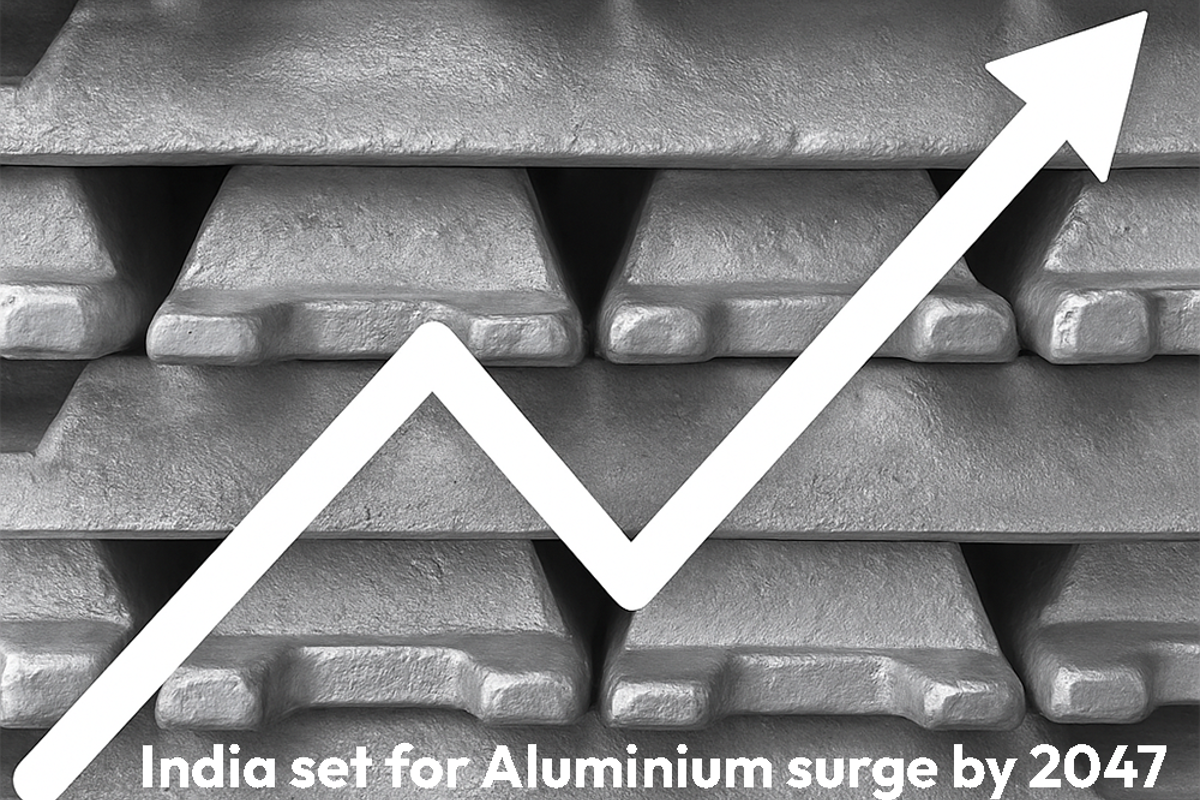
Framed within the broader Viksit Bharat 2047 vision, the roadmap lays out an ambitious plan to increase aluminium production nearly sixfold by the country’s 100th year of independence.
Despite being the world’s second-largest aluminium producer, India currently contributes only 6 per cent to the global output, underscoring a significant gap between capacity and potential. The new vision aims to bridge this gap not just by scaling production but by transforming aluminium into a central pillar of India’s sustainable development model.
Building capacity and securing resources
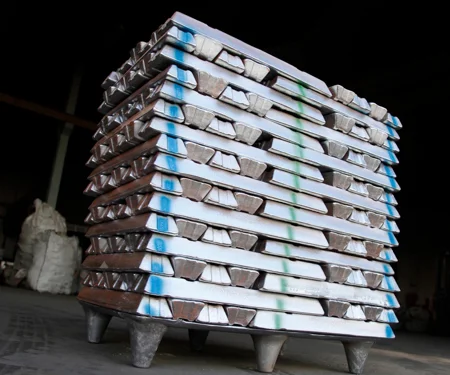
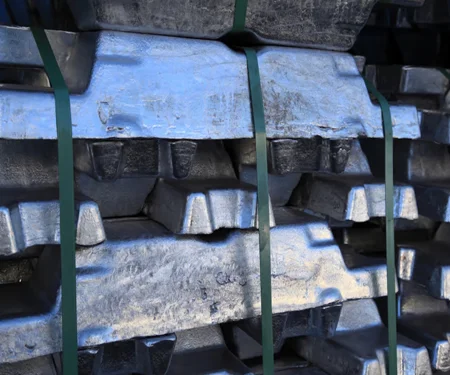
To meet rising domestic and global demand, the document outlines a plan to expand aluminium production from around 4.5 million tonnes per annum (mtpa) to nearly 37 mtpa by 2047, backed by an estimated INR 20 lakh crore (USD 241 billion) investment.
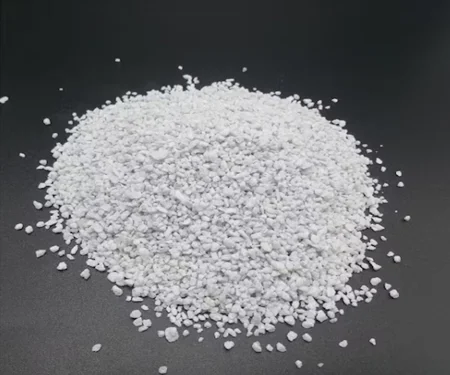
This growth is closely tied to ramping up bauxite mining, with production targets of 50mtpa by 2030 and 150mtpa by 2047.
India’s bauxite output in FY 2024–25 (April to February) stood at 22.7 million tonnes, reflecting modest growth and highlighting the country’s strong mineral base.
The roadmap also emphasises technological upgrades across the aluminium value chain, the adoption of low-carbon processes, and a shift toward a circular economy. One key initiative involves doubling the aluminium recycling rate, currently hindered by dependency on imported scrap.
The vision document also highlights the need for technological improvements across the production chain, a stronger focus on recycling, and the promotion of low-carbon technologies.
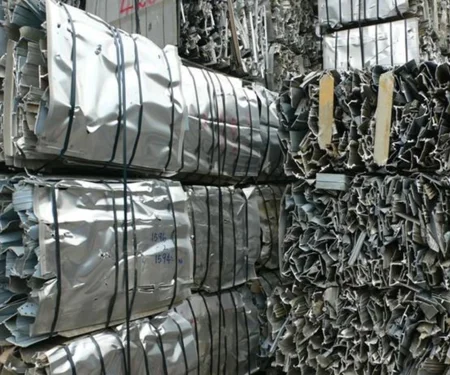
Structured recycling and scrap collection systems will be developed to double the country’s aluminium recycling rate, currently limited by a heavy reliance on imported scrap.
Industry response and stakeholder involvement
India’s total aluminium production in FY 2024–25 stood at 4.2 million tonnes, marking a continuation of the sector’s steady growth in recent years. This follows a production of 4.15 million tonnes in FY 2023–24, 4.07 million tonnes in 2022–23, 4.03 million tonnes in 2021–22, and 3.61 million tonnes in 2020–21.
Among the key contributors, Vedanta achieved a record annual aluminium production of 2.422 million tonnes in FY2025, reflecting a 2 per cent increase year-on-year, contributing 57.66 per cent of the country’s total output during the year. Its Lanjigarh refinery also reported a record quarterly alumina output in early FY 2026.
National Aluminium Company Limited (NALCO) posted its highest-ever cast metal production in FY 2023–24 at 463,428 tonnes, alongside a record bauxite excavation of 7.6 million tonnes.
Hindalco's aluminium production in FY 2024–25 was approximately 1.3 million tonnes, maintaining a stable output in line with its recent annual performance.
Several institutions have supported the development and implementation of the aluminium roadmap.
The Jawaharlal Nehru Aluminium Research Development and Design Centre (JNARDDC), operating under the Ministry of Mines, continues to play a crucial role in advancing indigenous technologies, waste management, and rare earth recovery.
Industry bodies such as the Aluminium Association of India (AAI), the Aluminium Secondary Manufacturers Association (ASMA), and the Metal Recycling Association of India (MRAI) are also active stakeholders, particularly in promoting responsible recycling and sustainable practices.
Aluminium and the Viksit Bharat Vision
The aluminium sector’s transformation is closely tied to the national goal of achieving Viksit Bharat by 2047—a vision that combines economic progress with social inclusion and environmental responsibility. As aluminium becomes indispensable to sectors like renewable energy, mobility, construction, and defence, India is poised to reposition itself as not just a major producer but a leader in responsible aluminium manufacturing.
The Aluminium Vision Document reflects more than an industrial plan; it captures the government’s intent to make aluminium a cornerstone of India’s future economy. With clear targets, strategic investments, and strong institutional backing, India’s aluminium journey promises to shape not just a sector, but a nation’s development trajectory.
Note: To feature your brand and share insights, contribute an article or interview in our forthcoming e-magazine "Sustainability & Recycling: Aluminium's Dual Commitment."