Indian automobile industry unlikely to recover in FY2021 from COVID19 impacts: CRISIL estimates
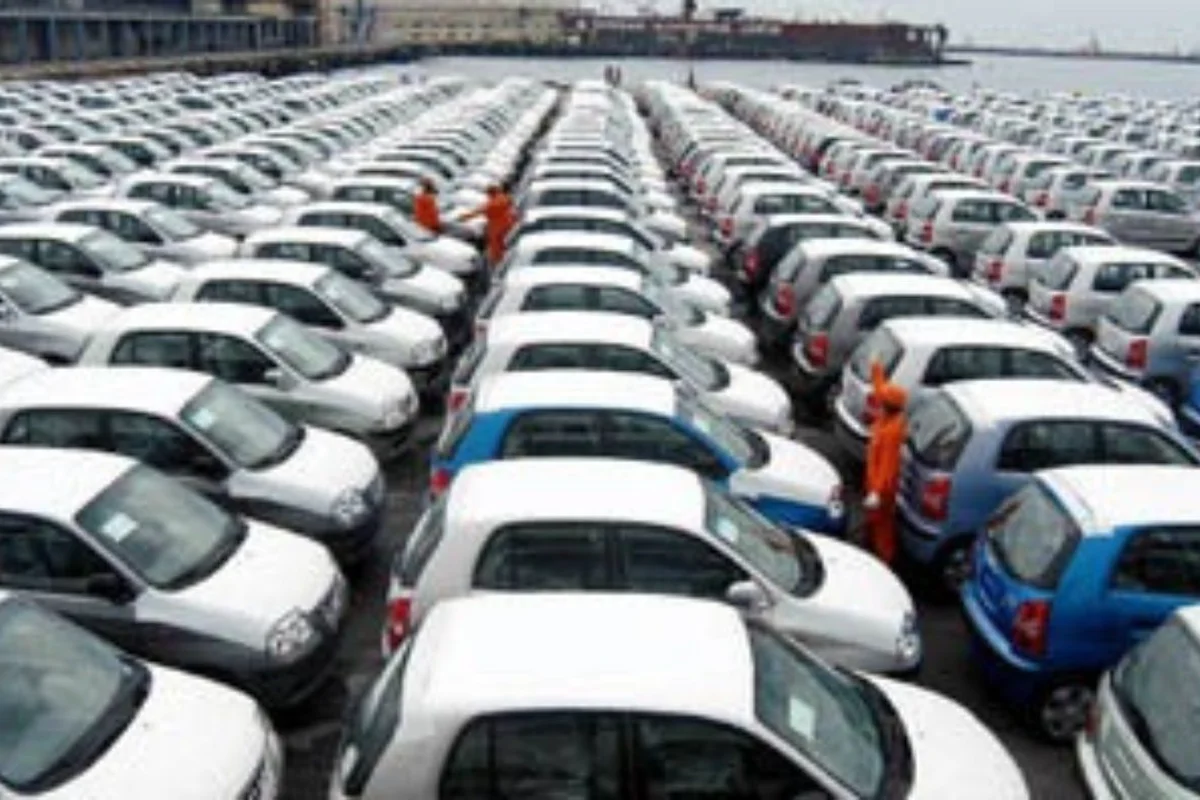
CRISIL estimates the Indian automobile industry, including components, to be less likely to recover in the financial year 2021 from the toll taken by the COVID19 outbreak. The rating firm noted the coronavirus outbreak might have two challenges. Earlier than anticipated closure of Regional Transport Offices (RTOs) can lead to unsold BS-IV inventory, and anticipated retail sales may result in higher-than-normal BS-VI inventory for large passenger vehicle OEMs at the start of the fiscal.
Remaining of sizeable inventory after one of the worst financial years in two decades in 2020 was already a burden on the automobile industry. A double-digit decline in sales and liquidity crisis in the second half of the year resulted in high inventory levels. Adding to it, demand shrank as a result of the faltered economy. Therefore, many OEMs took multiple production cuts to correct BS-IV inventory at the dealer level and to ensure a smooth transition to BS-VI regime.
However, it was expected that pre-buying in the last quarter of the fiscal would help in liquidating the BS-IV inventory. But the rapid rise of coronavirus cases in India in the last few days blew the retail sentiment and brought sales to a halt.
As per CRISIL’s interaction with dealers across India, the situation is more worrying for two-wheelers than for passenger cars, light commercial cars, and medium and heavy commercial vehicles.

CRISIL has listed the states that have been severely hit and those are Maharashtra, Karnataka, Odisha and Kerala. They have seen a 40-50 percent drop in footfalls, enquiries, and deliveries.
According to CRISIL, most OEMs in the passenger vehicle segment rationalised their BS-IV inventory by February-end and synchronised the launch of BS-VI variants. Larger ones also offloaded sound wholesale BS-VI inventory at the beginning of March to meet year-end targets, expecting higher retail volumes in March.
MIIT actively working on introducing stimulus policies to boost automobile consumption in China
Next articleNew-Generation Rolls-Royce Ghost equipped with aluminium platform spotted testing
Grow with
AL Circle