In a rapidly evolving global metals scene, the Indian aluminium sector has found itself at a critical juncture. The Aluminium Association of India (AAI) has formally called on the government to extend the Remission of Duties or Taxes on Export Products (RoDTEP) scheme for aluminium-producing units operating under Advance Authorisation (AA), Export Oriented Units (EOUs), and Special Economic Zones (SEZs). This intervention, as warned by the industry leaders, is essential to safeguard India’s export competitiveness and domestic manufacturing growth.
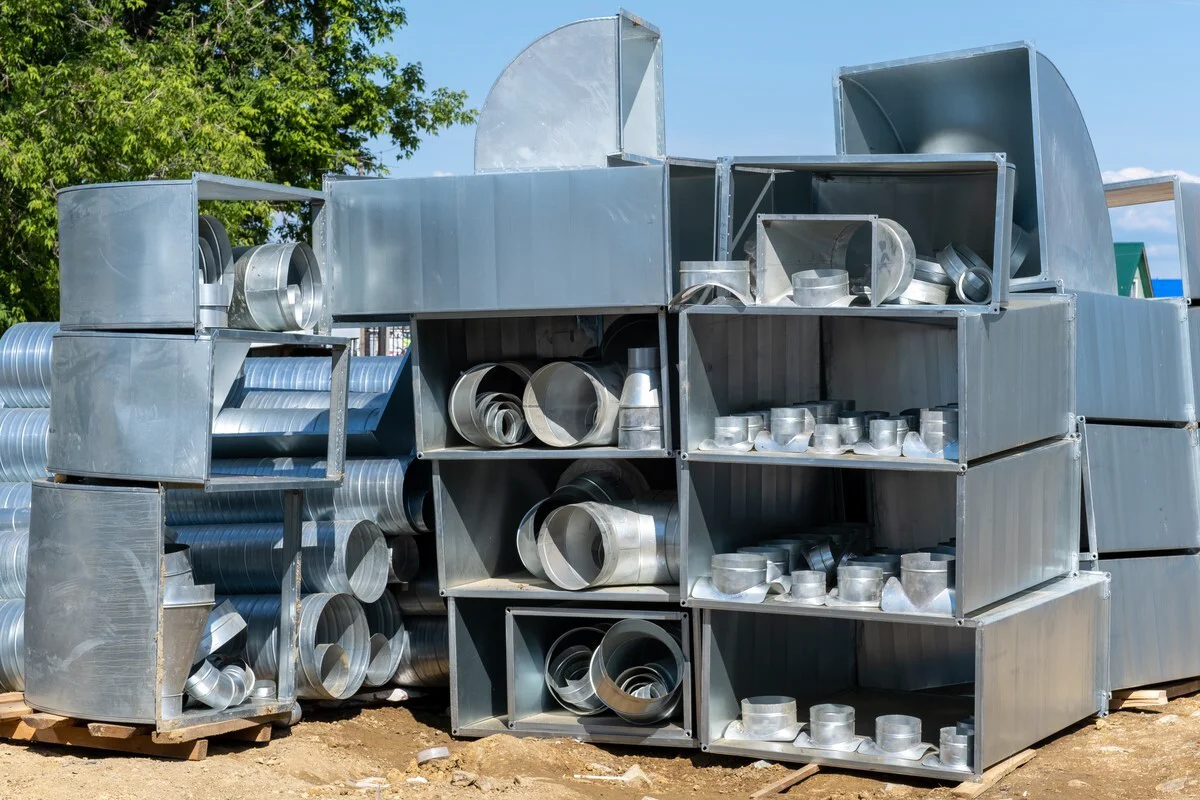
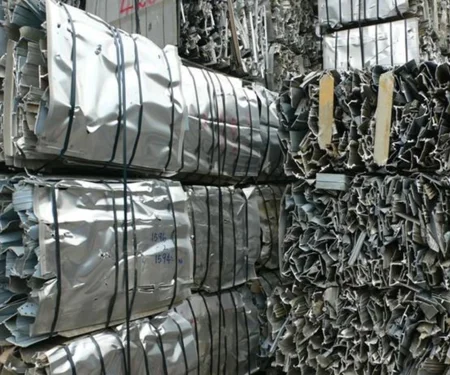
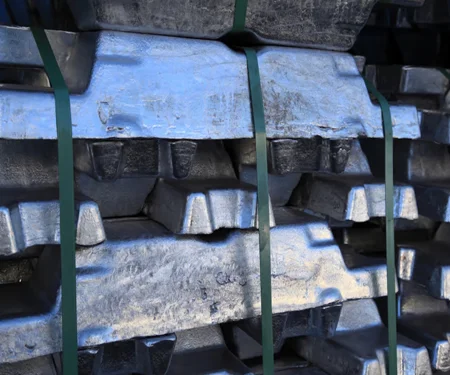
Image for representational purposes only
India ranks as the world’s second-largest producer of aluminium, boasting an impressive annual production capacity of 4.1 million tonnes and witnessing investments exceeding USD 20 billion in domestic manufacturing.
At present, close to 45 per cent of the country’s aluminium exports originate from units operating within AA, EOU, and SEZ frameworks. However, the recent withdrawal of RoDTEP eligibility for these units in February 2024 has sparked concerns over escalating production costs and diminishing global market share.
Additionally, in a detailed representation to Finance Minister Nirmala Sitharaman, the AAI has shared that aluminium units in these export-oriented zones face a compounded tax burden. Central and State levies add up to roughly 10 per cent of production costs, a figure that significantly impacts price competitiveness on the international stage.
“Without the RoDTEP benefits, our domestic producers risk losing not only market share but also vital employment opportunities, which could lead to far-reaching repercussions in the broader manufacturing landscape,” the AAI noted, echoing the body's sentiments which are simultaneously shared by industry experts and trade analysts alike.
Recent market analyses have indicated that any delay in extending the RoDTEP scheme could exacerbate the challenges faced by the Indian aluminium industry. Global aluminium prices have shown notable volatility over the past two years, and in such a climate, every percentage point of cost can determine whether an exporter remains competitive. Data from the International Aluminium Institute has brought forth that nations with robust tax relief frameworks have maintained or even increased their market share despite global price fluctuations.
Furthermore, industry reports suggest that export-oriented aluminium units contribute significantly to domestic value addition. The discontinuation of RoDTEP benefits not only jeopardises export volumes but also hampers the ability of these units to invest in modernisation and sustainability initiatives. With increasing international demand for environmentally friendly production processes, any reduction in competitiveness could deter further investment in green technologies—a setback at a time when sustainability is a crucial differentiator in global trade.
Leaders within the sector have been vocal about the need for immediate government action. A senior executive from one of the country’s leading aluminium smelters remarked, “The RoDTEP scheme has been a lifeline for our export operations. Extending it beyond February 2025 is not just a regulatory necessity — it is a strategic imperative that will determine our ability to innovate and compete globally.”
Such candid assessments reflect the urgency felt throughout the industry, as domestic players warn of potential production cuts and job losses if the scheme is not reinstated promptly.
Adding further weight to these concerns, a recent survey conducted by an independent industry watchdog found that over 70 per cent of aluminium manufacturers in the AA/EOU/SEZ categories believe that the absence of RoDTEP benefits could lead to a significant downturn in export volumes over the next two years.
The government’s earlier moves in March 2024 to notify RoDTEP rates for aluminium smelters, followed by an extension in September 2024, were seen as positive steps towards ensuring continuity. However, industry stakeholders now await a more definitive commitment that extends these benefits beyond February 2025. The successful extension of the RoDTEP scheme is viewed as pivotal—not only to maintain a level playing field for Indian exporters but also to stimulate further value addition within the domestic industry.
As global competition intensifies, the pressure is mounting to act swiftly. Maintaining robust export incentives could well be the difference between a thriving, innovative aluminium industry and a stagnating sector that falls behind international competitors. In these uncertain times, the RoDTEP extension emerges as more than a fiscal policy decision—it is a strategic manoeuvre that could secure India’s position in the global aluminium market for decades to come.
With domestic manufacturers and export stakeholders watching closely, the coming months are critical. The decisions made now will resonate throughout the industry, influencing production, employment, and India’s standing in the competitive arena of global metals trade.