The Indian government has moved to slash the goods and services tax (GST) on renewable energy equipment, bringing the rate down from 12 per cent to 5 per cent from 22 September 2025. This decision is meant to speed up the country’s energy transition, ease the strain on consumers and developers, and create new jobs in the coming years.
The solar sector shows the impact most clearly. Building one megawatt of utility-scale solar currently costs between INR 35 million (USD 398,493) and INR 40 million. The lower GST means each megawatt will be about INR 2–2.5 million cheaper. For a 500 MW solar park, that adds up to more than INR 1 billion in savings — enough to make tariffs sharply more competitive.
These cost savings are not limited to developers. By reducing project expenditure, the reform is expected to lower levelised tariffs, easing the financial strain on power distribution companies. Nationwide, this could translate into annual savings of INR 20–30 billion in power procurement expenses.
Aluminium industry among the biggest winners
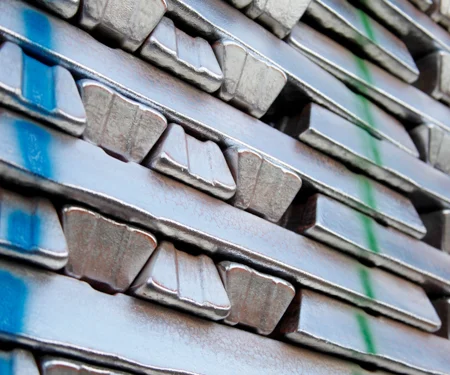
For aluminium producers, the reform couldn’t come at a better time. The metal makes up roughly 85 per cent of photovoltaic frames and mounting structures. By lowering the tax on solar and wind devices, demand for aluminium-heavy components is expected to surge.
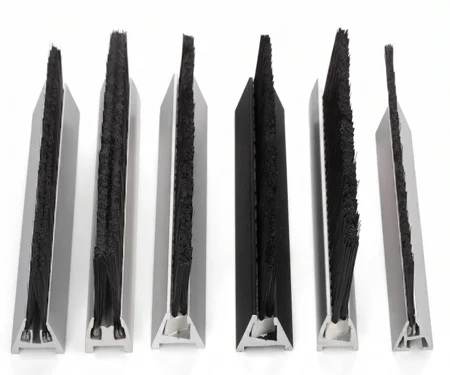
Manufacturers supplying frames, mounts, and related parts will find themselves in a stronger position, with better margins and a more level playing field against imports. For Indian aluminium companies, the reform effectively ties renewable expansion directly to their own growth prospects.
Energy costs and the recycling edge
The industry, however, still wrestles with its energy intensity. Producing a tonne of primary aluminium in India takes between 14,000 and 17,000 kWh of electricity. The average is 14,361 kWh, though producers are trying to cut it to around 12,599 kWh through efficiency upgrades. Alumina refining adds another 11 gigajoules of thermal energy. Globally, total primary energy use is about 186 GJ per tonne of aluminium, most of it from electricity used in smelting.
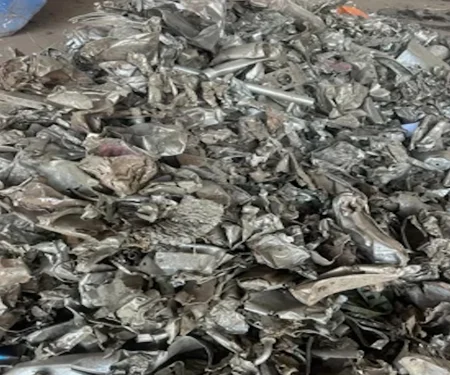
This demand explains why aluminium accounts for about 70 per cent of the sector’s emissions and 4 per cent of global power consumption. By comparison, secondary aluminium is vastly more efficient, requiring only 5 per cent of the energy needed for primary production. That advantage makes recycled aluminium increasingly attractive for solar and wind projects, especially as buyers lean toward low-carbon materials.
Benefits at the household and farm level
The cut in GST won’t just matter for big developers. For households, it means rooftop solar becomes more affordable. A standard 3 kW setup will now cost about INR 9,000–10,500 less, making adoption easier under schemes such as the PM Surya Ghar: Free Electricity Programme.
Farmers will also feel the difference. Under the PM-KUSUM scheme, a 5HP solar pump that previously cost about INR 250,000 will now be nearly INR 17,500 cheaper. With a target of one million pumps, farmers across the country could collectively save INR 17.5 billion, making irrigation both cheaper and greener.
Emissions and global commitments
Climate gains are also part of the story. Every gigawatt of solar cuts emissions by about 1.3 million tonnes per year. With deployment now expected to accelerate, India could reduce annual emissions by 50–70 million tonnes by 2030. That aligns with its commitments under the Paris Agreement and bolsters domestic programmes such as Make in India and Aatmanirbhar Bharat by boosting the competitiveness of locally manufactured equipment.
The wider impact could be enormous. India aims to add 300 GW of renewable capacity by 2030. Even a modest 2–3 per cent drop in costs could unlock up to INR 1.5 trillion in new investment. Each gigawatt of new capacity supports roughly 5,000 jobs, meaning the policy could help create between 500,000 and 700,000 direct and indirect jobs over the next decade.
The GST reform may look like a technical adjustment, but its ripple effects stretch across the economy. For households and farmers, it brings cheaper access to solar power. For utilities, it eases procurement costs. For industry, it unlocks billions in potential investment and job creation. And for aluminium, it means higher demand from renewable infrastructure and a growing market for recycled, low-carbon metal.












_md.webp)