您想继续阅读英文文章还
是切换到中文?
是切换到中文?

THINK ALUMINIUM THINK AL CIRCLE

Ajay Kapur, CEO - Aluminium & Power at Vedanta Limited, has pointed out in a recent interview that transportation accounts for the largest share of aluminium consumption at 27 per cent across the globe. The use of aluminium in the auto sector surged after the oil crisis in 1970s, triggering fuel economy and leading to the replacement of heavy steel parts with lighter aluminium substitutes. From 35kg per car in the 1970s, the use of aluminium today is 160kg on an average. He says experts project average aluminium content in a car to increase to 250kg by 2025.
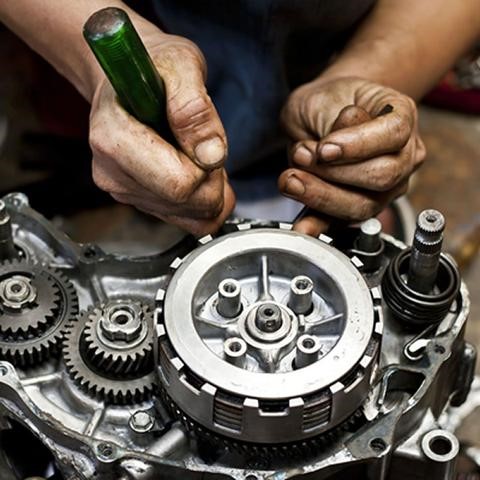
According to Kapur, the domestic Indian market has a long way to go on the road to match its global counterparts in aluminium consumption. The overall per capita aluminium consumption in India is 2.7kg versus the global average of 11kg. In the auto sector, in particular, India’s per capita aluminium consumption is 40kg compared to the global average of 160kg. So, Kapur sees a potential opportunity for an increase in aluminium demand, which comes with ‘green’ benefits like lower carbon emissions, reduced fuel consumption, and better engine performance.
Kapur also thinks that India is yet to catch up with the global trends of using aluminium in almost every component of a passenger car, starting from body structure, engine, electricals, heat transfer elements, chassis and suspension, transmission, brakes, wheels, steering, trim and interior, closures, to crash management reinforcements.
For more than a decade now, concerns about fuel efficiency have encouraged OEMs to replace steel with aluminium in vehicle bodies, doors, trunks, hoods, bumpers, crash boxes, brakes, cables, and wheels. Currently, the demand for the metal is steered by alloys.
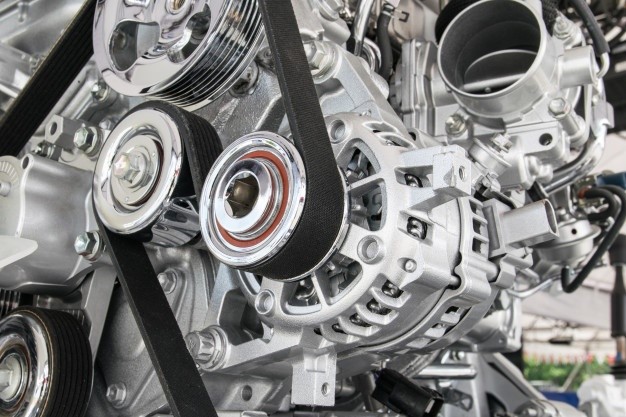
Kapur noted that there are further opportunities to increase the use of aluminium in vehicles. For instance, cylinder heads, anti-lock braking systems, and certain other applications can substitute the use of steel with suitable aluminium alloys for lightweight and fuel efficiency. Currently, there is a growing popularity for aluminium alloy wheels as the trend of using tubeless tyres.
According to Mr Kapur, aluminium is now the second-most important metal in automobiles, owing to some of its salient features like high strength-to-weight ratio, corrosion resistance, supreme formability, high ductility and conductivity, stylish finish and infinite recyclability. But among all, lightweight is the most advantageous feature of aluminium. Every kilogram of aluminium used in a car reduces the overall weight of the vehicle by one kilogram. The average car weighs about 1,300kg. If there were no commercial limitations and aluminium was used in abundance, it would weigh only 775kg.

Lastly, Kapur added that Vedanta Aluminium is attuned to the needs of customers in the auto industry. Products are created with best-in-class technology to conform to global specifications and standards. Currently, Vedanta supplies aluminium alloys in the form of ingots and cast bars to alloy wheel manufacturing units from our state-of-the-art 240KT Primary Foundry Alloy (PFA) casting facilities spread across Odisha and Chhattisgarh.
Responses