Hydro to focus on low-carbon aluminium production, aims to expand recycling

The Norwegian aluminium company Hydro stated that it would emphasis on the production of low-carbon aluminium, as well as broaden its portfolio into recycling, renewables and batteries by 2025.
Hilde Merete Aasheim, President and CEO of Hydro, said: “We have generated cash, cut costs and delivered extensive operational improvements across the company, providing a solid foundation for our growth agenda.”

“Now, we’re raising the bar, setting a new ambitious improvement target for 2025, combined with a clear strategy to make Hydro a profitable and sustainable industry leader.”
In the previous year, the company said it has focused on “keeping the wheels turning, maintaining a healthy and safe work environment,” while also working to position the company for the future. Hydro’s development program remains on track to deliver its 2020 target of $456 million, with the company adding that all business areas “over-delivered” on their cost ambitions. The development program, accompanied by a net operating capital release and reduction in Capex, has contributed to greater cash generation in 2020.
Hydro stated that the key driver of its 2020 improvement has been the revamp and boosting up of operational activities of its bauxite and alumina operations in Brazil. Alunorte is on track to supply alumina volumes at around 90% of nameplate capacity in Q4 2020.

“Our Brazilian organization has made good progress in increasing the asset integrity and robustness while maintaining focus on health and safety during the global pandemic,” said Aasheim.
Hydro commented its overall goal to reduce CO2 emissions by 30% by 2030 remains on track. Furthermore, the company said it is committed to replace fuel oil with natural gas at the Alunorte refinery and to then electrify coal boilers at Alunorte. The company adds that it has signed intentional agreements to develop solar and wind power projects to deliver renewable energy at an attractive cost.
The Norwegian company also plans to strengthen its position in low-carbon aluminium by 2025. Hydro said: “Citing London-based CRU’s forecast that aluminium demand in the vehicle sector is expected to grow by 6.2 million metric tonnes by 2030. CRU also expects demand for aluminium can stock to grow by 3 million metric tonnes by 2030. Total semis demand is expected to increase by 32 million metric tonnes by 2030, as well, according to CRU.”
Hydro has been increasing demand for low-carbon Hydro Circal and Hydro Reduxa, and demand is expected to grow further in 2021.
“The second pillar of its 2025 strategy diversifies and expands Hydro’s portfolio into recycling, renewables and batteries. Growing into these areas positions Hydro to take advantage of growth from key megatrends such as sustainability, electrification and urbanization”, the company said.
“We will grow in areas where our capabilities match the megatrends, first and foremost in recycling, renewable energy and batteries,” Aasheim said.

“Our capabilities and unique low-carbon position are enablers for growth in these areas. Our current recycling portfolio is a solid foundation for further growth, and Extruded Solutions is shaping demand through innovative solutions in combination with a strong and diversified asset base.”
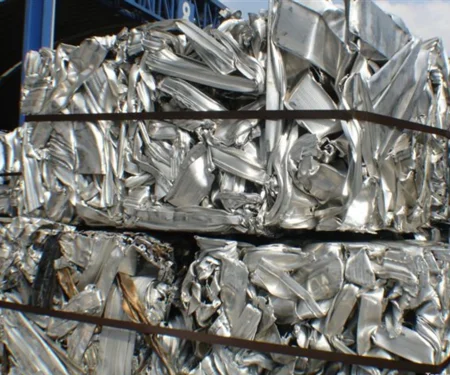
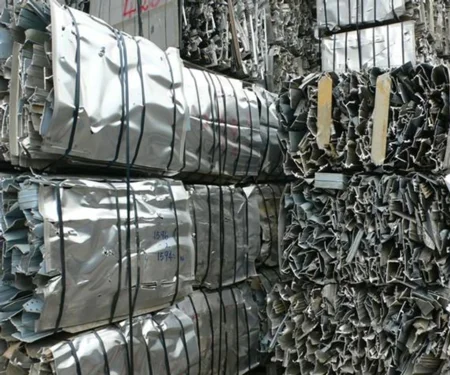
Presently, Hydro has a portfolio of 29 recyclers with an annual capacity to consume 2.6 million metric tonnes of aluminium scrap. The 2025 ambition incorporates a doubling of Hydro’s current post-consumer scrap use, which could deliver an earnings growth that ranges from $114 million to $171 million, according to the company. A strategy has been established “across the recycling value chain” within Primary Metal, Rolled Products and Extruded Solutions, the company indicates.
Vedanta hikes its aluminium ingot price by INR 1,500/t
Next articleRusal’s five more aluminium smelters recently receive ASI certification
Grow with
AL Circle