AlCircle.com
How submarine cables are connecting Africa and the world beneath the waves
Edited by : Aranya Mondal
7 min read
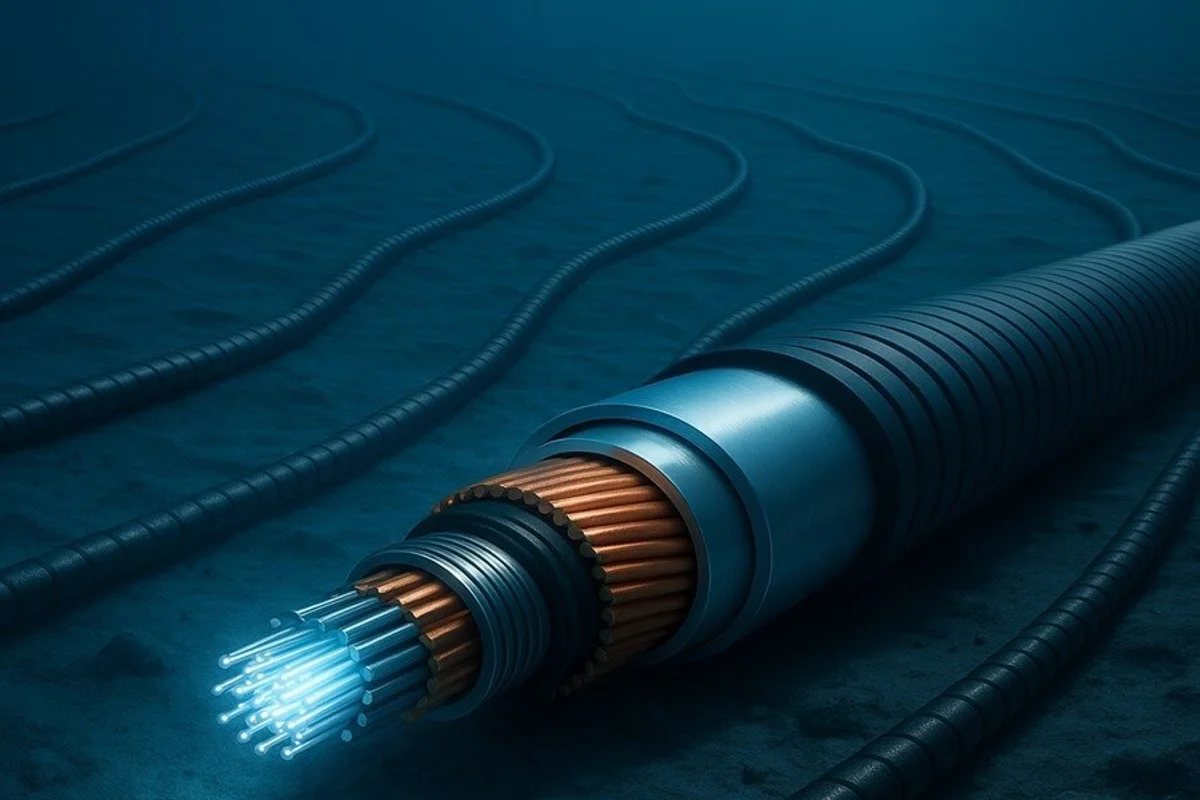
Below the ocean’s surface lies one of the world’s most important but least visible infrastructures — a vast network of fiber-optic cables stretching more than 1.48 million kilometres across the seabed as of early 2025. These undersea lines carry close to 99 per cent of all global data traffic, forming the foundation of the digital economy.
Every time someone makes a video call, sends a message, or completes an online transaction, that data races through this hidden network that silently binds continents together. Laid far beneath the waves, these cables have become the arteries of the modern world — fast, resilient, and absolutely indispensable.
The invisible road of the internet
Unlock full access – sign up for FREE.
Key benefits
Find exclusive data-driven insights and in-depth analysis
Get our daily newsletter delivered straight to your inbox
Access real-time and historical price trends from global indices
Post and respond to latest business leads
Stay ahead with alerts on learning tools
...and so much more!SIGN UP / LOGIN
Previous article
Ball Corporation celebrates 90 years of the beverage can
Next articleBall Corporation Q3: A 144-year legacy holds with victorious survival amidst 2025 trade gusts
Grow with
AL Circle