How Audi’s aluminium experiment changed the auto industry - and why Ford followed
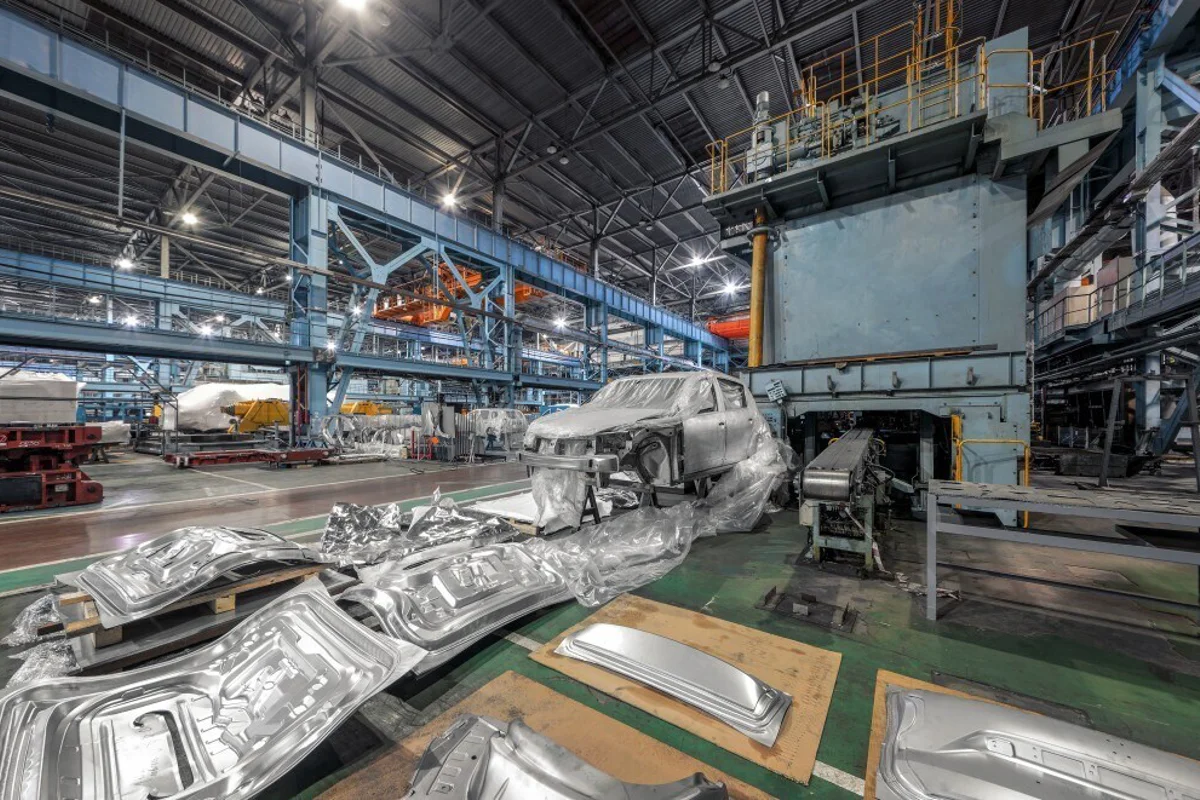
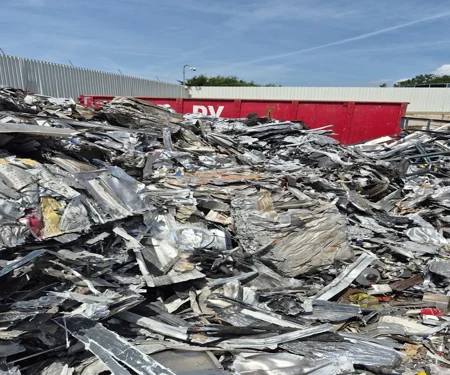
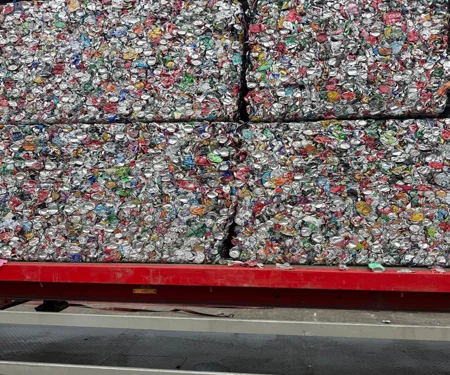
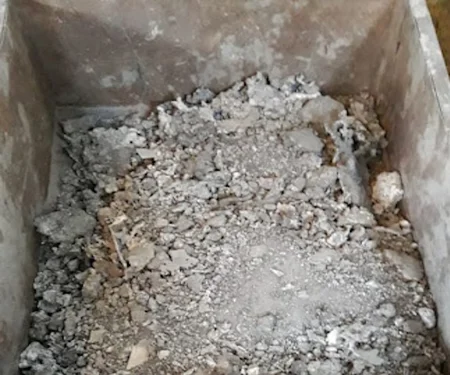
Stock image for referential purposes only
Aluminium began reshaping modern car manufacturing in the 1990s when Audi introduced an aluminium-bodied luxury sedan at a time when steel still dominated the industry.
For decades, steel had remained the standard material for vehicle bodies because it was strong, widely available and easier to manufacture at scale. But Audi started looking for alternatives after engineers found that the company’s flagship Audi V8 had become too heavy compared with competitors such as the BMW 7 Series and Mercedes-Benz S-Class.
A major reason for the added weight was Audi’s Quattro all-wheel-drive system, which increased the car’s mass by around 220 pounds. The company wanted to reduce weight without compromising comfort, safety or structural strength.
Under Ferdinand Piëch, Audi turned its attention to aluminium. The automaker had already held discussions with Aluminum Company of America, known as ALCOA, about possible aluminium applications during the 1980s.
Development of a new lightweight flagship model accelerated in 1990. Designers Chris Bird and Dirk van Braeckel worked on the final styling direction, while Audi engineers developed the Aluminium Space Frame (ASF), a structure built around aluminium rather than conventional steel.
Audi revealed the ASF concept at the Frankfurt Motor Show in 1993 before launching the production-ready Audi A8 in 1994. The sedan later arrived in the United States for the 1997 model year.
The aluminium construction quickly became one of the car’s defining features. Even with the Quattro system, the first-generation A8 weighed about 500 pounds less than a similar BMW 7 Series from the same era. The lower weight improved handling, agility and fuel efficiency, helping prove that aluminium could work in large-scale passenger vehicle production.
Explore: The most comprehensive and forward-looking industry-focused report – Global Bauxite & Alumina Market Forecast to 2036: Supply–Demand, Trade Flows & Price Outlook
Ford’s aluminium push followed years later
Audi’s success drew attention across the auto industry, including from Ford Motor Company, which started testing aluminium applications during the 1990s.
Between 1992 and 1993, Ford produced aluminium-bodied concept versions of the Ford Taurus and Mercury Sable, although neither reached mass production.
The company gradually expanded its use of the metal. In 1995, the Lincoln Town Car received an aluminium hood as part of efforts to lower overall weight.
A bigger shift came in 2003 with the launch of the Jaguar XJ, developed while Jaguar Cars was under Ford ownership. The aluminium-intensive sedan was around 400 pounds lighter than the previous model despite being larger and carrying additional features such as air suspension.
Ford later expanded aluminium use to vehicles including the Ford GT and the aluminium-bodied Ford F-150 pickup truck. To address concerns over durability, Ford used heat-treated military-grade aluminium alloy in the F-150.
The wider adoption of aluminium was driven mainly by weight reduction. Lighter vehicles can improve fuel economy, handling, towing performance and payload capacity while also reducing strain on suspension systems.
Another advantage is corrosion resistance. Unlike steel, aluminium is less vulnerable to rust, particularly in regions where vehicles are exposed to road salt and moisture during winter.
Automakers have also promoted aluminium for its recyclability, as the material can be reused repeatedly with lower energy requirements than primary production.
Before Audi’s A8 programme, aluminium was mostly limited to racing cars and prototype vehicles because of higher costs and more complex manufacturing processes. Audi’s success showed the wider industry that aluminium body structures could be commercially viable in mainstream passenger vehicles, helping accelerate broader adoption across the global automotive sector.
Explore our e-magazine ALuminium LeaderSpeak 2026 for the latest industry insights and trends.

Anheuser-Busch to distribute 1.5 million cans of emergency water to volunteer firefighters
Next articleSamsung’s aluminium-titanium hybrid frame to face off Apple’s Liquidmetal novelty
Grow with
AL Circle