Groundwater issues near Worsley bauxite mines reported – residents question South32
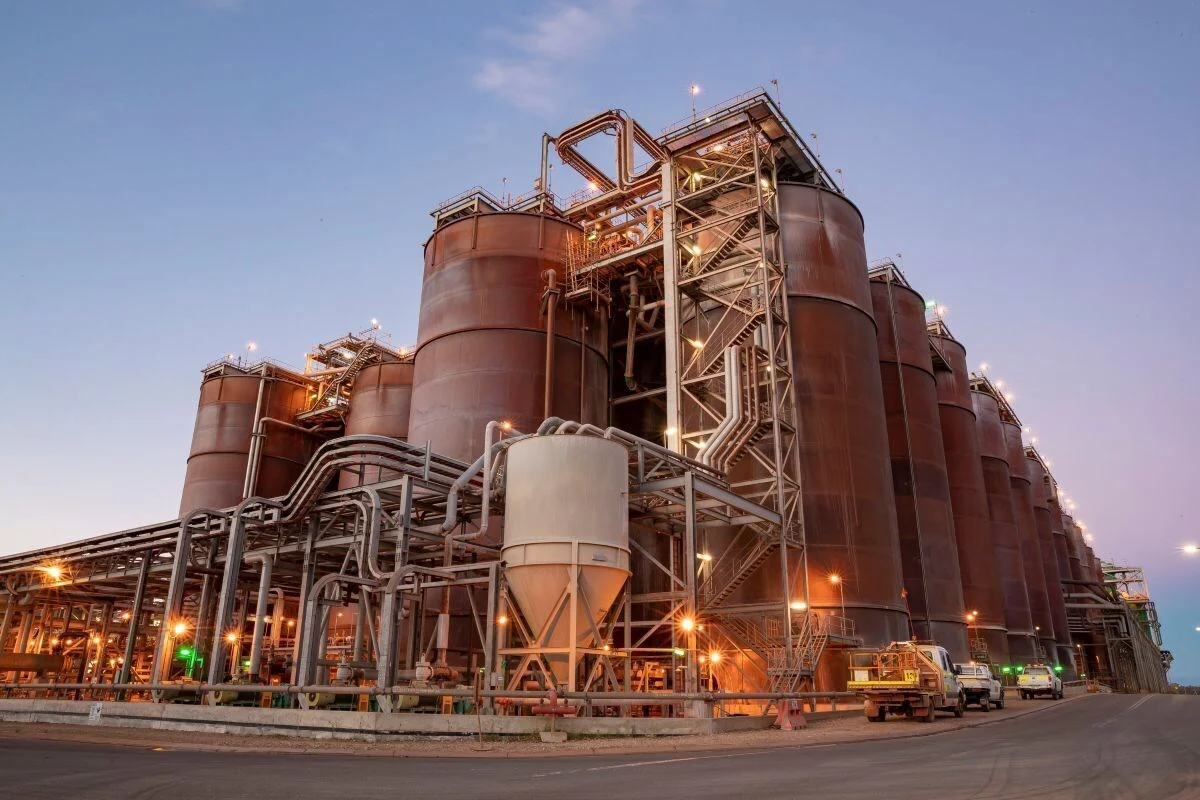
Farms near South32's Worsley bauxite mine in Western Australia reported a drastic change in their water flow and salinity levels. While some areas have dried up, others report a sudden rise in groundwater levels, resulting in waterlogging and land degradation. Some residents, including local farmer Russell Reynolds, hold South32's mining activity accountable for these hydrological problems.
Explore- Most accurate data to drive business decisions with 50+ reports across the value chain
Russell Reynolds's Complaints
Reynolds’ farming property is situated between the Mount Saddleback mining area and the Hotham River, near Boddington. In his opinion, the water in his spring-fed dam has become undrinkable due to the high salinity levels. On the other hand, a surface stream that used to replenish every winter has been dry for two years. He states, “It’s a bit disappointing, because they’ve made no effort whatsoever about controlling water flow, so we still get enough water."
Mr Reynolds blames Tunnell Road borefield, a network of major production bores, for the water troubles, as they extract water from an underground stream that flows through the Saddleback Timber Reserve and supplies water to his dams. A compliance report depicted that South32 pumped 665 thousand litres of water (avg.) per day from the Tunnell Road bores between December 2024 and June 2025. Significantly, eight trigger-level exceedances were recorded in this phase.
Response from South32
South32 commissioned a surface and groundwater assessment in 2020, which showed salinity levels with average TDS levels ranging from 163 to 1,510 mg/L in the Tunnell Road borefield. It was higher than the 1995 measure of 160–391mg/L, as reported to the Environmental Protection Authority (EPA). South32 thereafter stated that it was aware of the “matters that have been raised.”
A Soth32 spokesperson mentioned, “Worsley Alumina manages and monitors groundwater usage, quality, levels and its response in accordance with its approved Water Management Plan.”
Ann Choong’s concerns
Ann Choong, a qualified lawyer and member of the environmental group Dwellingup Discovery Forest Defenders, claims that water mounding, forest clearing and the removal of cap rock have caused the changes in concern. She noted that many farmers have already sold their properties to the mining company.
She posed an additional question, “In 20 to 40 years, the ore will be exhausted, so the question is what will remain in terms of farmland?”
South32 addresses these concerns
South32’s Water Management Plan acknowledges water mounding as a potential impact of its operations and highlights the associated risks of increased groundwater salinity and altered surface water flows due to changes in land use and landform. The plan states that these effects are interconnected and temporary, tied to the period of mining activity, and that groundwater levels generally return to conditions similar to those before mining within five to 20 years.
While South32 reiterated that it complies with its Water Management Plan in monitoring groundwater use, quality and levels, it did not respond to specific questions.
A 2020 South32 groundwater study concluded that declining rainfall, rather than bauxite mining, was the main driver of rising salinity. According to the report, mining in the Saddleback area does not appear to be contributing to salinity increases beyond those already occurring as a background response to reduced regional rainfall.
Long-term implications
As part of the conditions attached to South32’s expansion approval last year, the state government announced that there should be no adverse impacts on neighbouring groundwater users. A spokesperson for the Department of Water and Environmental Regulation (DWER) stated, “At this stage, DWER has not yet determined whether any adverse impacts have occurred.”
Must read: Key industry individuals share their thoughts on the trending topics

Guinea's increased bauxite exports to China lead to oversupply and an alumina price squeeze
Next articleBauxite-rich Guinea: national ambition under local strain
Grow with
AL Circle