Germany's industrial downturn persisted in October, with production declining further, as reported by ING. Industrial output dropped by 1 per cent month-on-month, following a steeper 2.5 per cent contraction in September. Production has fallen nearly 5 per cent compared to last year's period. This weak start to the fourth quarter heightens concerns of a potential winter recession for Europe's largest economy.
The industrial outlook remains challenging
The challenges faced by German industry over the past few years exemplify the broader struggles of the nation's economy. Caught between cyclical downturns and structural obstacles, Germany has had to confront the reality that its traditional macroeconomic model—reliant on affordable energy and accessible export markets—is no longer sustainable. As a result, nearly five years after the pandemic began, industrial production remains over 10 per cent below pre-pandemic levels.
While monthly data remains highly volatile, there are emerging signs of a clear bottoming-out trend. However, inventory levels continue to rise and have remained elevated for an unprecedented duration. This dynamic suggests that a cyclical rebound in industrial production could still take shape in the coming months, offering a potential upside surprise.
On a less optimistic note, capacity utilisation in manufacturing has dropped to its lowest point since 2020. Only the food and apparel sectors are currently operating at historical average levels. This paints a less-than-ideal picture of an industrial powerhouse. And the challenges don’t end there.
German aluminium industry
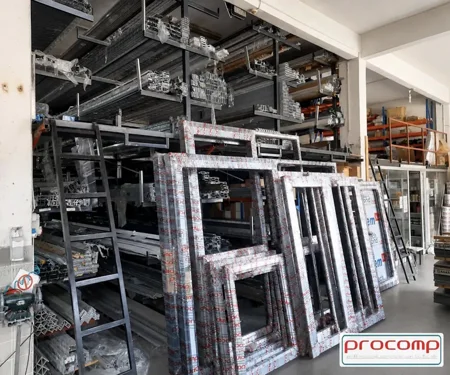
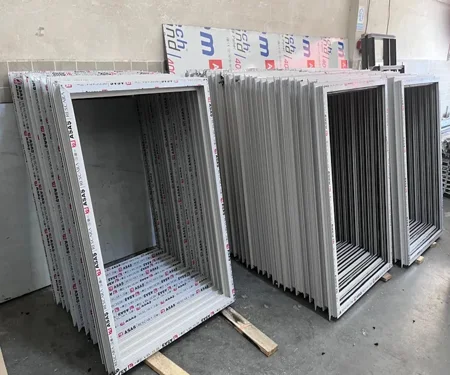
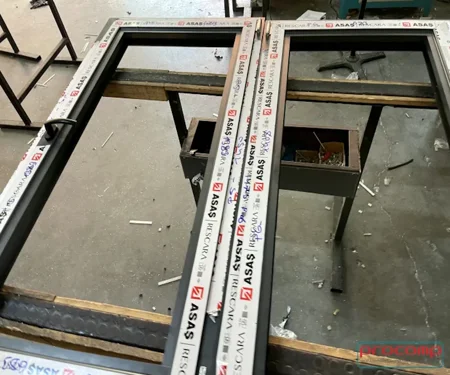
The German aluminium industry continues to face challenging conditions, with production volumes declining further in the third quarter of 2024. Notably, the production of semi-finished aluminium products marked its tenth consecutive quarterly decrease, underscoring persistent difficulties in the sector.
Rob van Gils, President of Aluminium Deutschland, emphasised, "After the federal elections, a new government must start its work as quickly as possible. Germany's competitiveness as a business location has been damaged. Energy costs and, above all, network charges, but also excessive bureaucracy, are endangering Germany as an industrial nation. The new European Commission must also urgently recognise the trade policy risks. Time is running out!"
According to a recent interview with Sergio Martinez, CEO of ALEASTUR Group, AL Circle asked, "Conversely, what opportunities should the industry focus on, particularly in areas like sustainability, digital transformation, and innovation?"
Sergio Martínez stated, "Undoubtedly, we are facing challenging times ahead, but we should focus not only on the associated risks but also on the new opportunities that would arise."
"For instance, meeting the decarbonisation targets will eventually revitalise industry efforts to optimise direct energy consumption through new technologies and innovations rather than just switching to greener energy. In that way, sustainability and competitiveness would work in tandem."
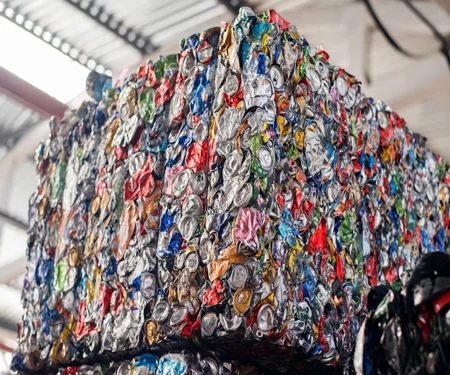
"Additionally, new collaborative approaches aimed at increasing material circularity and reducing dependency on external sources could foster new partnerships in Europe that were previously difficult to establish."
"On the other hand, the adoption of new technological disruptions and innovations will play a crucial role in the industry's future. Therefore, we must react swiftly and appropriately to all those changes."
For a comprehensive understanding of Sergio Martinez's insights on the various aspects of the European aluminium industry, please refer to the full interview here.












_md.webp)
_md.webp)
_md.webp)