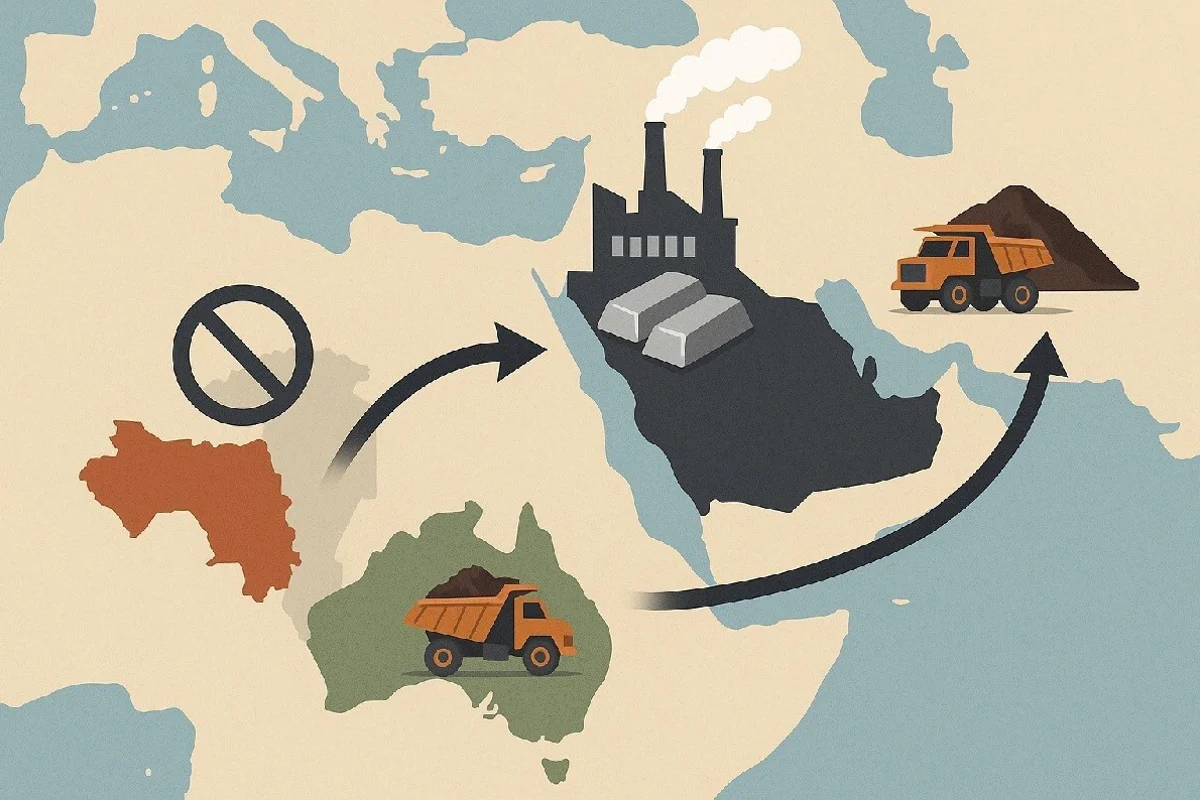
GCC aluminium output down 2.9% in first ten months as the region shifts to new bauxite suppliers post-Guinea ban
Across the Gulf, the primary aluminium and alumina sector has been moving at a noticeably different pace this year. Aluminium output across the Gulf Cooperation Council (GCC) has been edging lower through 2025, a trend that becomes clear once the latest numbers are lined up against last year’s. In the first ten months, smelters produced 5,128 thousand tonnes, compared with 5,282 thousand tonnes in the same period of 2024 — roughly a 2.9 per cent drop. Many operators sensed the shift even before the figures confirmed it, as daily output that once hovered around 17.2–17.5 thousand tonnes last year has settled closer to 16.7–17.0 thousand tonnes in 2025.
Quarterly numbers confirm it. Q1 settled at 1.52 million tonnes compared with 1.58 million tonnes last year same period, and the daily averages followed the same direction, easing back to around 16.8–17.0 thousand tonnes instead of the 17.3–17.5 range of 2024.
Unlock full access – sign up for FREE.
Key benefits
Sulphuric acid prices remain high, supporting costs, aluminium fluoride prices rise following tender guidance
Next articleHindalco Aluminium wins upgraded target from CLSA on potential earnings drive
Grow with
AL Circle