From primary metal to autos: US tariffs redraw the EU aluminium map
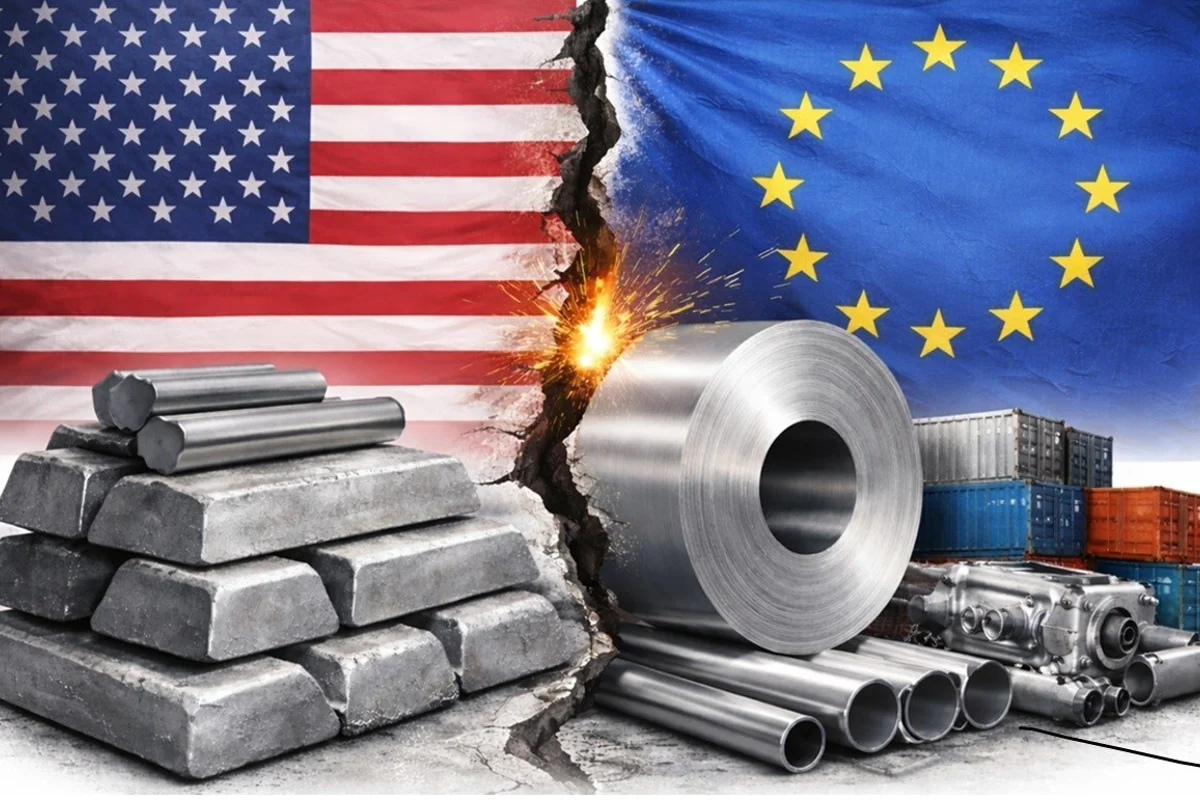
What started as another round of US trade action in 2025 quickly turned into an aluminium problem for Europe. Washington moved to curb EU aluminium shipments under Section 232, but the EU chose not to answer with aluminium tariffs of its own. That left the adjustment one-sided. As US duties rose, European producers found themselves squeezed across the aluminium chain, from primary metal to processed and aluminium-containing goods.
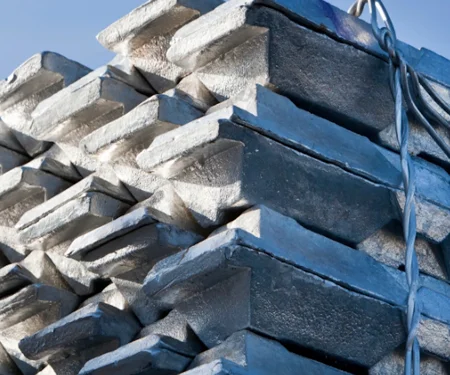
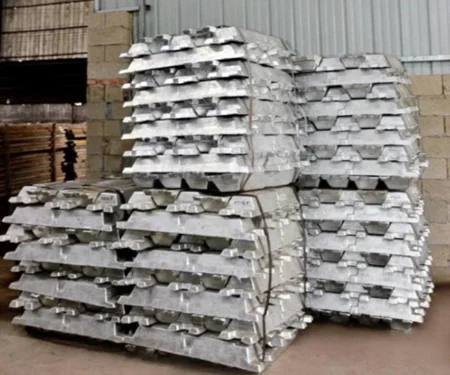
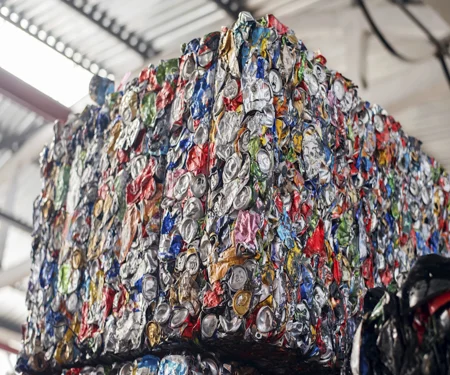
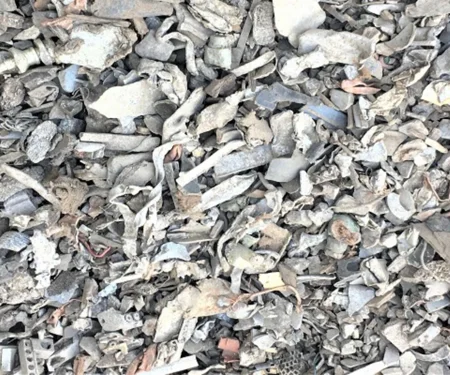
The turning point came on February 10, when the US announced a 25 per cent tariff on aluminium imports from the EU under Chapter 76 of the tariff schedule, covering unwrought primary aluminium such as ingots. The measures took effect on March 12, applying without quotas or exemptions. For European producers, the cost impact was immediate. Pressure intensified further on June 4, when the US doubled the tariff to 50 per cent, a move that effectively shut the US market for most EU primary aluminium, leaving scrap as the only category exempt from Section 232 duties.
Downstream aluminium pulled into the dispute
Unlock full access – sign up for FREE.
Key benefits
CHALCO to Yunnan Aluminum Foil – completion of capital agreement
Next articleCBAM compliance: A checklist for importers in the European aluminium market
Grow with
AL Circle