EUR 58 million REMET plant to boost aluminium recycling in Hungary
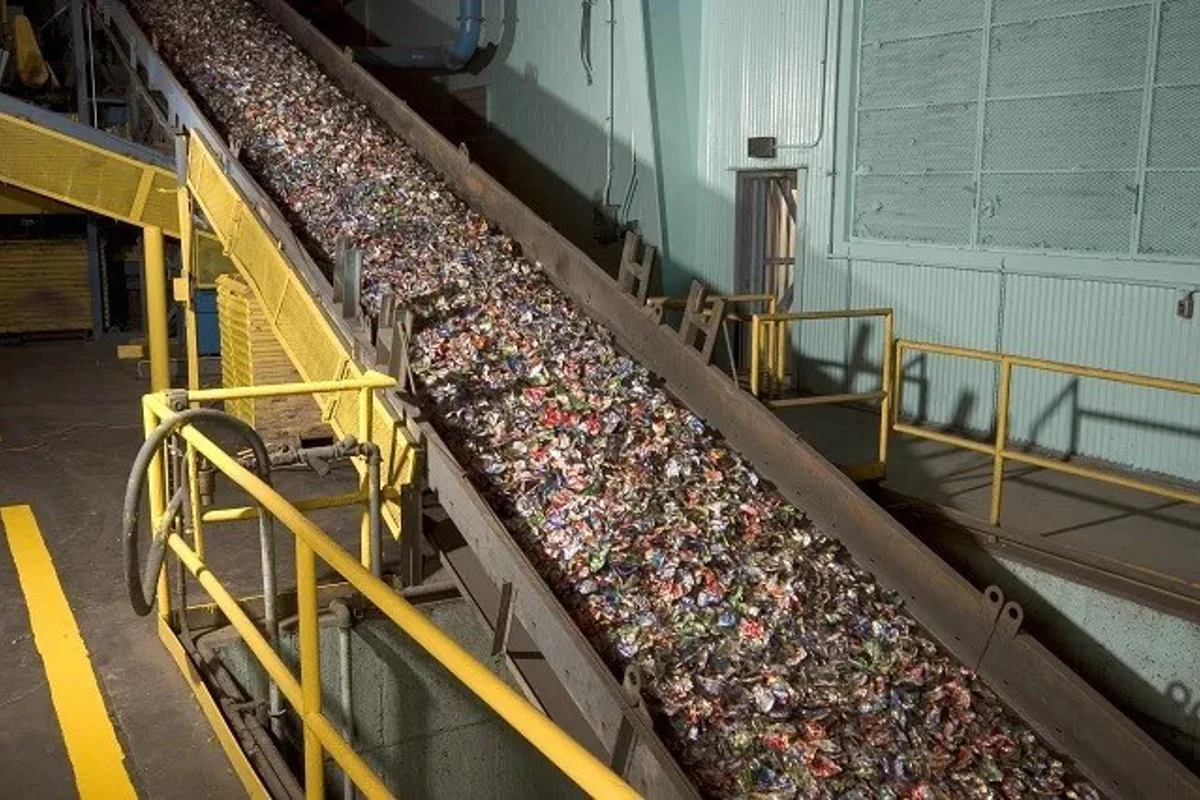
Western Hungary is going to position itself within the global industrial and political networks as it sets to host a new aluminium alloy facility. Backed by EUR 58 million ( USD 63 million) investment, the project introduces advanced US processing technology while anchoring production firmly within Central Europe.
The plant is being developed by REMET Hungary Zrt., which plans to deploy a production model that merges domestic engineering capabilities with American technological systems. After being operational, the facility is likely to become one of the most modern aluminium alloy plants in the region, while being a key contributor to the European circular economy.
The project is designed around technology transfer instead of exclusively focusing on capacity expansion. The processes being introduced grant Hungary access to industrial expertise typically confined to the world’s most advanced manufacturing economies. According to chief executive Ernő Huszár, the initiative represents an exchange of innovation across borders, rather than a conventional factory build.
Read our e-Magazine: Sustainability & Recycling: Aluminium's Dual Commitment
Environmental performance sits at the centre of the plant’s design. The recycling-based production method is expected to consume up to 20 per cent less energy than standard recycling operations, and approximately 90 per cent less energy than alumina-based primary aluminium production. With a planned throughput of 4,500 tonnes per month, the facility is intended to operate as a closed system, lowering emissions well below sector averages.
Huszár has considered aluminium’s crucial role for green transition, highlighting its vast use in areas such as renewable energy systems and electric mobility. By locating production in Hungary, the project reduces dependence on imported materials and shortens supply chains.
Don’t miss out- Buyers are looking for your products on our B2B platform
Beyond industry, the investment carries diplomatic weight. It is viewed as one of the first tangible industrial outcomes of closer cooperation between Budapest and Washington, signalling a renewed emphasis on joint initiatives in energy and technology. At the same time, REMET is strengthening links across Central Europe, reinforcing regional integration.
Construction is expected to begin within weeks and continue for 23 months. Once completed, the plant is projected to support regional raw material supply and generate hundreds of jobs, positioning REMET Hungary as an early example of an industrial model where sustainability and competitiveness move together.

Aluminium UBCs supply over 70% of can scrap globally, but metallurgy determines circularity, Innoval’s COP30 factsheet shows
Next articleADEQ moves proposed final air permit forward for Aluminum Dynamics plant in Benson
Grow with
AL Circle