EU–US talks focus on critical minerals and tariff cooperation
On the sidelines of a World Trade Organisation ministerial meeting in Yaoundé, Cameroon, on March 28, the European Union’s trade commissioner, Maroš Šefčovič, held talks with U.S. Trade Representative Jamieson Greer that he later described in notably upbeat terms. According to Šefčovič, the discussion was “very positive”, with both sides indicating a willingness to keep moving forward on shared economic priorities despite a somewhat unsettled global backdrop.
Must read: Key industry individuals share their thoughts on the trending topics
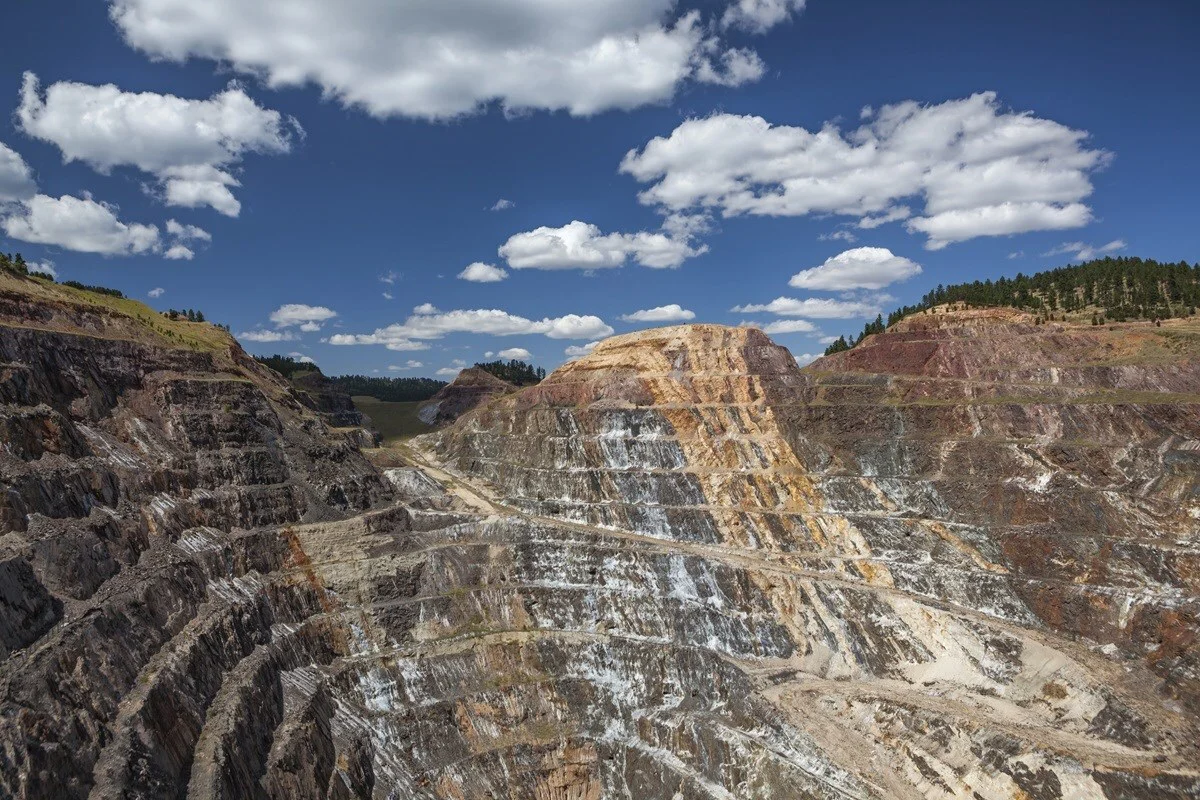
One area that received particular attention was cooperation on critical minerals.
The importance of these materials had increased across a range of sectors, including clean energy and advanced manufacturing. Both parties agreed on the scope to build on existing work.
Tariffs also featured in the conversation, reflecting their continued importance in shaping transatlantic trade.
The timing of the meeting is significant. Just days earlier, EU lawmakers had taken a step towards implementing the bloc’s side of a trade arrangement agreed with the United States last July in Turnberry, Scotland. That agreement came after months of unease, driven in part by tariff threats and the possibility of fresh import levies during Donald Trump’s presidency.
Even as the legislation progressed, however, European officials opted to include safeguards. These additions point to a degree of caution within the EU, with some concern that the United States might not fully follow through on its commitments. While not undermining the agreement itself, such measures suggest that trust, though present, is not without limits.
The deal struck between the two sides ultimately helped to avoid a more serious dispute. Washington agreed to apply a 15 per cent tariff on most EU goods - considerably lower than the rate that had initially been floated. That compromise eased tensions between the two economies, which together represent a substantial share of global trade.
For Šefčovič, both the legislative progress in Brussels and his meeting with Greer carry weight. In his view, they show that, despite wider geopolitical and economic pressures, there is still a shared intention to stick to what was agreed. It is a message aimed as much at markets as at political audiences.
The scale of EU–U.S. trade underlines why such stability matters. The United States still remains the EU’s biggest trading partner, with exports from the bloc reaching a record 637 billion USD in 2025. This figure shows how closely linked the two economies are at present.
At this time, the EU appears keen not to rely too heavily on any single partner. Šefčovič made it clear that efforts are made to expand trade relations with countries who are interested in new free trade agreements. They are also planning to reduce tariffs with the existing partners on certain terms.
In effect, the EU is trying to balance continuity with diversification—maintaining its established ties with Washington while gradually widening its global trade network.
Don’t miss out- Buyers are looking for your products on our B2B platform

India hits a record with 30 operational mineral blocks in one fiscal year
Next articleIndia pushes recycling-led strategy for critical minerals security, says Kishan Reddy
Grow with
AL Circle